
Dive Deep Into Yunnan White Tea
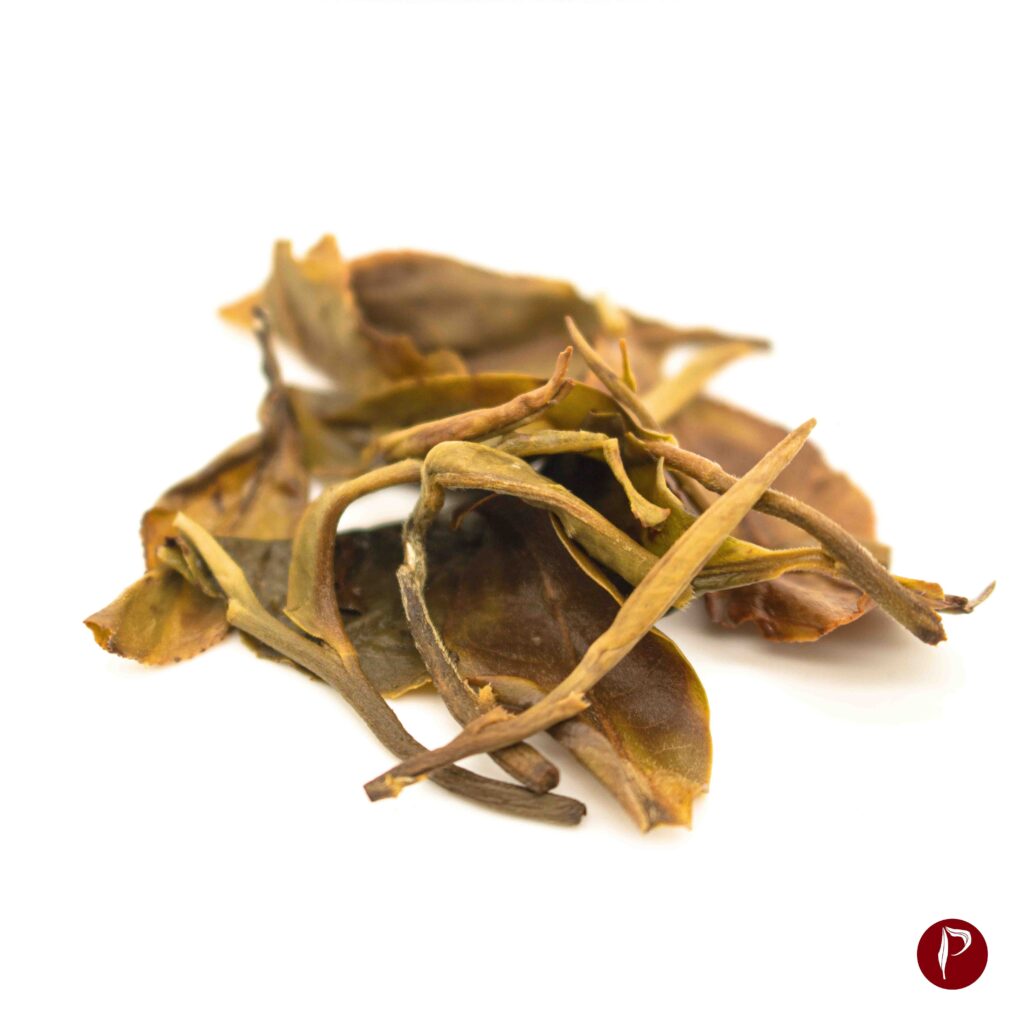
What does Yunnan white tea taste like? I found out on my first tea journey when I moved to China in 2018. I learned through my Chinese friends and visiting local tea shops that there are many wonderful white teas to be found throughout Yunnan.
Compared to Bai Hao Yin Zhen (Silver Needle) and Bai Mu Dan (White Peony), primarily from Fuding and Zhenghe, white tea from Yunnan flies under the radar in the tea world. Yunnan white tea hasn’t reached the same degree of popularity. That’s okay, some of the best things are underground. I’m looking at you modern day music industry.
A 2025 peer-reviewed study published in Food Chemistry: X helps explain the unique quality of Yunnan white tea and partially answers the question: what does Yunnan white tea taste like? This source found that aged Yunnan white tea developed “sweeter, smoother, and more balanced flavors” over time.
In this guide, we’ll explore what makes Yunnan white tea so unique—from how it’s made to the distinct flavor profiles that set it apart. Along the way, we’ll also take a closer look at how to brew white tea, insights into our very own Mist Maiden 2024 Ancient Tree White Tea, complimentary food pairings, and answer the question: what does Yunnan white tea taste like?
What is White Tea?
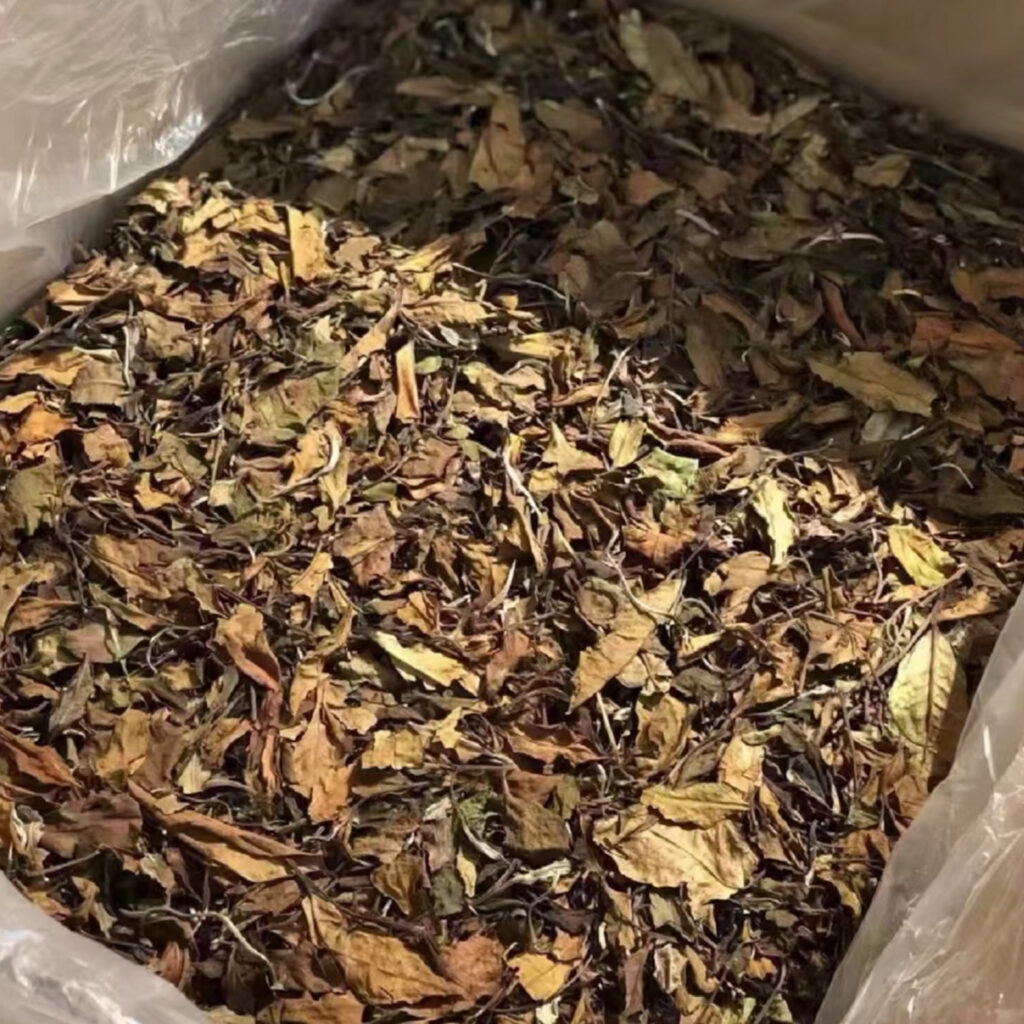
White tea is an offshoot of the tea plant camellia sinensis, the same plant used to make the 6 other types of Chinese tea. Minimal processing is used to preserve the tea leaf’s natural character. Withering and Sun-drying are the only steps used in making Yunnan White tea. Sun drying is important because many tea drinkers believe it helps the tea age more dynamically, retain aromatic complexity, and develop deeper sweetness over time.
White tea’s simple process is time consuming which can take many hours or longer depending on weather, humidity, sunlight, and desired flavor. This simple process preserves beatiful color patterns of the leaf. White tea can be silver, olive green, deep brown, charcoal, or copper tones. Let’s go back to the essential question “what does Yunnan white tea taste like?”
What does Yunnan white tea taste like?
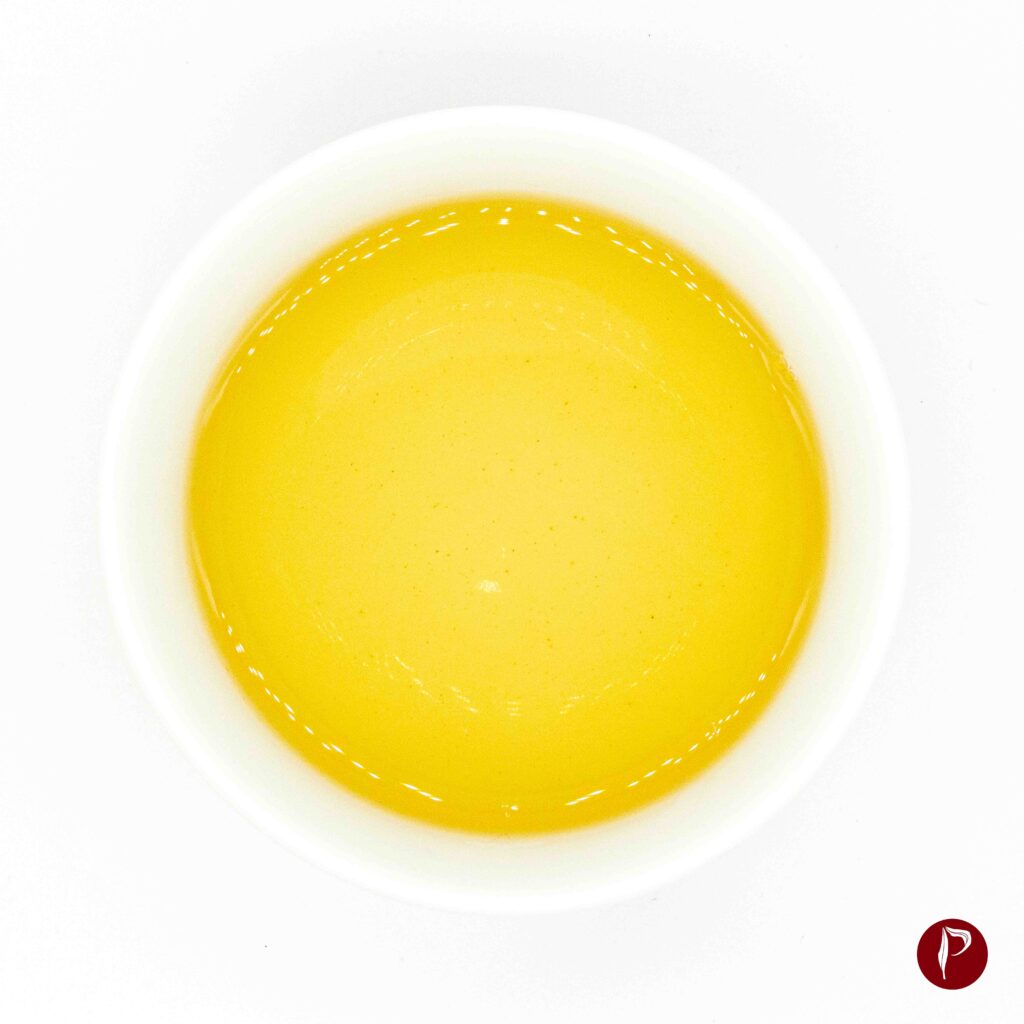
Within Yunnan I’ve discovered white teas with their own unique flavors and aromas. Some teas have a honey like corn or vegetal taste. Others have a strong roasted nuttiness while the rest are floral with honey like fruit notes, like our Mist Maiden white tea.
White tea is the lightest and gentlest out of all types and doesn’t have strong grassy notes similar to green tea or raw puerh. Within high quality ancient tree white teas, you’ll find floral, honey and fruity notes. Generally Yunnan White tea can have fresh hay, wildflowers, honey, orchard fruit, and herbal brightness. Yunnan’s most appealing feature of their white teas comes from the way white tea ages. As it ages, Yunnan white tea develops the following flavors:
- Longan
- Chinese date sweetness
- Woodiness
- Herbal depth
- Medicinal complexity
As a white tea ages, so does the texture and mouthfeel. When exploring what does Yunnan white tea taste like, young white tea feels crisp, light-bodied, and refreshing. Aged white tea develops a thicker mouthfeel, silkier texture, smoother finish, and more lingering sweetness (回甘 huí gān). The sweetness of white tea also becomes deeper and more persistent over time.
The Aging Process
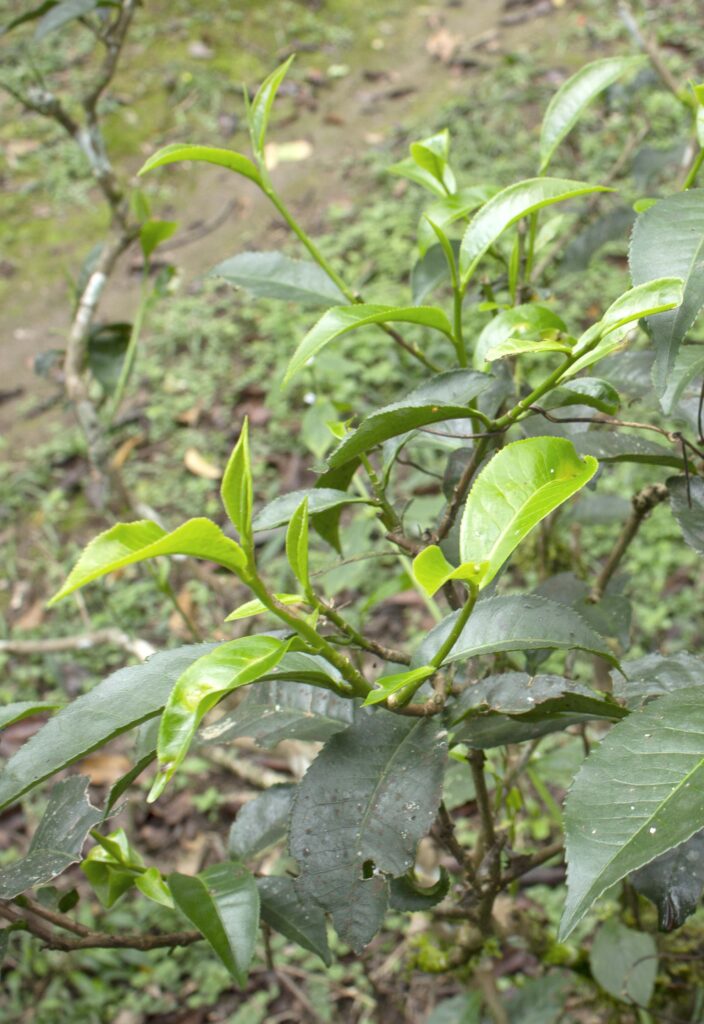
Yunnan large-leaf varietals often age differently from Fujian white teas because of:
- Larger leaves
- Higher polyphenol content
- Stronger structure
- Sun-drying traditions
This allows the tea to continue transforming over years. Yunnan white tea isn’t flat. The chemistry continues evolving, creating new aromatics and a softer, fuller profile over time.
How to Brew Yunnan White Tea
White tea from the Fujian area is delicate and easy to overbrew into bitterness or burn the leaves. When learning what does Yunnan white tea taste like, one major difference is that it’s better to use less than boiling temperature on Fujian white tea, while it’s acceptable to use boiling water with most Yunnan white teas.
When brewing compressed white tea, the tea needs a full 20 seconds to wake up the leaves. We’ve found 6 grams of white tea is best for 150 ml and will steep up to 20 times. You can adjust the leaf amount depending on your vessel. Be sure to appreciate the aroma from time to time, as aroma is an important part of understanding what does Yunnan white tea taste like.
Our favorite white teas
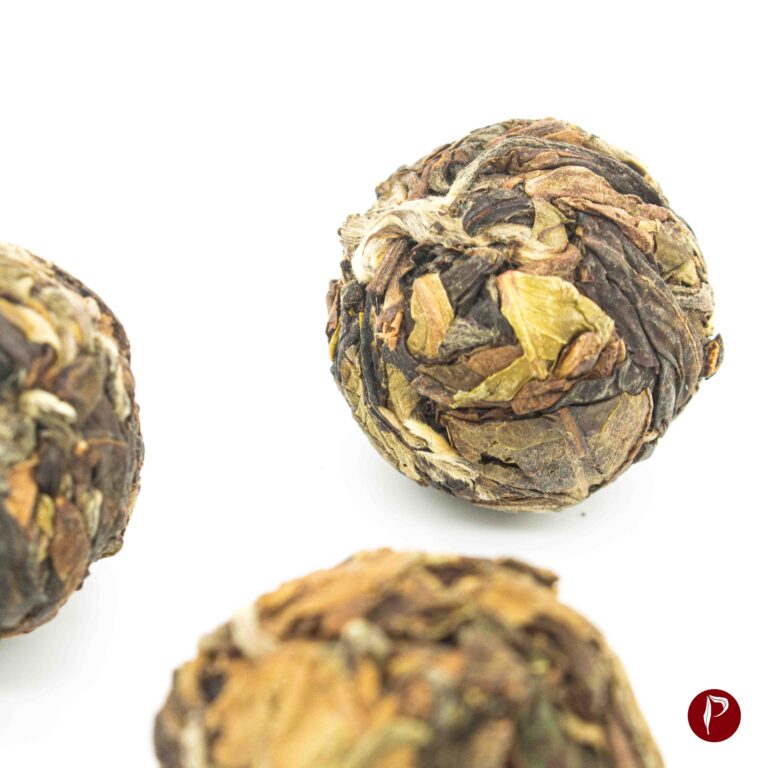
Jingmai Yunnan 2024 hand-rolled dragon ball– offers an alluring fragrance of orchids, honey, and fresh fruits, making every sip a sensory adventure. The tea is naturally sweet, with a smooth and velvety texture. Layers of floral and fruity notes unfold with each infusion, providing a deep and satisfying experience. It develops even more complexity over time, becoming richer and sweeter as it ages.
Bai Mu Dan– Sits between delicacy and richness. It still carries the fresh brightness associated with classic white tea, but the added leaf material gives it more sweetness and complexity than Silver Needle.
Gong Mei– Tends to feel more grounded and sweet than Bai Mu Dan. The flavor moves away from bright florals and toward deeper sugar and fruit tones.
Shou Mei– Often has the strongest aging transformation. Over time it can become dark, syrupy, and highly complex.
White Tea and Food Pairings
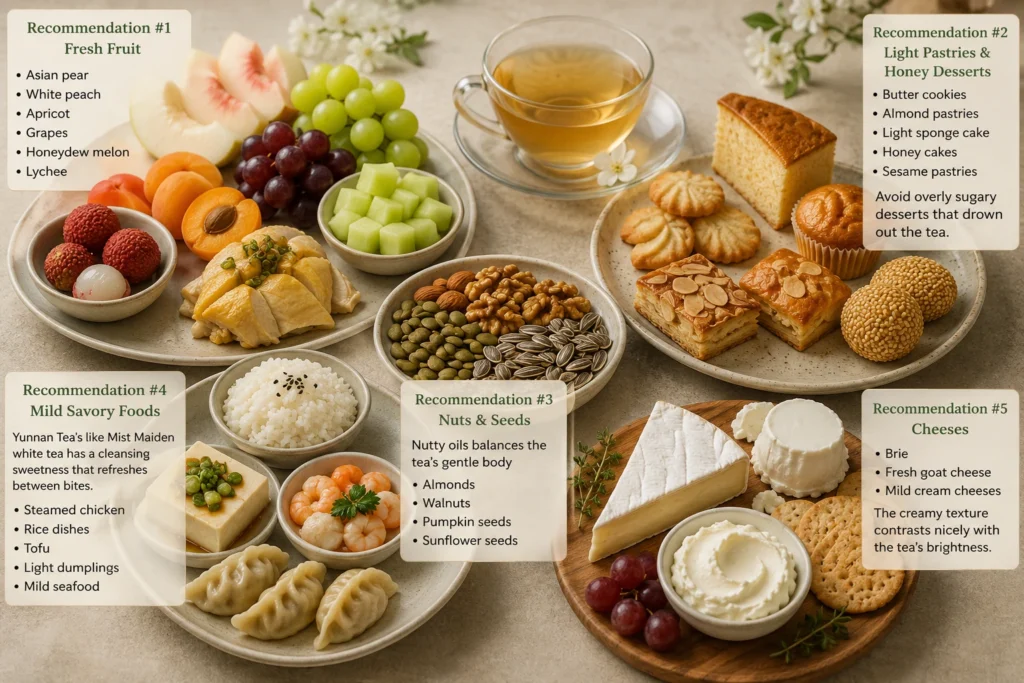
Tea’s like our 2024 Yunnan Jingmai white tea dragon ball is still relatively young, so it will usually have brighter aromatics, fresher florals, lively sweetness, and more noticeable freshness compared to aged white tea. When exploring what does Yunnan white tea taste like, these youthful characteristics are an important part of the experience. Because of that, it pairs best with foods that complement its clean, honeyed, and fruity character rather than heavy or greasy dishes.
Recommendation #1: Fresh Fruit
Fruits that echo the tea’s orchid aroma, juicy sweetness, and refreshing honey finish include:
- Asian pear
- White peach
- Apricot
- Grapes
- Honeydew melon
- Lychee
Recommendation #2: Light Pastries & Honey Desserts
Avoid overly sugary desserts that drown out the tea.
- Butter cookies
- Almond pastries
- Light sponge cake
- Honey cakes
- Sesame pastries
Recommendation #3: Nuts & Seeds
Nutty oils balances the tea’s gentle body
- Almonds
- Walnuts
- Pumpkin seeds
- Sunflower seeds
Recommendation #4: Mild Savory Foods
Yunnan Teas have a cleansing sweetness that refreshes between bites.
- Steamed chicken
- Rice dishes
- Tofu
- Light dumplings
- Mild seafood
Recommendation #5: Modern Takes
The creamy texture contrasts nicely with the tea’s brightness.
- Brie
- Fresh goat cheese
- Mild cream cheeses
Conclusion
There you have it, everything you need to begin your journey into white tea. Relax, enjoy the experience, and don’t let its compressed and delicate nature intimidate you. With just a few simple techniques, you may discover a tea that becomes part of your daily ritual and a new favorite in your collection.
To purchase a bag of our prized Jingmai Yunnan white tea click here.
To learn more about tea balls and how to brew them click here.
To learn more about white tea click here.
About Us
Table of Contents
Toggle