

Aged Ripe Puerh Flavor Profile
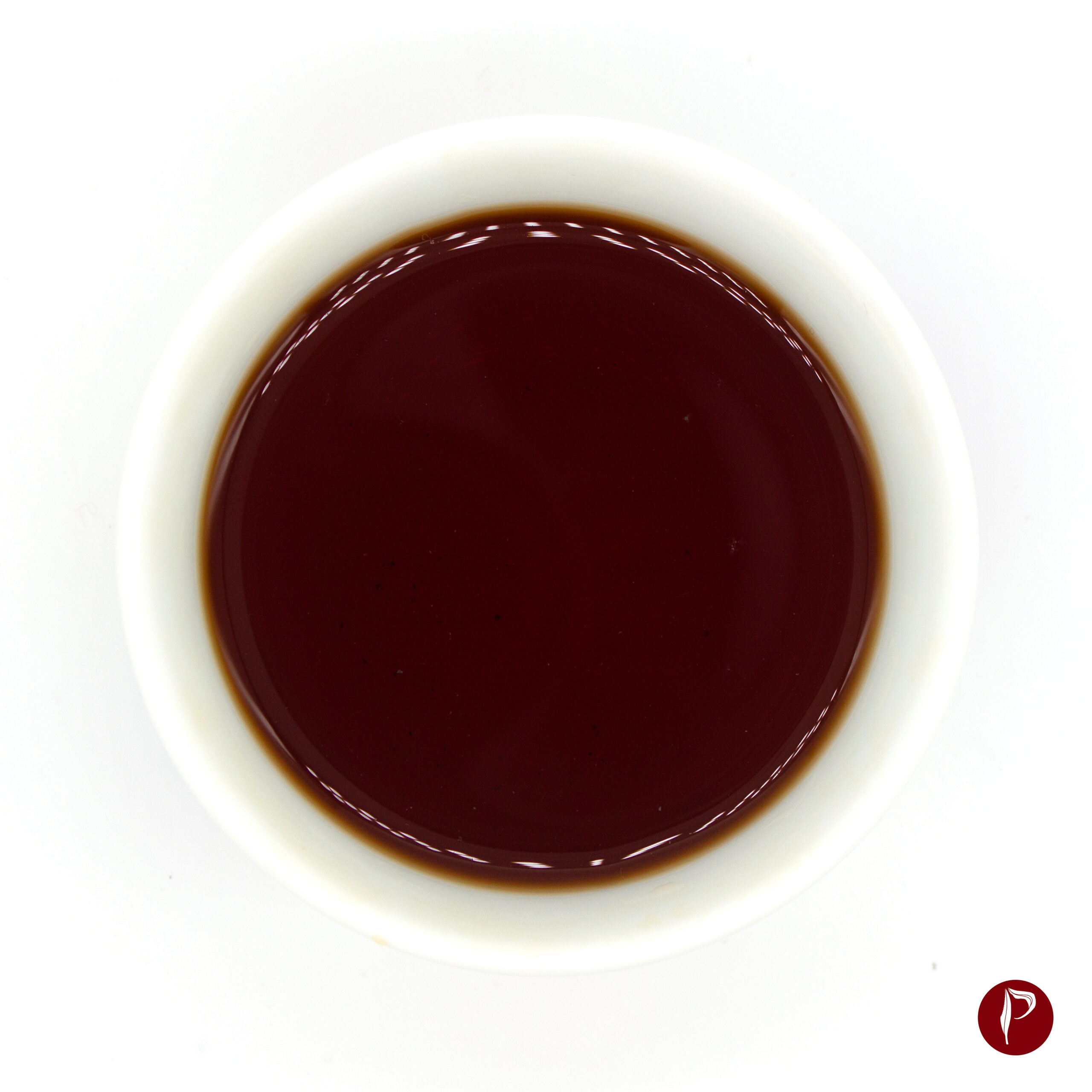
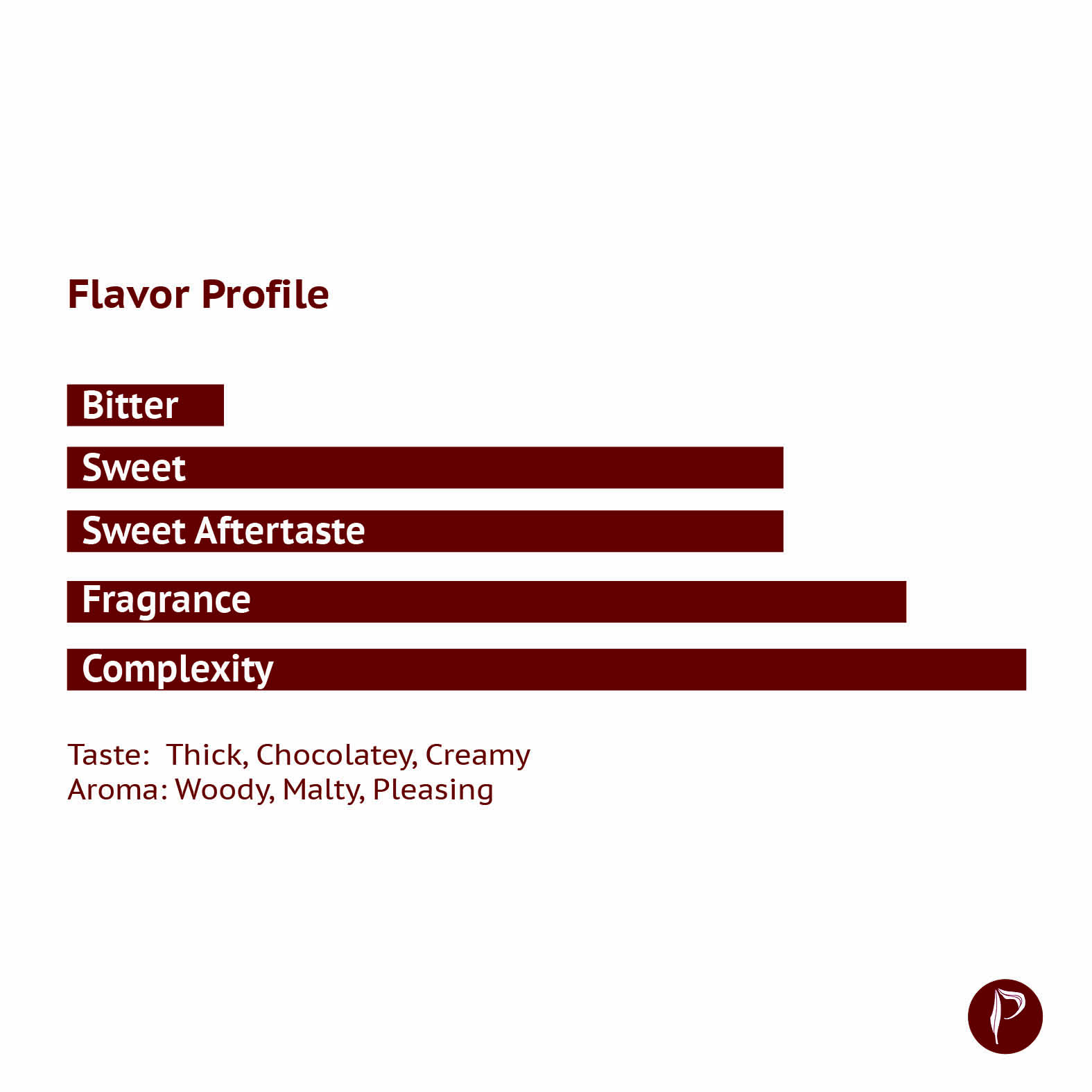
Thick, creamy, and smooth, this ripe puerh develops deep chocolate and woody notes with a mellow, rounded body. Earthy aromatics are lifted by subtle floral tones, finishing with gentle sweetness and low bitterness.
Princess Qi Tea Leaf Characteristics
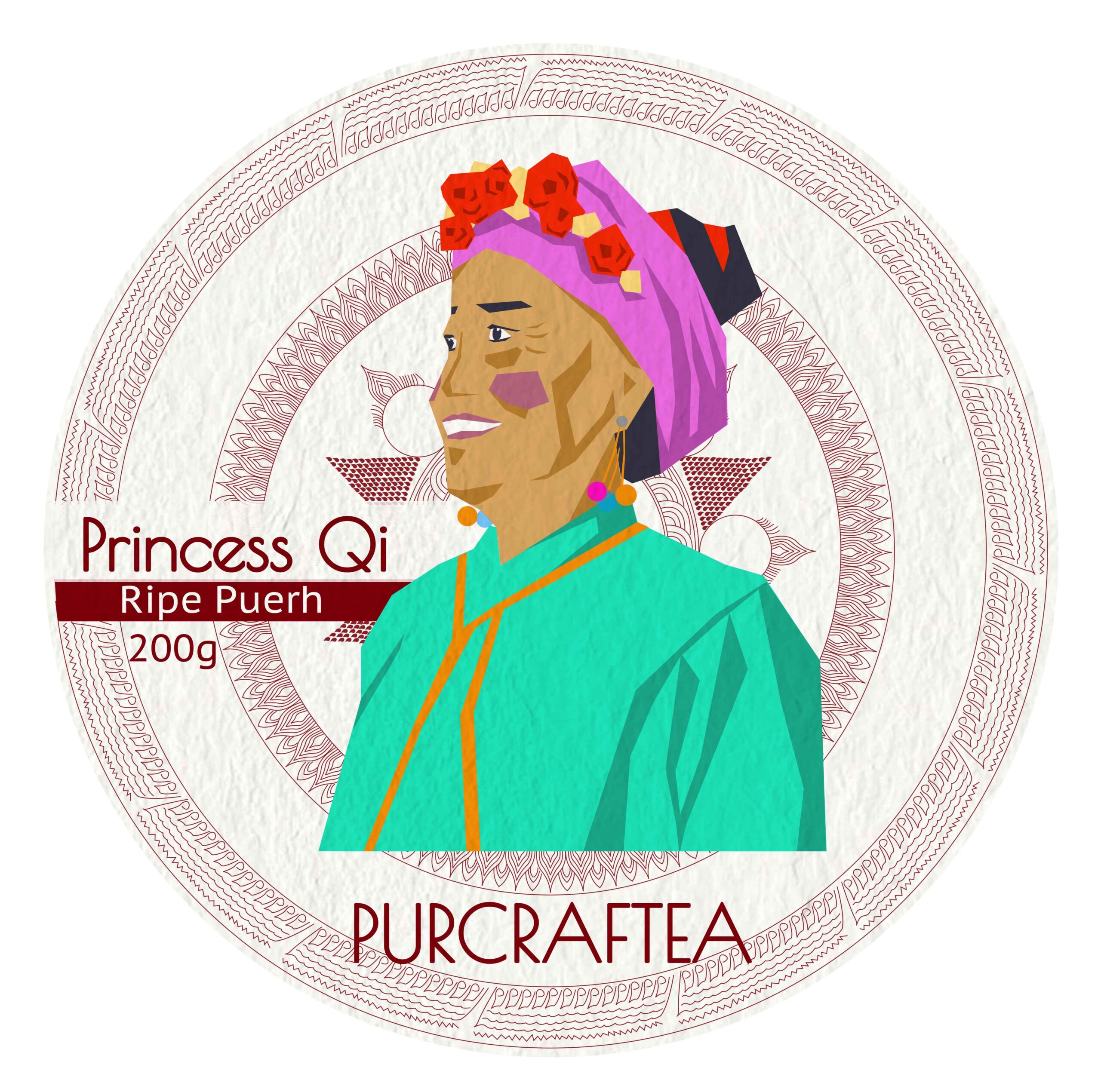
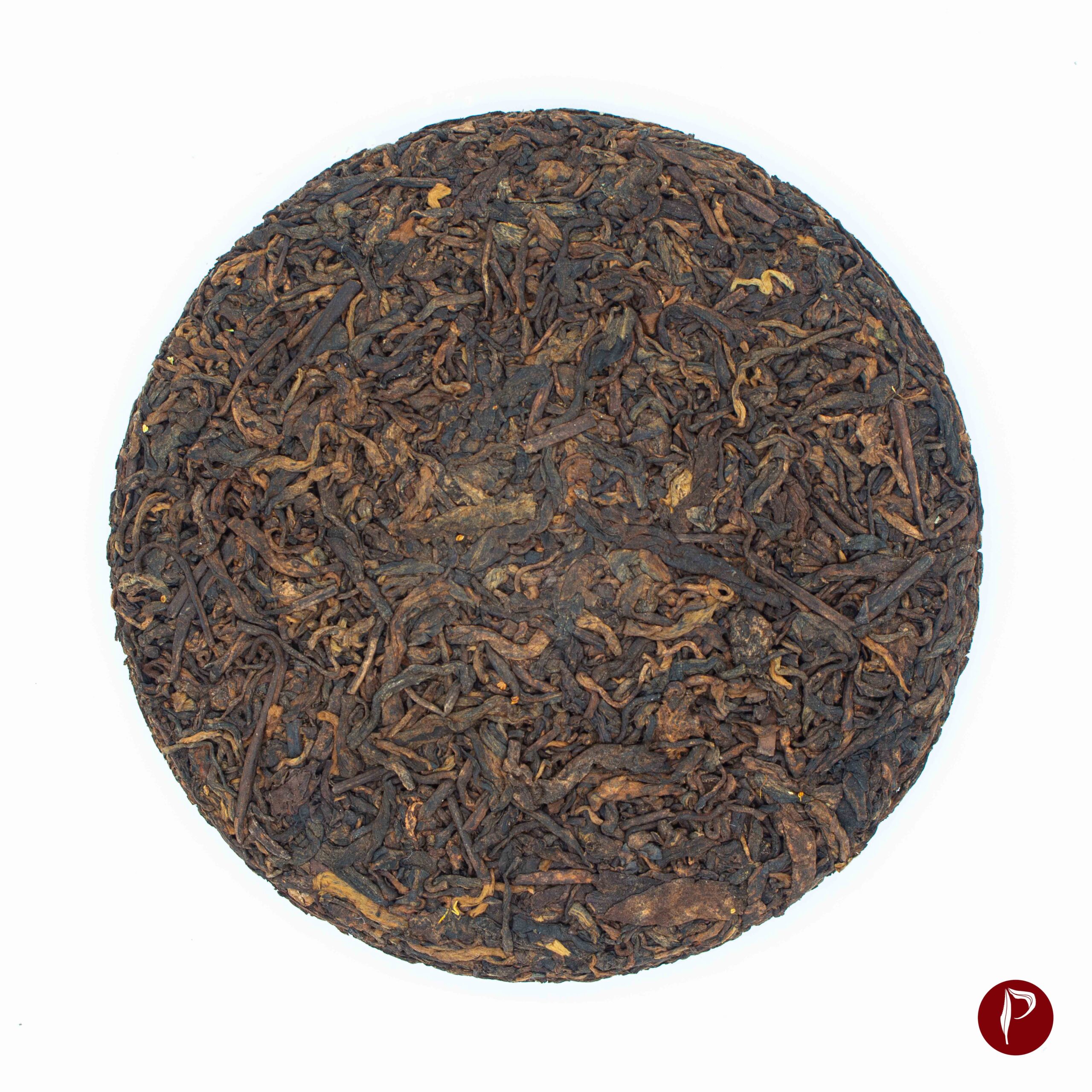
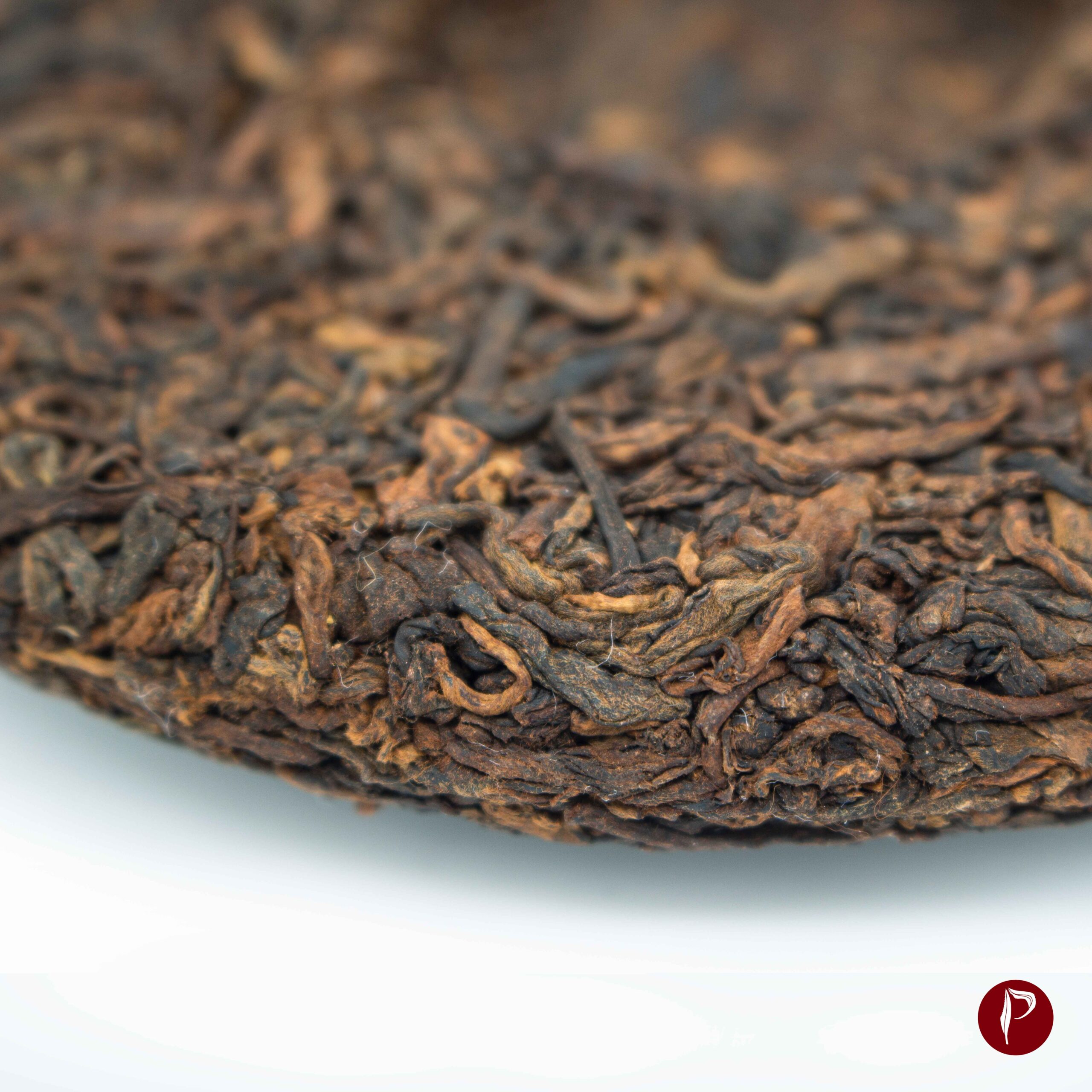
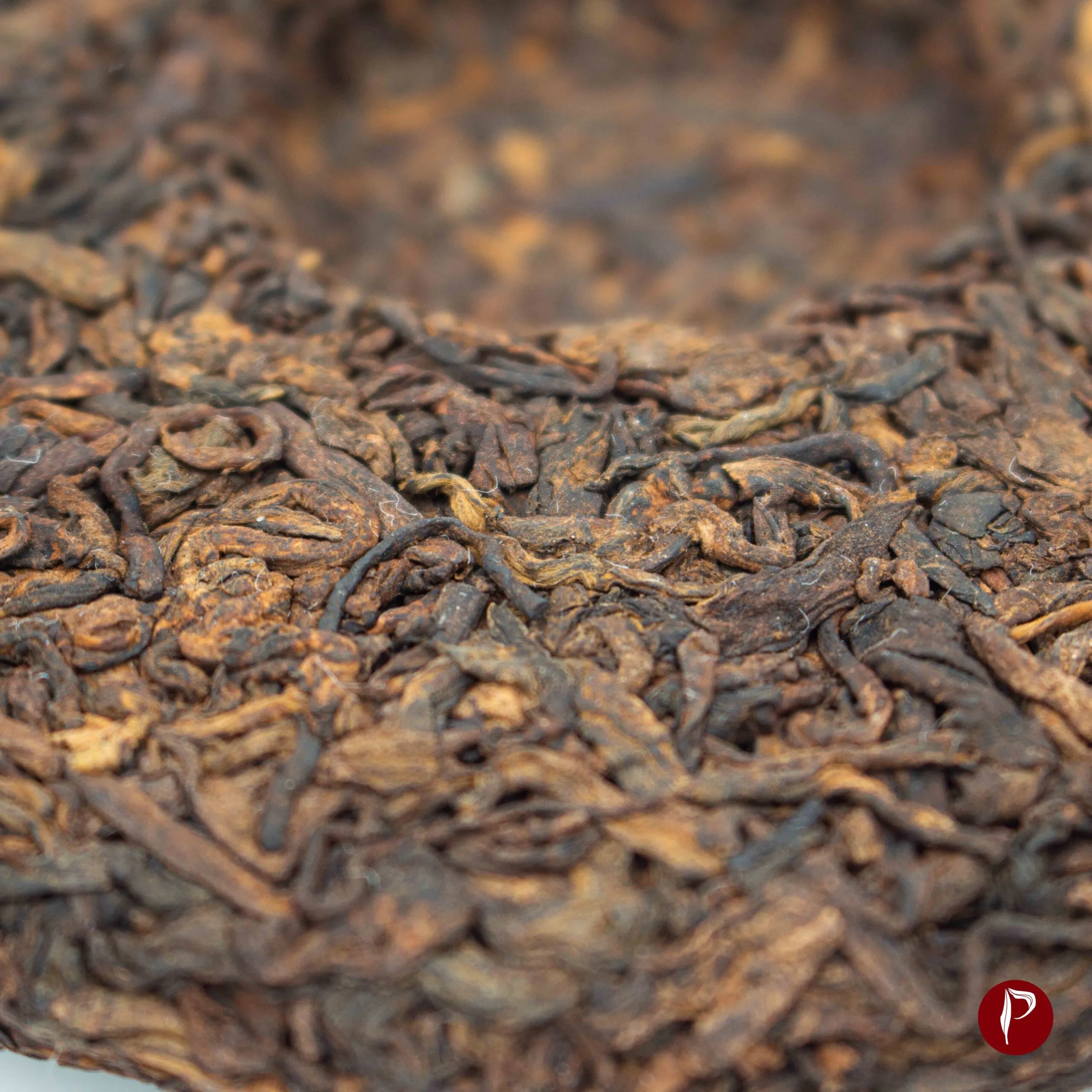
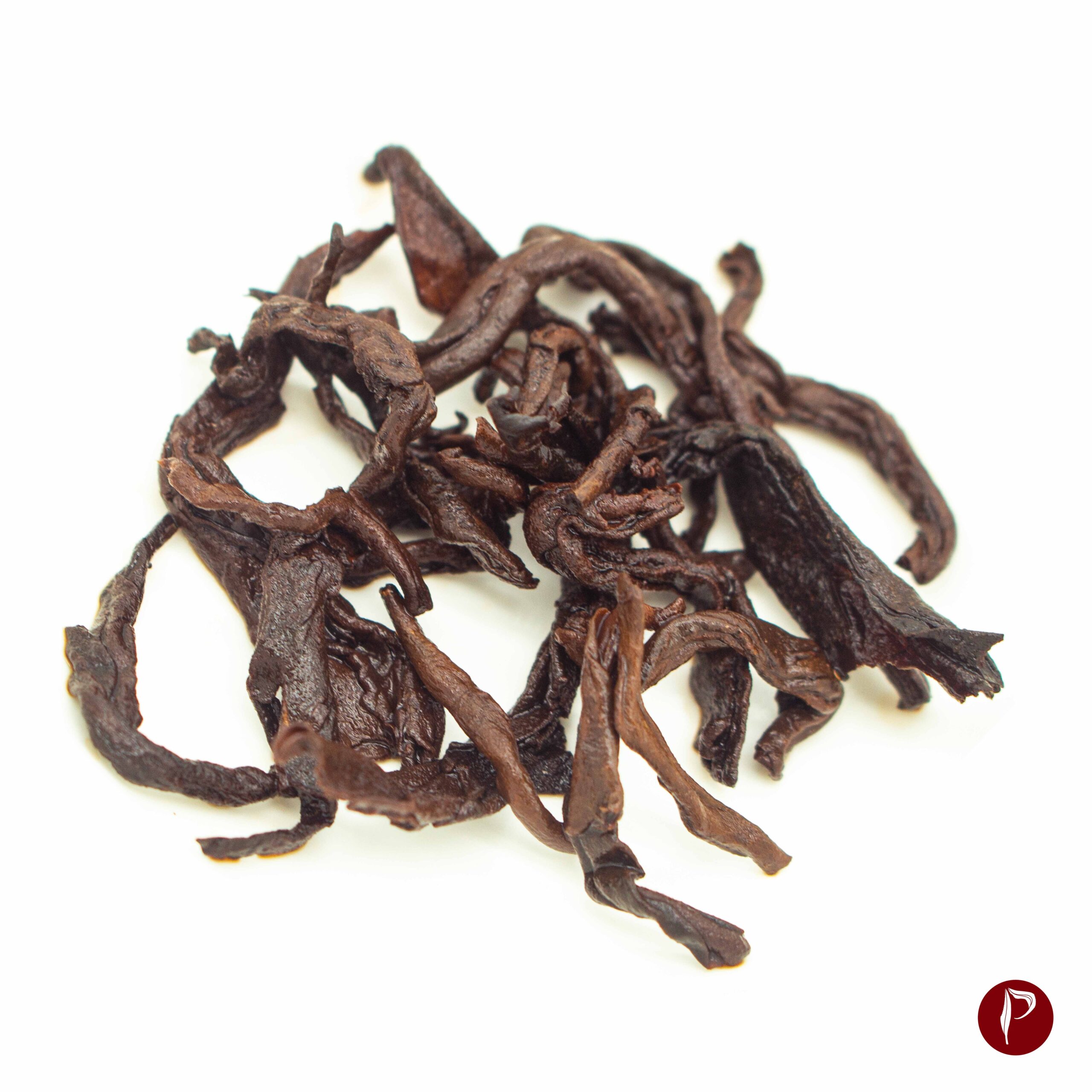
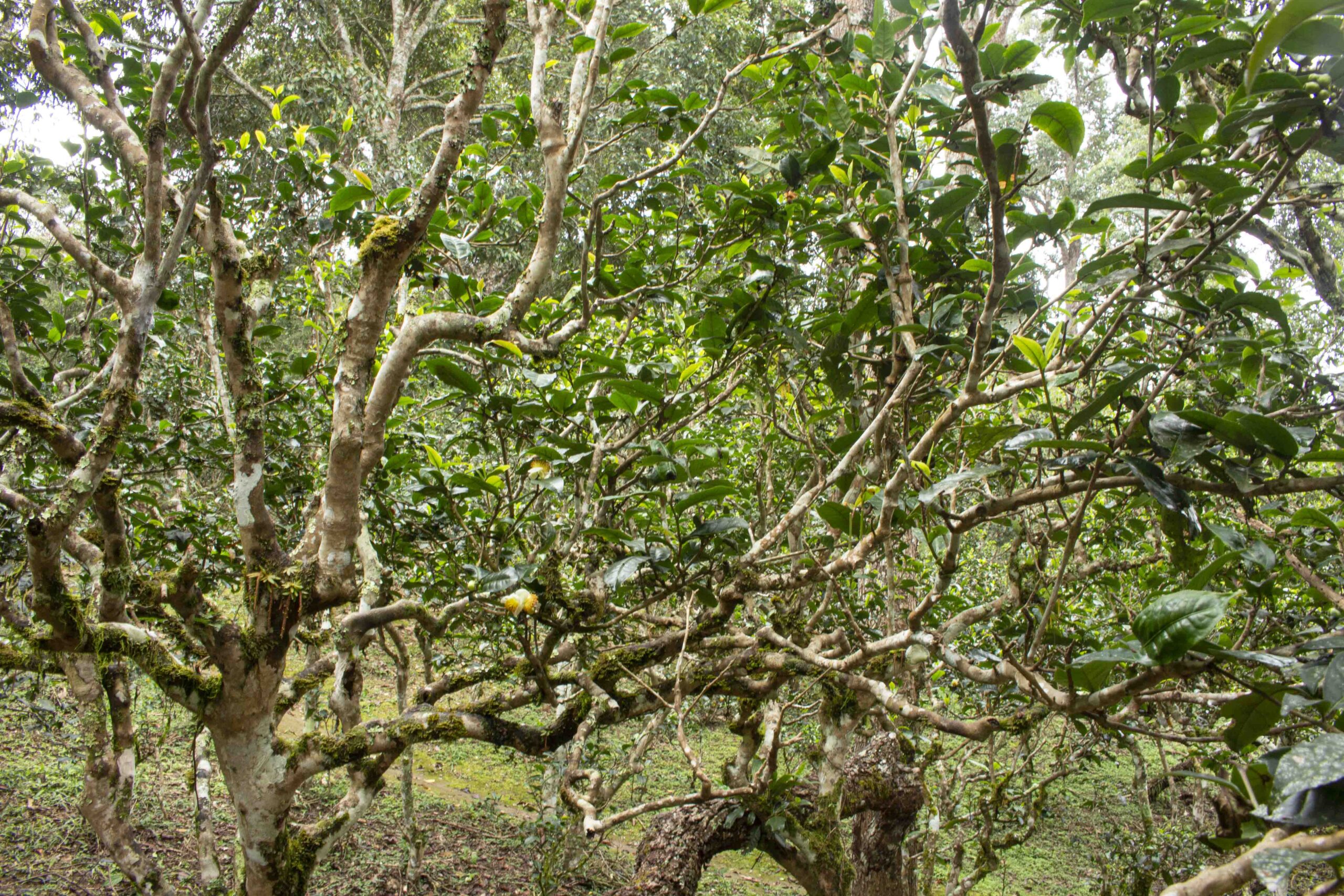
Spring-harvest leaves from 300+ year-old ancient arbor trees form the foundation of this 2012 cake. Fermentation naturally compacts and darkens the leaves while preserving structure within the cake.
Over a decade of aging (20212) has deepened its profile, creating a smoother, more layered cup with lasting infusion potential.
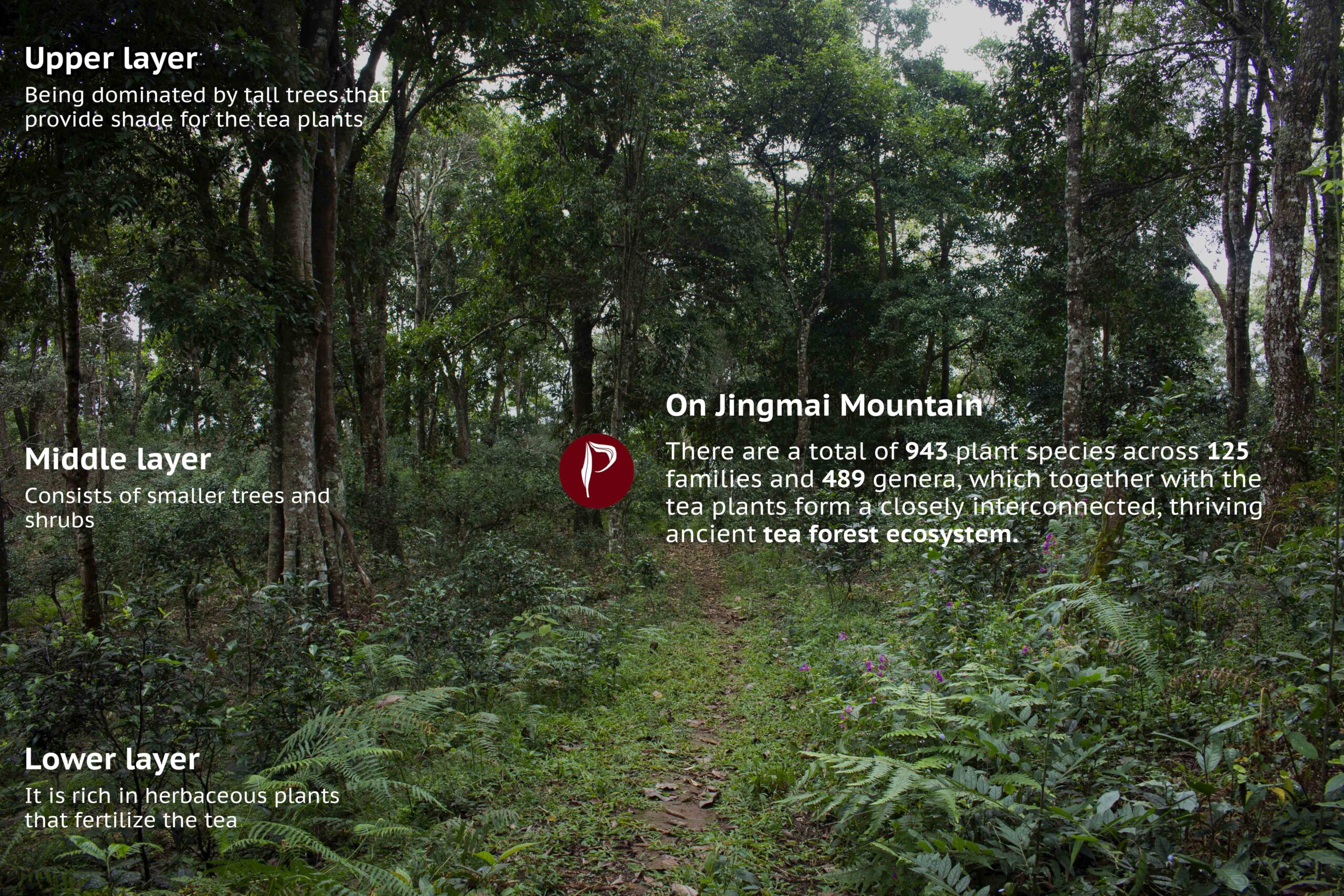
Location on Jingmai Mountain
Produced from ancient trees growing near the peak of Jingmai Mountain (5,249 ft). High elevation, forest biodiversity, and slow leaf development contribute to the tea’s depth, structure, and refined aromatics.
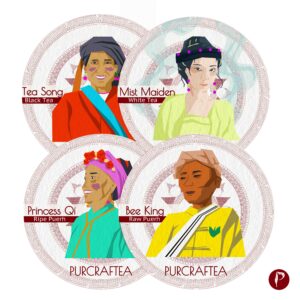
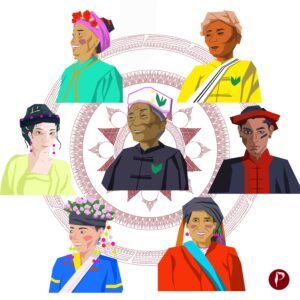
Blang Ethnic Group
The Blang people have cultivated tea on Jingmai Mountain for over 1,400 years. Their traditional bamboo basket fermentation techniques shape the earthy smoothness characteristic of ripe puerh.
Stone-Pressed Cake
Compressed using the traditional stone method, this cake allows for steady airflow and continued maturation. Properly stored, ripe puerh can continue to evolve gracefully over time, like a fine wine.


Kevin –
I thoroughly enjoyed this shou puerh. I brewed it 7 grams per 100 ml in my gaiwan and then tried brewing in my Jianshui pot, both times were splendid. The Jianshui pot really brought out some of the floral notes hidden in the smooth chocolate thick brew. Packaging was great and left the tea protected on its journey!
Tom Corson-Knowles –
This tea is amazing! I loved getting to talk to the owners and learning about their teas, and trying them made me realize there’s a whole other level of tea to be enjoyed.