
Gongfu Tea Ceremony: The Complete Step-by-Step Guide
1. Introduction
The Gongfu Tea Ceremony (Kung Fu Tea Ceremony) is one of the most elegant traditions in Chinese tea culture. More than simply brewing tea, Gongfu tea is a mindful practice that combines precision, aesthetics, hospitality, and centuries of tradition.
Originating in southern China—especially Fujian and Guangdong Provinces—the Gongfu tea ceremony is designed to reveal the full aroma, flavor, and character of premium loose-leaf tea through multiple short infusions.
Whether you’re new to Chinese tea or looking to improve your tea skills, this guide explains everything you need to know about performing a traditional Gongfu Tea Ceremony.
2.What Is Gongfu Tea Ceremony?
“Gongfu” (工夫) means skill, effort, and mastery. Rather than referring to martial arts, the word describes the time and precision devoted to brewing tea correctly.
The Chinese Gongfu tea ceremony is unlike Western tea preparation, Gongfu tea ceremony uses:
- Small brewing vessels
- Higher leaf-to-water ratios
- Multiple short infusions
- Careful attention to aroma, temperature, and timing
The result is a tea experience that evolves with every brew.
3.History and Cultural Significance of Gongfu Tea Ceremony
The Gongfu Tea Ceremony has a rich history that spans several centuries. The term “Gongfu” (工夫) literally means “skill” or “effort,” highlighting the precision, dedication, and artistry required to brew tea properly. The ceremony likely evolved during the Song (960–1279) and Ming (1368–1644) dynasties in southern China, regions famous for high-quality tea such as Oolong and Puerh.
3.1 Historical Roots
- Gongfu tea emerged as a way to fully appreciate the complexity of premium loose-leaf teas, moving beyond the simple boiled tea that was common in northern China.
- Tea masters developed meticulous techniques for steeping, serving, and tasting, creating a ritual that balances flavor, aroma, and aesthetics.
- During the Qing dynasty, Gongfu tea became popular in social and ceremonial settings, reinforcing its cultural prestige.
3.2 Spiritual and Cultural Significance
- Mindfulness and Presence: Each step of Gongfu tea requires focus, allowing participants to cultivate patience and awareness.
- Harmony and Connection: The ceremony is a social art, emphasizing sharing and respect for others through tea.
- Aesthetic Appreciation: From the delicate design of tea cups to the graceful movements of pouring, Gongfu tea elevates ordinary tea drinking into an art form.
- Balance of Effort and Simplicity: The ceremony demonstrates the philosophy of “skillful effort” — precision is key, but the ultimate goal is a natural, harmonious taste experience.
By understanding its history and deeper meaning, Gongfu tea becomes more than just a beverage — it becomes a bridge connecting culture, art, and mindfulness.
4.Gongfu Tea Ceremony Equipment
Before beginning a Gongfu Tea Ceremony, it is important to prepare the appropriate tea ware and accessories. A Gongfu tea setup can be as simple or as elaborate as you like, depending on the tea host’s style, the guests, and the purpose of the tea session. While the essential tools are enough for everyday brewing, additional accessories can elevate both the functionality and aesthetics of the ceremony.
4.1 Essential Gongfu Tea Ceremony Equipment
Tea Leaves
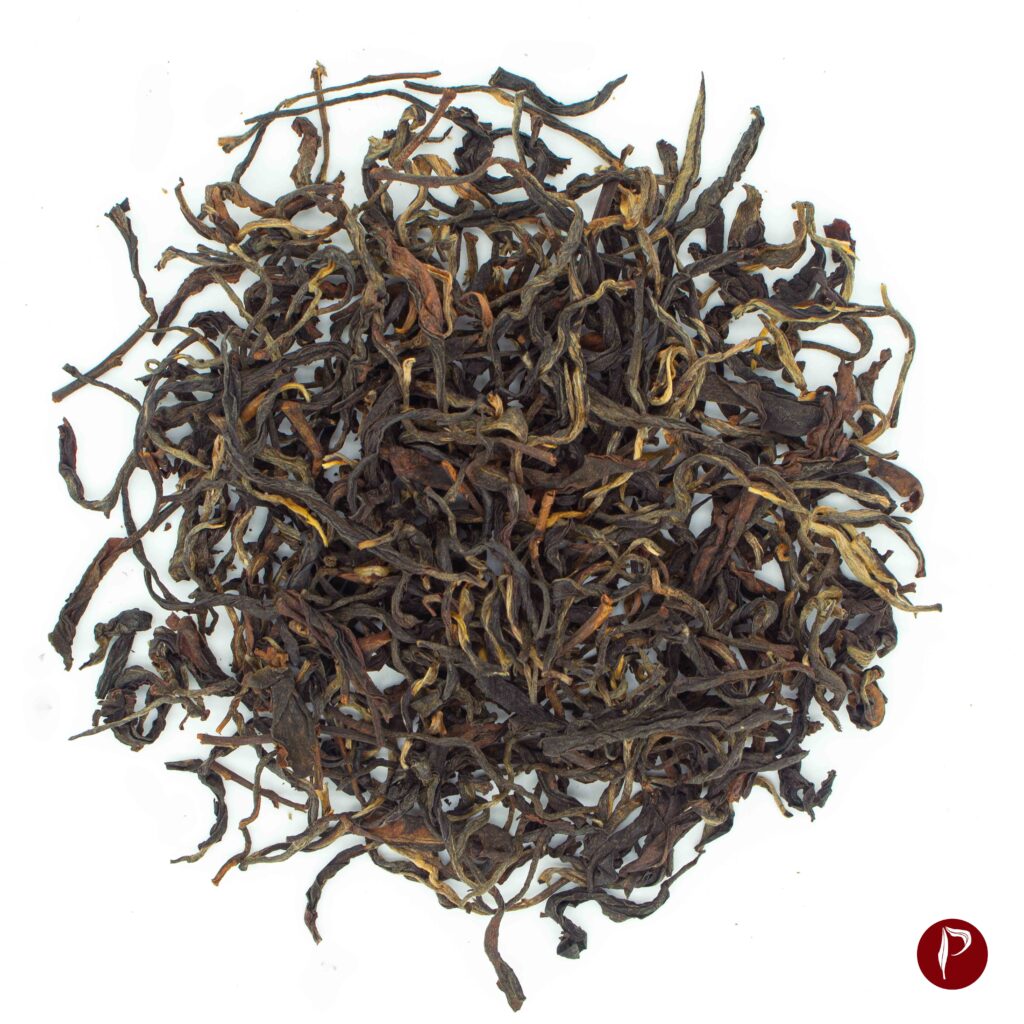
High-quality loose-leaf tea is the foundation of every Gongfu Tea Ceremony. Select the tea according to the preferences of the host and guests. Generally, 6–8 grams (0.2–0.3 oz) of tea is used for each brewing vessel. For longer tea sessions or larger groups, you may prepare several different teas to create a richer tasting experience.
Gaiwan or Teapot
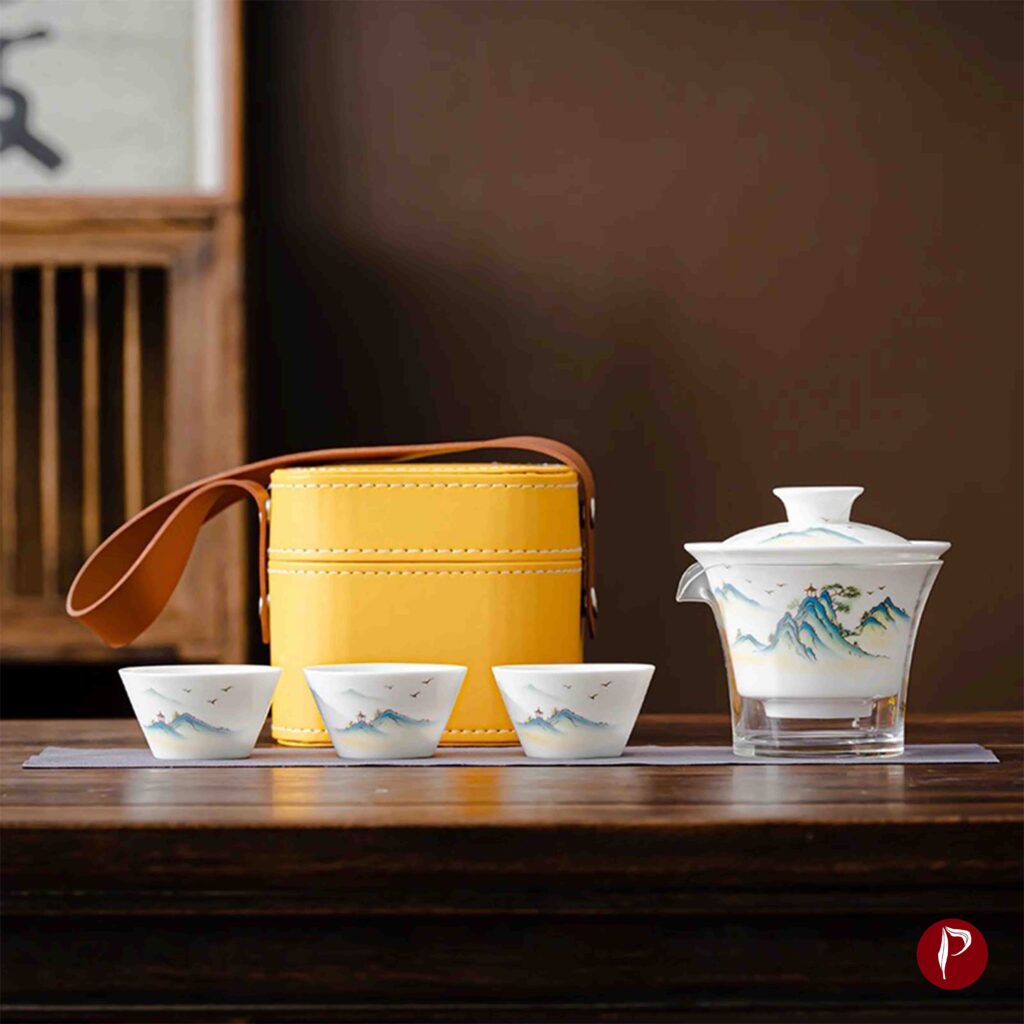
A gaiwan (lidded bowl) is the traditional brewing vessel for Gongfu tea ceremony. It allows for excellent control over the brewing process, making it ideal for multiple short infusions. Because the leaves remain visible throughout the session, a gaiwan is particularly suitable for lightly oxidized teas, such as raw Puerh (Sheng Puerh) and white tea, where observing the leaf expansion and appreciating the aroma are part of the experience.
A small teapot, especially a Yixing clay teapot, is another popular choice. Yixing teapots are highly valued in Gongfu tea culture and are best suited for more heavily fermented or oxidized teas, such as ripe Puerh (Shou Puerh) and Liu Bao tea.
Many tea hosts prepare both a gaiwan and one or more teapots, allowing different teas to be brewed during the same tea session.
Fairness Cup (Gong Dao Bei)
After each infusion, the tea is poured into a fairness cup (Gong Dao Bei) before being served. This ensures that every guest receives tea with the same strength, flavor, and aroma, reflecting the Gongfu Tea Ceremony’s values of fairness and respect.
Tea Cups
Small tea cups encourage guests to enjoy the tea slowly, appreciating its aroma, texture, and evolving flavor.
Prepare enough cups for every guest attending the gongfu tea ceremony. If the session includes comparative tea tasting, it is recommended to provide two or more cups per guest so different teas or infusions can be sampled side by side.
Tea Tray or Tea Bowl
A tea tray collects excess water and spilled tea, keeping the tea table clean throughout the ceremony.
Alternatively, a tea bowl placed beneath the gaiwan or teapot catches overflow while also allowing the surrounding hot water to gently warm the brewing vessel, helping maintain a stable brewing temperature.
Kettle or Hot Water Source
Fresh, clean water heated to the appropriate temperature is essential for proper tea extraction.
In most Gongfu Tea Ceremonies, freshly boiled water is preferred. Water that is too cool may not fully extract the tea’s flavor, aroma, and body, especially when brewing oolong, Pu-erh, or dark teas.
Tea Pet (Cha Chong)
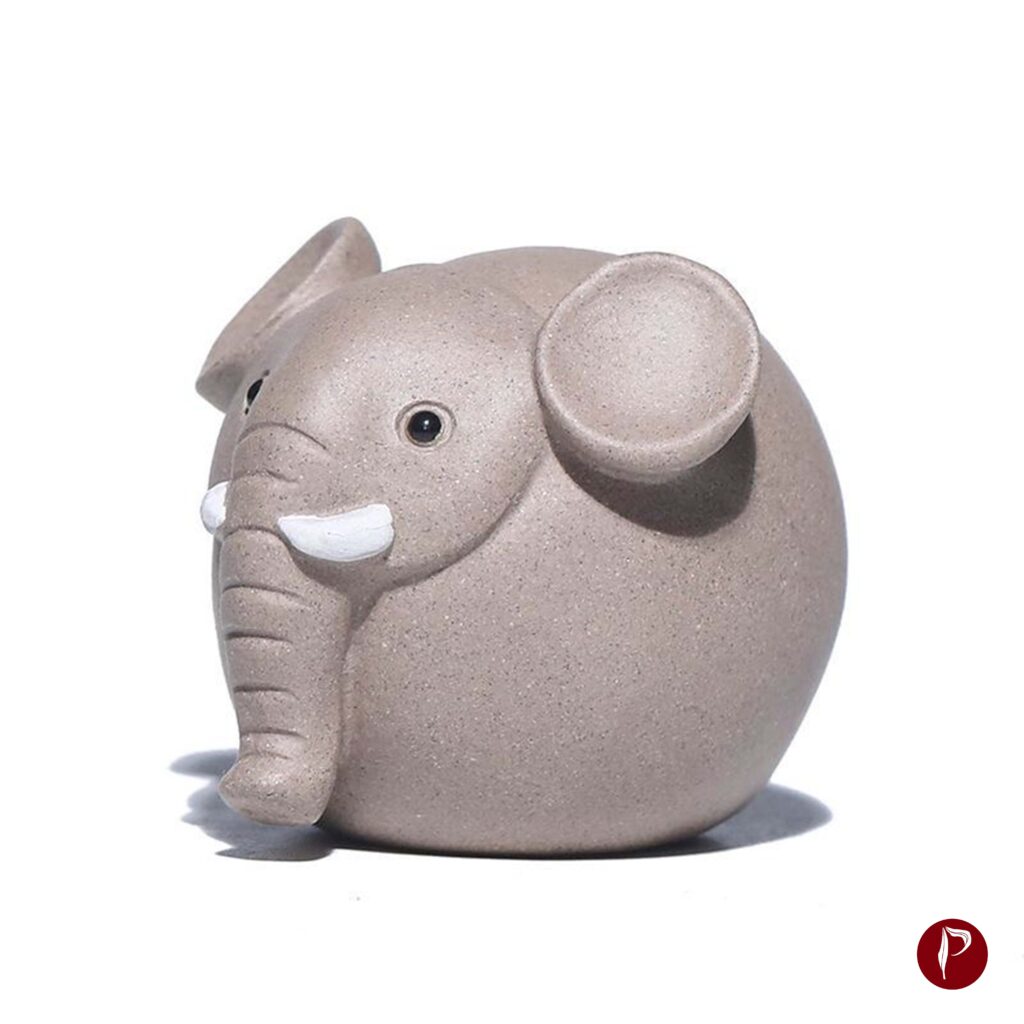
A tea pet is a beloved companion in traditional Chinese gongfu tea ceremony culture. Crafted from unglazed clay, it is gently rinsed with tea during each brewing session rather than being used as a drinking vessel. With time and care, the tea pet develops a unique patina, reflecting the countless moments shared over tea. More than just a decoration, a tea pet symbolizes patience, good fortune, and the deep connection between tea and daily life.
To learn more about the tea pet: How to Nurture Tea Pet: A Guide to Keeping It Happy
Tea Towel (Cha Jin)
A tea towel is one of the most frequently used accessories. It is used to wipe away spilled water from the tea table and dry excess water from the gaiwan, fairness cup, or other tea ware.
Tea Strainer
A tea strainer is optional. Large-leaf teas such as raw or ripe Pu-erh usually do not require one because the leaves remain inside the brewing vessel naturally. However, teas with smaller leaves, such as Lapsang Souchong (Zheng Shan Xiao Zhong), may benefit from a strainer to prevent leaf fragments from entering the fairness cup.
Tea Tongs
Tea tongs are used to transfer dry tea into a tea holder, remove spent leaves from a teapot, and safely handle hot tea cups or other tea ware during rinsing and warming, preventing burns and maintaining hygiene.
Tea Scoop (Cha Chi)
Also called a tea shovel, the tea scoop is used to transfer dry tea leaves from the tea holder into the gaiwan or teapot. It can also be used to remove tea leaves directly from a tea package.
Tea Needle (Cha Zhen)
Usually made of metal with a pointed tip, the tea needle is primarily used to separate compressed tea cakes, such as Pu-erh, and to clear tea leaves that may block a teapot’s spout.
Tea Holder (Cha Ze)
The tea holder is used to present and measure dry tea leaves before brewing. It allows guests to observe the appearance and aroma of the tea while providing an elegant way to transfer the leaves into the brewing vessel.
Tea Utensil Holder
A tea utensil holder keeps all tea tools neatly organized, helping maintain a clean and orderly tea table.
Tea Table
Choose a tea table appropriate for the number of guests and the seating arrangement. The height and size should provide comfort whether guests are seated on chairs or traditional floor cushions.
Tea Table Cloth
A tea table cloth protects the tea table while enhancing the overall aesthetic of the tea setting.
Cup Coasters
Cup coasters absorb moisture beneath the tea cups and add an elegant decorative touch to the tea table.
Tea Flowers
Fresh flowers can be arranged according to the tea being served or the theme of the ceremony. Floral decoration enhances the atmosphere and creates a stronger sense of harmony and beauty.
Background or Folding Screen
A carefully selected backdrop or wooden or bamboo folding screen can complement the theme of the tea ceremony and create a refined, peaceful environment.
Music
Soft, calming music is commonly used as background music during a Gongfu Tea Ceremony. Traditional Chinese instruments such as the guqin, guzheng, erhu, and xiao create a tranquil atmosphere that encourages relaxation and mindfulness.
The tranditional tea music play list.
Tea Space
The environment itself is an important part of the gongfu tea ceremony. Choose a quiet location away from distractions, with comfortable temperature, balanced lighting, and sufficient space for guests. Depending on the occasion, the ceremony may be held indoors or outdoors.
Although only a few essential tools are required to begin practicing Gongfu tea, thoughtfully chosen accessories can enhance the ceremony’s efficiency, elegance, and overall experience. The best tea setup is one that supports both the tea itself and meaningful connections between host and guests.
5. Preparing the Gongfu Tea Ceremony
Proper preparation creates a smooth and elegant tea experience.
Step 1. Design the Tea Table
Arrange the tea table into wet and dry zones.
Many tea hosts place the brewing area on the right and dry utensils on the left, although layouts may vary according to personal preference and aesthetics.
Step 2. Prepare the Water
Use the highest-quality water available.
Generally:
- Spring water is preferred.
- Mineral water is acceptable.
- Filtered water is better than tap water.
Maintain the appropriate brewing temperature throughout the tea session. Electric kettles with temperature control are particularly useful.
Step 3. Clean and Warm the Tea Ware
Wash any tea ware that has been stored or previously used.
Preheat the gaiwan, teapot, fairness cup, and tea cups with hot water. Warm vessels help preserve brewing temperature and enhance tea aroma.
6.How to Perform a Gongfu Tea Ceremony
Step 1. Welcome the Guests (Optional)
The tea master greets guests with a slight bow, briefly introduces the theme of the session, and learns about guests’ tea preferences.
Step 2. Present the Tea
Measure the tea leaves and place them in a tea holder.
Invite guests to examine the leaves, appreciate their aroma, and learn about the tea’s origin, cultivar, and processing.
Step 3. Warm the Brewing Vessel (Optional)
Pour hot water into the gaiwan or teapot, then rinse the fairness cup and tea cups.
This step raises the temperature of the tea ware while awakening the fragrance of the dry leaves.
Step 4. Add the Tea Leaves
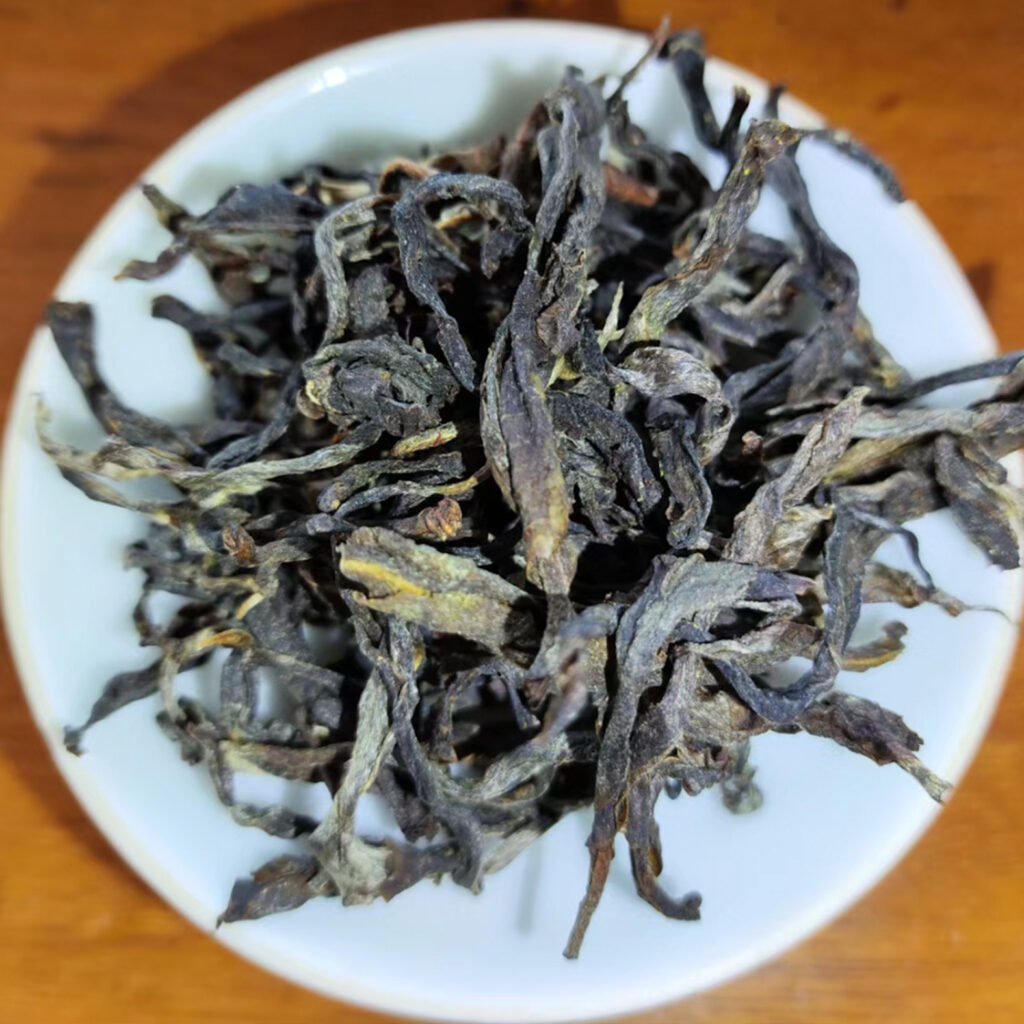
Transfer the tea into the brewing vessel.
Gently shake the warmed vessel to release the dry aroma before allowing guests to smell the tea.
Step 5. Rinse the Tea
Most Puerh, Oolong, and dark teas benefit from a quick rinse.
The rinse opens the leaves and removes any surface dust.
High-quality green tea and many black teas generally do not require rinsing
Pour the tea on the tea pet.
To learn how to use Gaiwan: How to Use A Gaiwan to Brew Tea|3-Finger Method
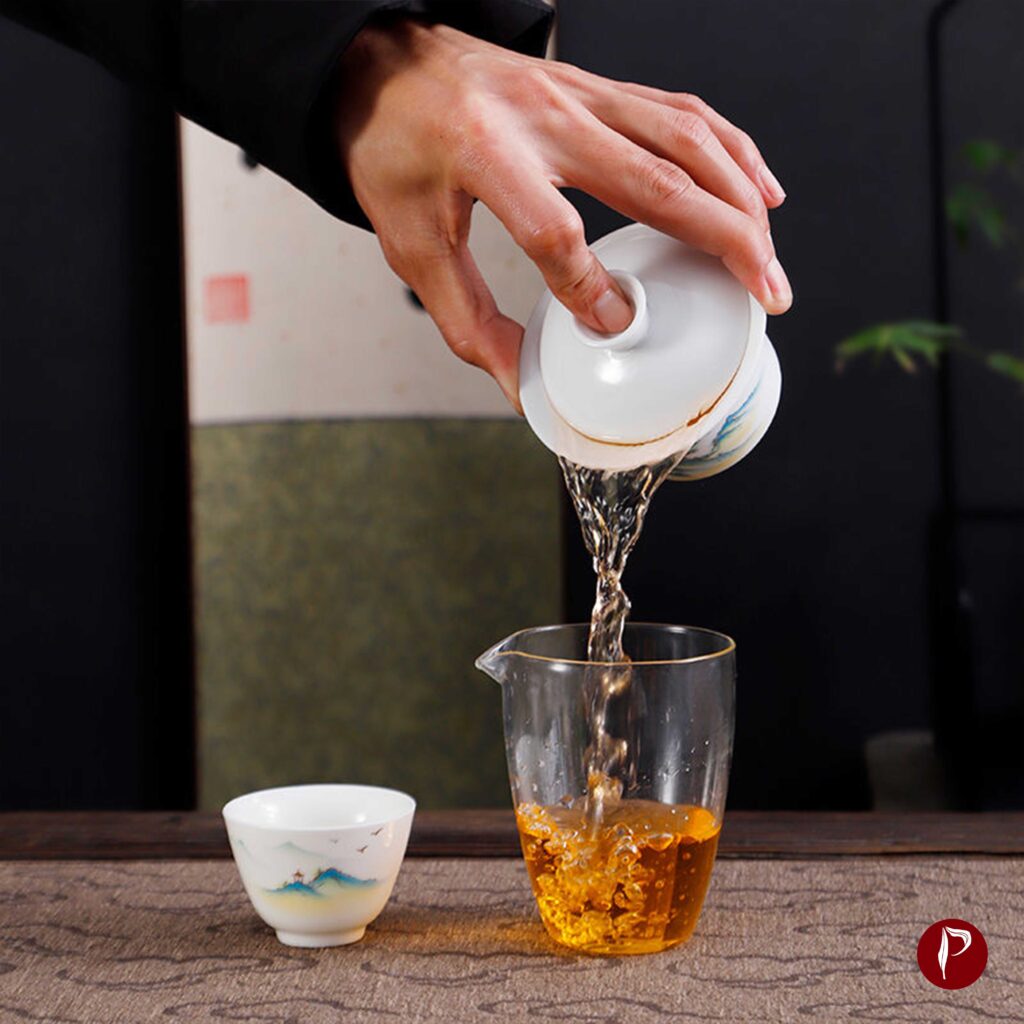
Step 6. Brew the Tea
Pour hot water using a technique suitable for the tea being prepared.
Adjust steeping time for each infusion to maintain balance and consistency.
Multiple infusions reveal different layers of aroma and flavor.
To learn how to brew puerh tea: How to Brew Pu erh Tea Easily 1-Minute Guide
Step 7. Pour into the Fairness Cup
Transfer the brewed tea into the fairness cup before serving.
This ensures every guest enjoys tea of identical strength.
Step 8. Serve the Tea
Invite guests to drink using a respectful serving gesture.
The tea host traditionally presents the tea with an open palm facing upward.
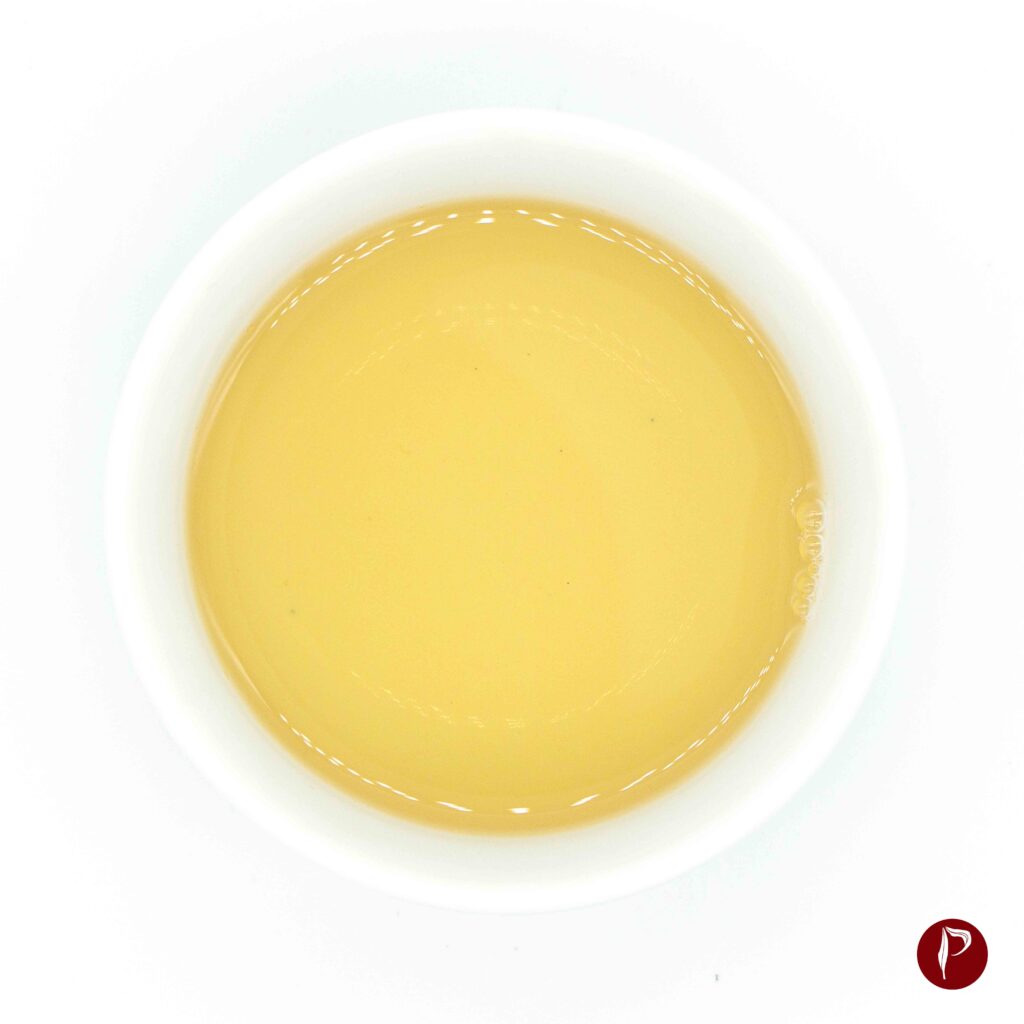
Step 9. Taste the Tea
Encourage guests to appreciate the tea through three stages:
Observe
Notice the appearance of the dry leaves, infused leaves, and tea liquor.
Smell
Enjoy both the aroma of the tea and the lingering fragrance inside the warmed cups.
Taste
Take slow sips to appreciate body, sweetness, texture, aftertaste, and the changing flavor across multiple infusions.
Tea is traditionally enjoyed as a shared experience, inviting conversation and appreciation among guests.
Step 10. Closing the Ceremony
Conclude by thanking guests and reflecting on the tea, the brewing experience, and the theme of the session.
7. Conclusion
The Gongfu Tea Ceremony is more than a brewing technique—it is a cultural tradition that celebrates patience, craftsmanship, hospitality, and mindfulness.
By understanding its history, selecting the right tea tools, and mastering each step of the brewing process, every tea session becomes an opportunity to slow down, connect with others, and appreciate the remarkable depth of Chinese tea culture.
With practice, each infusion reveals new aromas, flavors, and moments of quiet reflection, making every cup a unique expression of the art of Gongfu tea.