
Chinese Tea as a Foundation for Social Connection
1. Lonliness in the United States

The United States is the world of aplenty. We have everything one could ever dream of: high salaries, state of art technology, and huge houses. Our homes have grown by 150% since 1980, but yet fewer people are living in them. Fewer people in our social circles creates boredom and loneliness in our lives.
In 2024 A Gallup survey stated that 1 in 5 people experience loneliness daily. The younger you are, the more likely one will feel lonely.
Lower income households also experience loneliness more often than affluent households. But big city dwellers without domestic partners or big families often feel more lonely than people in rural areas.
The factors of loneliness add up leading to some public health concerns. We need is a new way to bring people together, and Chinese tea could be the foundation for social connection that strengthens us socially.
Impact of Loneliness and Wellbeing
Being lonely is no slight problem. Magnet ABA Therapy states “public health experts equates chronic loneliness to smoking 15 cigarettes a day. Life satisfaction goes down as 1 in 5 people rate their life satisfaction as poor. As a result the risk of one being diagnosed with depression and other serious mental health disorders goes up. Forming community programs and raising awareness of the health impacts of isolation are needed.
It may not be the cure all to the problem, but Chinese Tea could help bring those numbers down through bringing more people together by creating more reasons for hanging out. Chinese tea is also a very affordable and healthy as just 7 grams of Chinese tea can last up to 2 hours! That same tea session is the price of a coffee at Starbucks. That means more people can join in on the fun.
2. Tea as a Foundation for Social Connection
Social Isolation in Modern Society
Harvard lists several interesting factors why modern society is experiencing loneliness. Some of these reasons are:
- Technology — 73% of those surveyed selected technology as contributing to loneliness in the country
- Insufficient time with family — 66% chose this issue as a reason for loneliness in America
- People are overworked or too busy or tired — 62% surveyed picked this concern
- Mental health challenges that harm relationships with others — 60% of people rated this as a significant problem
- Living in a society that is too individualistic — 58% named this as a cause of America’s loneliness problem
- No religious or spiritual life, too much focus on one’s own feelings, and the changing nature of work — with more remote and hybrid schedules — were perceived causes of loneliness selected by around 50% of people who participated in the survey
The second and third bullet point go hand in hand. We are seriously lacking some work life balance in modern society. A better work life balance contributes towards a foundation for social connection. After a 2 hour daily commutes and 9 hour shifts, who wouldn’t feel like drowning.
A good way achieve a better work life balance is with the daily Gongfu tea ritual with friends and families, where one immerses oneself into the careful and meticulous brewing of Chinese tea. A simplified version can be done at the workplace with friends. You just need a few essential tools found in the video to the left.
Cultural Significance of Tea in China
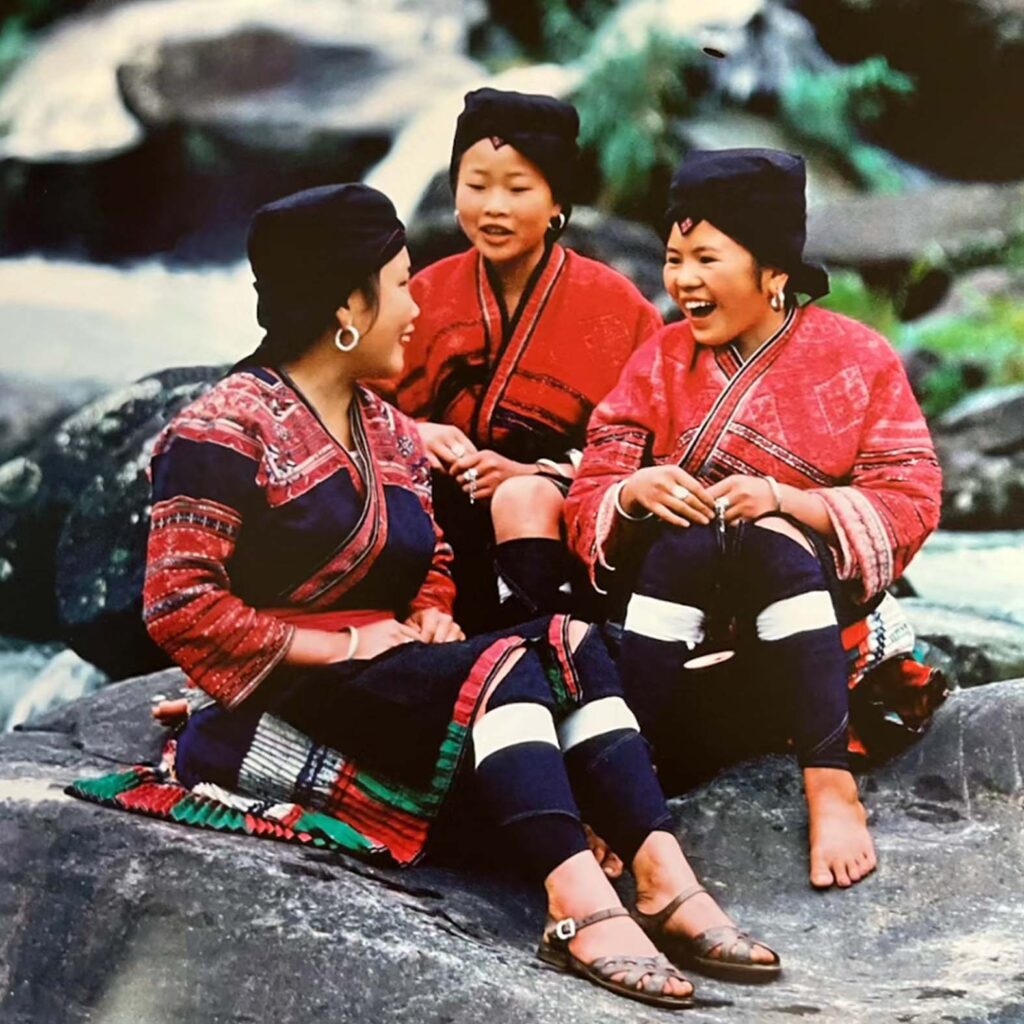
Chinese tea could be a foundation for social connection, just like it has been for generations in China.
The concept of tea culture is referred to in Chinese as chayi (“the art of drinking tea”), or cha wenhua (“tea culture”). Tea in China is more than a drink; it is a living symbol of culture, history, and philosophy. For over two millennia, tea has been at the heart of Chinese life—honored by emperors, celebrated by poets, and woven into daily rituals.
Offering tea expresses respect and hospitality in all types of social situations including family gatherings, weddings, or visits with friends. Across generations, the simple act of sharing tea has carried deep meaning, turning each cup into a gesture of harmony and connection with the community.
China’s vast landscape has also shaped diverse traditions around tea. Rooted in Daoist, Buddhist, and Confucian thought, tea reflects balance, mindfulness, and community. Even today, tea houses, like those found in ChengDu remain gathering places for conversation, relaxation and foundation for social connection, reminding us that tea is not only about taste. It is about continuity, belonging, and the quiet power of bringing people together.
Health Benefits of Drinking Chinese Tea
As a tea seller it is my job to show people the wonderful gifts of Chinese tea. Chinese tea comes in six varieties: Dark, white, yellow, green, red, and oolong. The right amount of tea caffeine creates relaxed focus, concentration, and creativity. This comes from the combination of L-Theanin and Caffeine. I’ve had some special moments with friends where the conversation become boisterous and romping fun from drinking a lot of tea, seemingly erasing all stress from the body.
In an earlier blog I explained how tea can alleviate stress. Coping with stress is a path towards feeling comfortable with social interactions, which I understand can be stressful for some Introverted people.
The calming tea article explores how tea traditions in China are used as a tool for mental clarity, stress relief, and emotional balance. Tea time with oneself and others becomes a moment of pause and internal harmony. Through that lens, tea becomes a gentle guide toward calmness in a busy world.
Importance of Tea in Ceremonies
We’ve already established that Chinese tea has the ability to make one feel better in the mind and body. We’ve also discussed the importance of tea culture in China for bringing people together.
Culturally in China, serving tea is a gesture of respect for one’s guests, humility of one’s status in life, and establishing life long deep friendship and recurring meet ups.
Within the social context of China, Chinese families believe offering tea shows pureness and is part of important events like weddings. Tea is actually exchanged and valued as a gift at these weddings, but only the most premium ones.
Another example relates to Japanese tea gatherings where host and guest share a silent dialogue of mutual appreciation. It’s a way to connect heart-to-heart, transcending words.
In the USA, I envision tea being used as a reason to meet up, trade tea leaves, share stories, and slow down in life. I’d like to see people really appreciate life without doing harm to themselves.
Creating Community Through Tea Gatherings
Creating community as a foundation for social connection is one of our objecteives at Purcraftea. There are many ways this can be achieved, and creative solutions will reveal from within.
- Chinese Tea Gatherings (Gongfu Cha 功夫茶)- relaxed yet focused gatherings with intimate skillful brewing using small teaware. The goal is to To appreciate the art of brewing, aroma, and flavor.
- Western style tea gatherings- promote social enjoyment, conversation, or cultural exploration. The purpose is to build friendships, networking groups, or creative communities around shared values (mindfulness, wellness, culture).
- Cross cultural or themed tea gatherings- include mindful tea circles with elements of meditation, tea and arts events around poetry, calligraphy, music, tea tastings and workshops, community tea ceremonies for open exchange and dialogue, and community appreciation around craftsmanship and environment.

Practical Ways to Incorporate Tea into Social Life
1. Host small tea gatherings.
Invite friends or neighbors for a simple tea session at home. A few cups, some snacks, and good conversation can create deep connection.
2. Start a weekly or monthly tea ritual.
Pick a consistent time—like “Tea Thursdays” or Sunday afternoons—to unwind and share tea with loved ones.
3. Pair tea with creative activities.
Combine tea with reading, poetry, journaling, or art. A “tea and creativity” evening brings mindfulness and inspiration together.
4. Bring tea into the workplace.
Swap coffee breaks for tea breaks. Sharing tea at work encourages calm, connection, and meaningful chats.
5. Celebrate special moments with tea.
Use tea instead of alcohol during birthdays, holidays, or gatherings. Choose tea types that match the mood or season.
6. Gift tea to others.
A favorite tea paired with a handwritten note makes a thoughtful and personal gift that shows care and connection.
7. Join or create a tea community.
Look for local tea houses, workshops, or online tea circles. Sharing tea culture with others deepens both knowledge and friendship.
Hosting Your Own Tea Party
Have you always wanted to throw a party but afraid your place might get wrecked? Try a tea party instead. They can be as elegant, fragrant, and unforgettable as you’d like. Be sure to see which foods pair well with Chinese tea here. With a few good teas, soft music, and warm conversation, you can create a cozy atmosphere that everyone will remember. Save your furniture, sip responsibly, and discover how a cup of tea can turn a simple gathering into something truly special.
Join or Start Your Own Tea Club
I still remember walking down a dorm hallway in Shanghai and stumbling upon a small group of teachers sharing tea. They welcomed me in, and soon we were laughing, talking, and tasting a mandarin orange Puer tea unlike anything I’d had before.
That moment showed me how tea can be a foundation for social connection — a way to slow down, share stories, and build friendships. Whether it’s in a dorm, a living room, or a small café, a simple tea session can spark lasting bonds. Why not start your own tea club and see where the conversation flows?
Conclusion: Embracing Tea for Connection
In a world that moves faster every day, taking time to brew tea can be a grounding act of mindfulness. The simple rituals like pouring water, watching the leaves unfurl, and breathing in the aroma bring us back to the present moment. Whether alone or with others, tea becomes a small daily pause that nurtures calm and clarity in the middle of life’s noise.
Final Thoughts on Overcoming Loneliness Through Tea
Tea has always been more than a drink, it literally brings people together. Sharing tea encourages conversation, trust, and genuine presence. In a time when loneliness has become a growing concern, tea offers a gentle, human solution: connection through warmth and shared experience. Tea really is a foundation for social connection. Each cup reminds us that we don’t have to face the world alone; sometimes, all it takes is a good friend willing to share some tea leaf to bring people together.
For more information on the caffeine amounts of each type of Chinese tea we offer click here.
For more information about the sustainability of Purcraftea click here.
For teaware that really takes off your next social gathering click here.
About Us
Table of Contents
Toggle