
Understanding Shou Puerh Tea: Process, Taste, and Brewing Basics
What is Shou Puerh Tea?
Let’s start by learning the meaning behind the Chinese pinyin (phonetic spelling) of shou puerh tea. “Shou” (熟) literally means “ripe” or “cooked,” indicating it is fully fermented compared to raw (Sheng) Puerh. Puerh (普洱, pǔ’ěr) tea is a type of tea produced in Southwest China in Yunnan province. It comes in either cooked “shou” or raw “sheng”. To learn more about the differences between ripe vs raw puerh, click this link. When processed right, shou puerh will have a very mellow, deep earthy, and heavenly aroma.
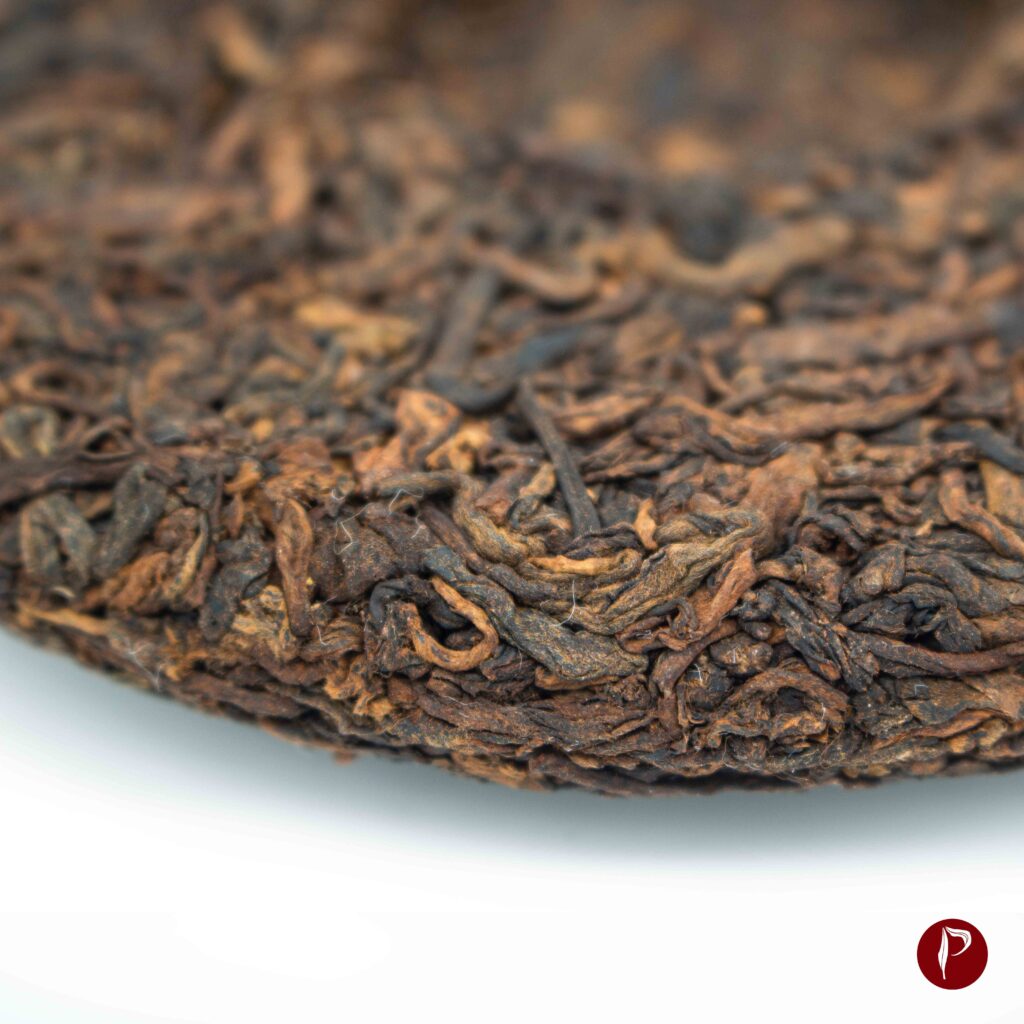
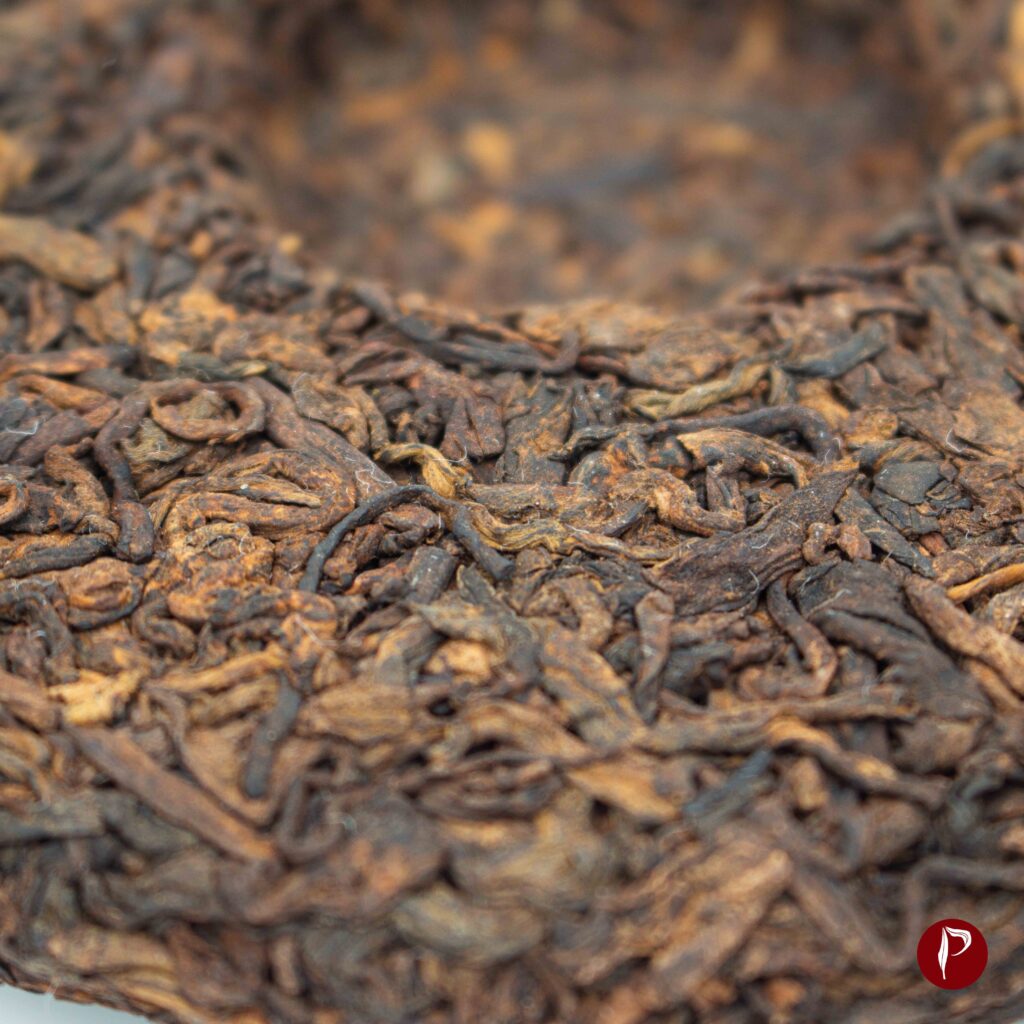
Shou puerh tea is often compressed into discs, balls, bricks or tuocha. Shou (ripe) puerh is compressed by steaming the fermented loose leaves to make them pliable, placing them in fabric bags, and applying heavy pressure—traditionally with stone weights or via hydraulic machines. This compression is done after the 45-60 day wet-piling fermentation process is complete, allowing for easier storage and transport.
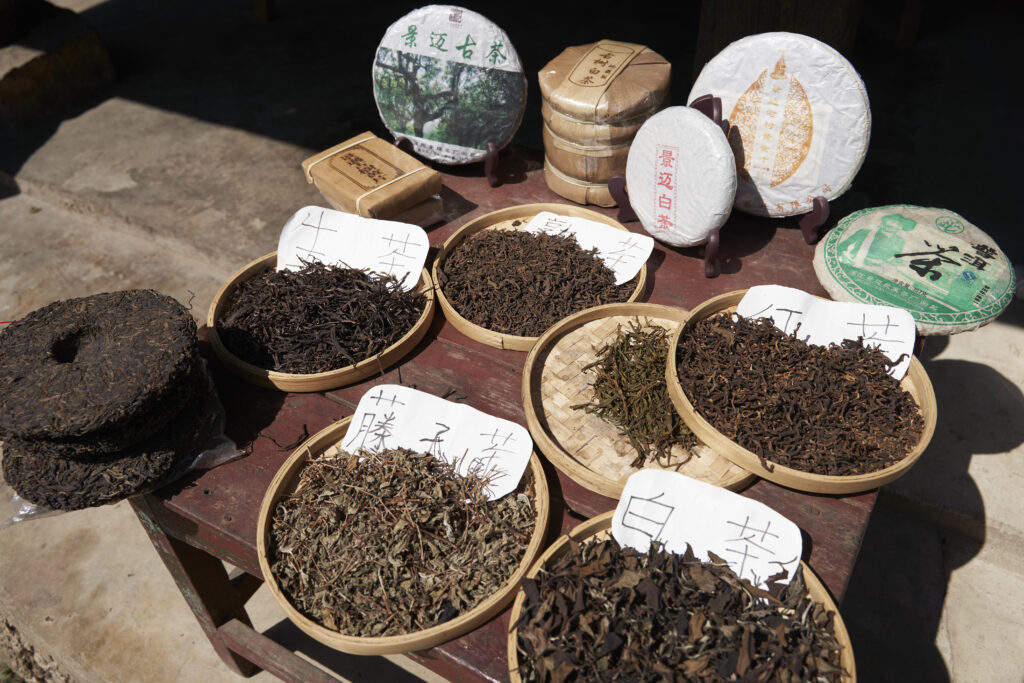
History and Origin of Shou Puerh Tea
Shou Pu-erh (熟茶) is the modern sibling of traditional raw Pu-erh, born out of necessity actually, and a bit of ingenuity.
By the mid-20th century, demand for aged raw Pu-erh exploded in Hong Kong and Southeast Asia, but there simply wasn’t enough well-aged stock to go around. This caused the breakthrough in accelerated fermentation which happened in the 1970s in China. In the early 1970s, tea technicians in Yunnan (most notably at the Menghai Tea Factory) developed a method to simulate decades of aging in months. This process is called Wo Dui (渥堆), or wet piling.
Around 1976 shou puerh was starting to be produced for the mass scale of people. In the 1980s it spread globally and became recognized as a separate tea category.
The Unique Fermentation Process of Shou Puerh
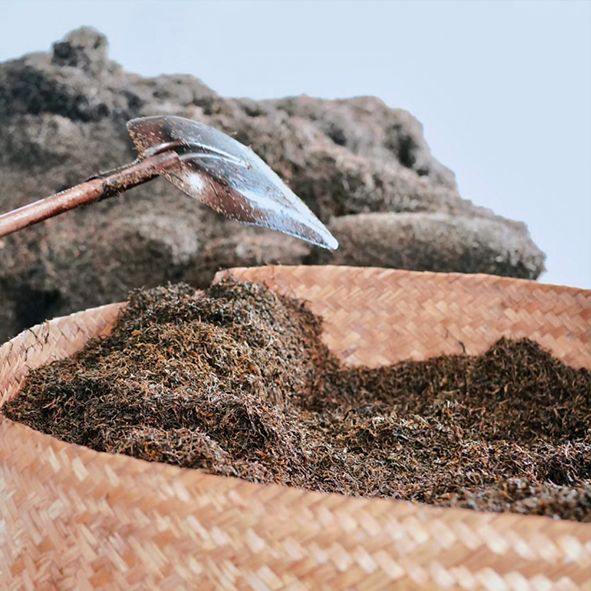
The Shou (Ripe) Pu-erh fermentation process (Wo Dui 渥堆) consists of the following processes:
- Leaves (maocha) are picked and sun-dried.
- Leaves are piled, lightly moistened, and covered
- Heat & humidity are trapped
- Natural Microbial activated to cause fermentation
- Pile temperature rises to 40–60°C (104-140°F)
- Leaves darken, and bitterness softens
- Piles turned regularly, frequently early and slower later, which Prevents mold & ensures even fermentation
- Fermentation lasts around 45–90 days
- Tea is dried to stop fermentation
- Tea rests for months to mellow flavors
- (optional) Formed into cakes, bricks, or left loose
Types of Leaves Used
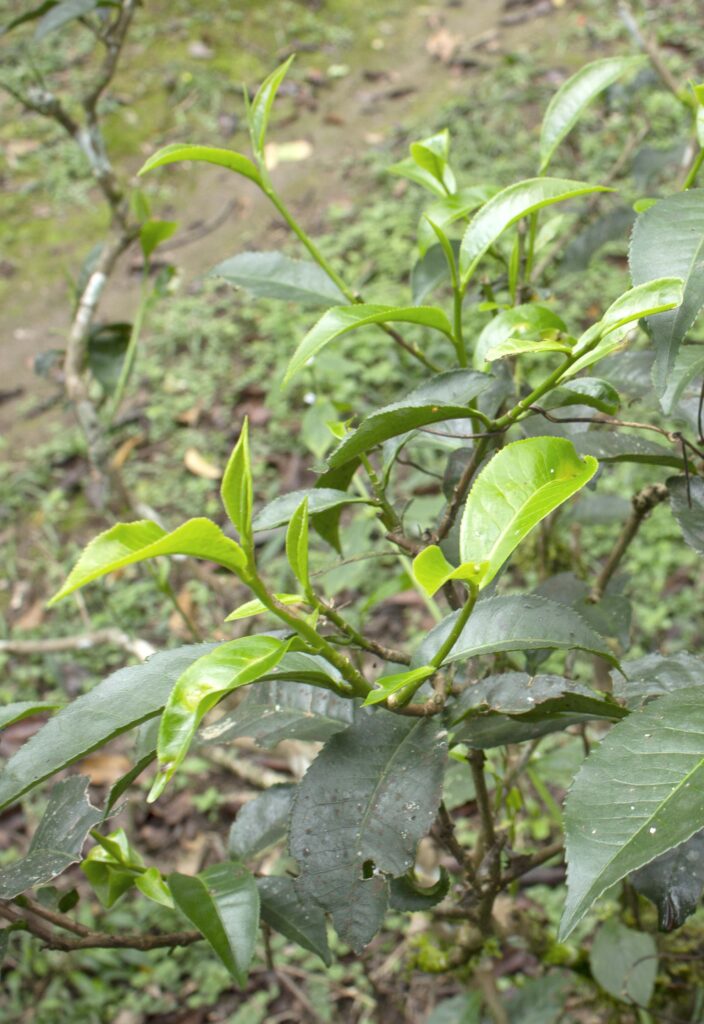
Shou Pu-erh is made from Yunnan’s large-leaf tea varietal, Camellia sinensis var. assamica, which has thick, durable leaves capable of withstanding heavy fermentation. This strength is essential, as more delicate tea leaves would break down or lose character during the Wo Dui process.
Most Shou Pu-erh relies on mature leaves, which provide body, depth, and stability. Younger leaves and buds may be added in small amounts to soften the profile and introduce subtle sweetness, though they are used sparingly since fermentation can easily overpower their finer traits. This is why the best leaves are reserved for Sheng Raw Puerh Tea. Stems are often intentionally included as well, adding complexity and improving airflow within the fermentation piles.
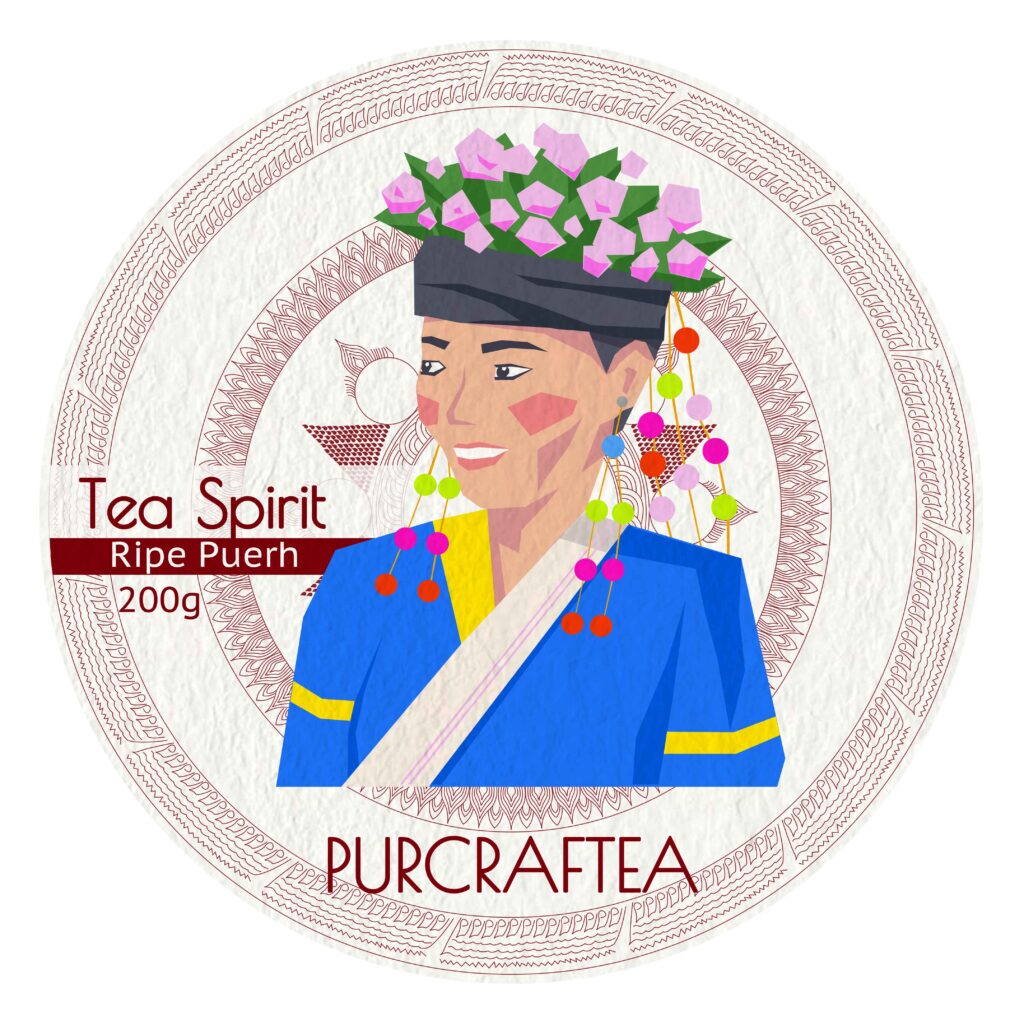
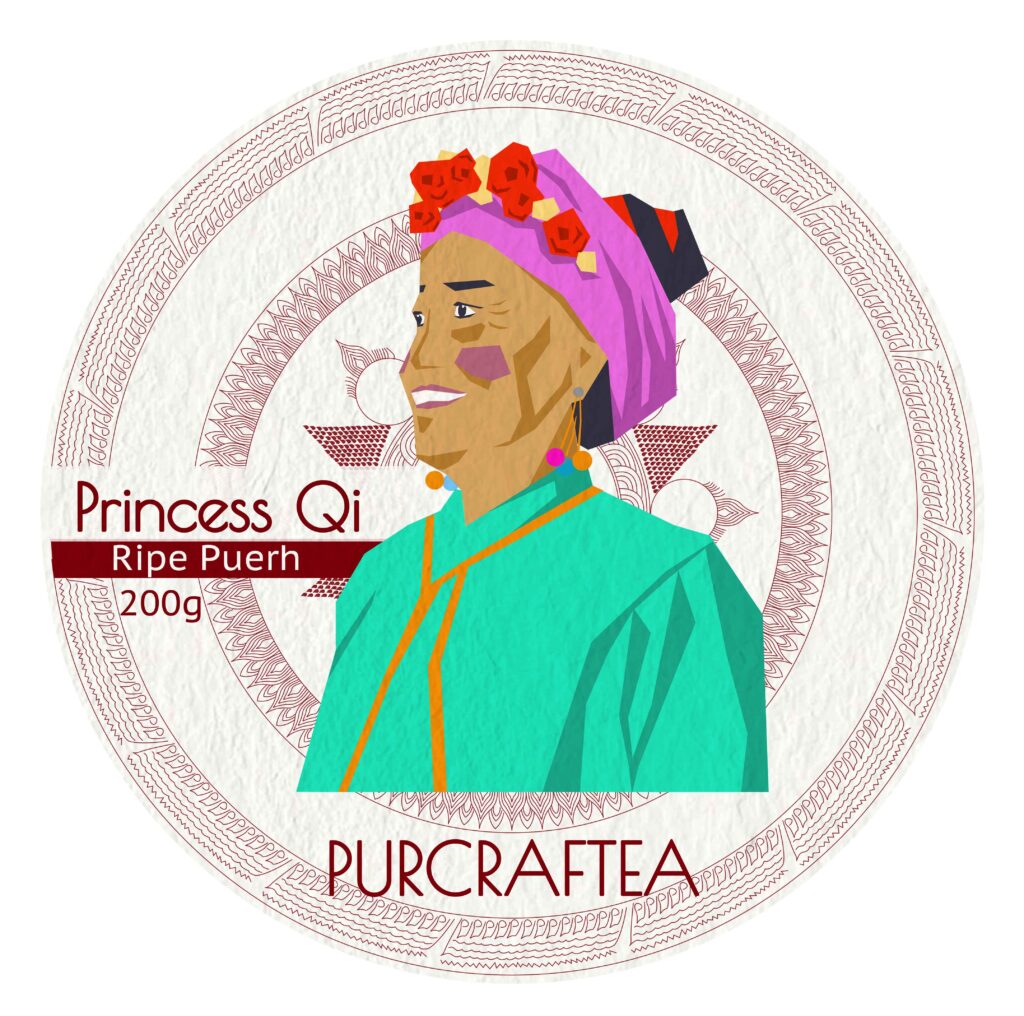
The majority of Shou Pu-erh is made from plantation-grown tea for consistency and accessibility, while higher-end or small-batch versions like Princess Qi or Tea spirit shou puerh tea may include old-tree (gushu) material, valued for its thicker leaves, deeper sweetness, and added complexity.
Flavor Profiles and Characteristics
Shou puerh tea (熟茶), also known as ripe or cooked pu’erh, is known for its deep, earthy character and exceptionally smooth body.
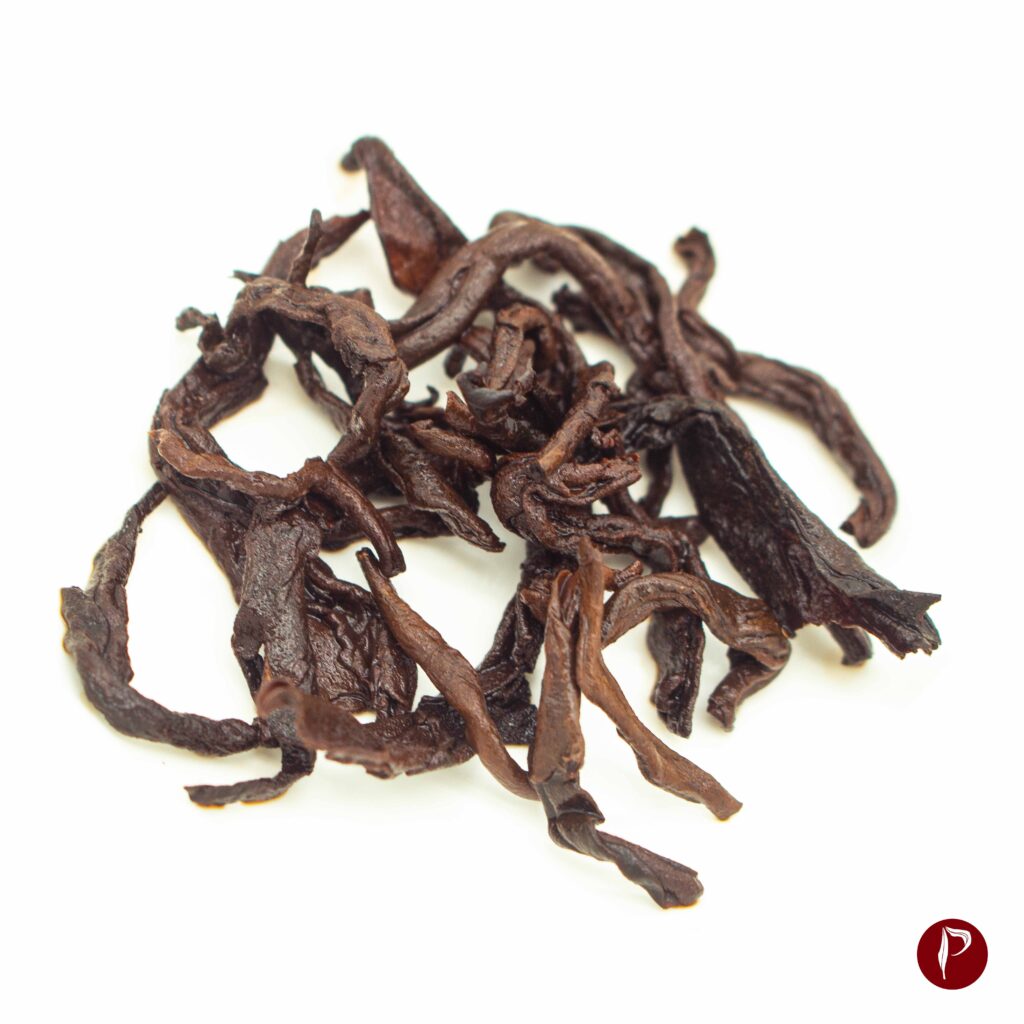
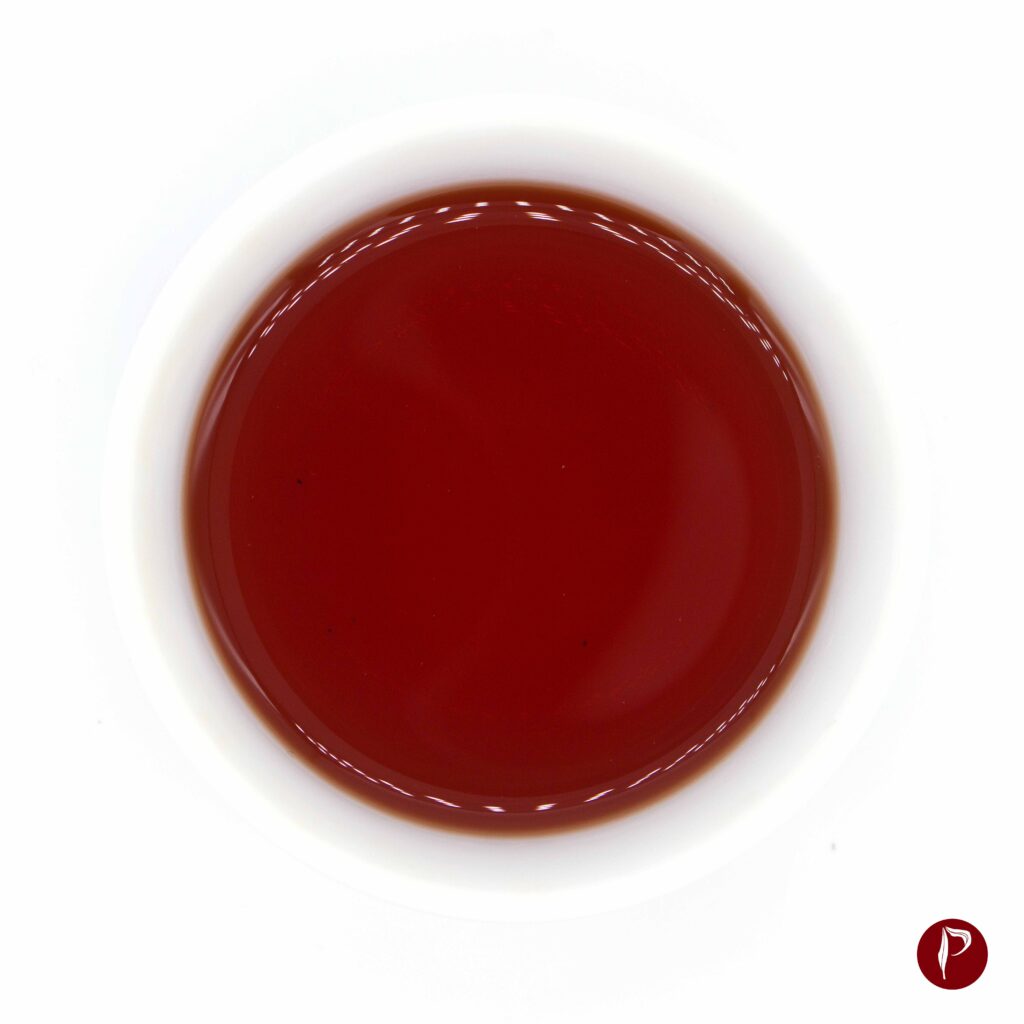
Teas like our aged 2012 Princess Qi shou cha pu’erh, offers a layered and expressive profile. When these ripe puerhs, the tea feels rich and silky, carrying a sense of depth and quiet wisdom inspired by its historic namesake. The aroma opens with creamy sweetness and soft orchid notes, woven through wet leaves and a damp forest floor. On the palate, earthy wet woodiness is balanced by gentle fruit tones followed by a surprising hint of chocolate. As the tea lingers, notes of sticky rice and vanilla emerge, nestled within its humus-rich earthiness.
Try out Princess Qi shou puerh tea at Princess Qi Ancient Arbor Shou Puerh.
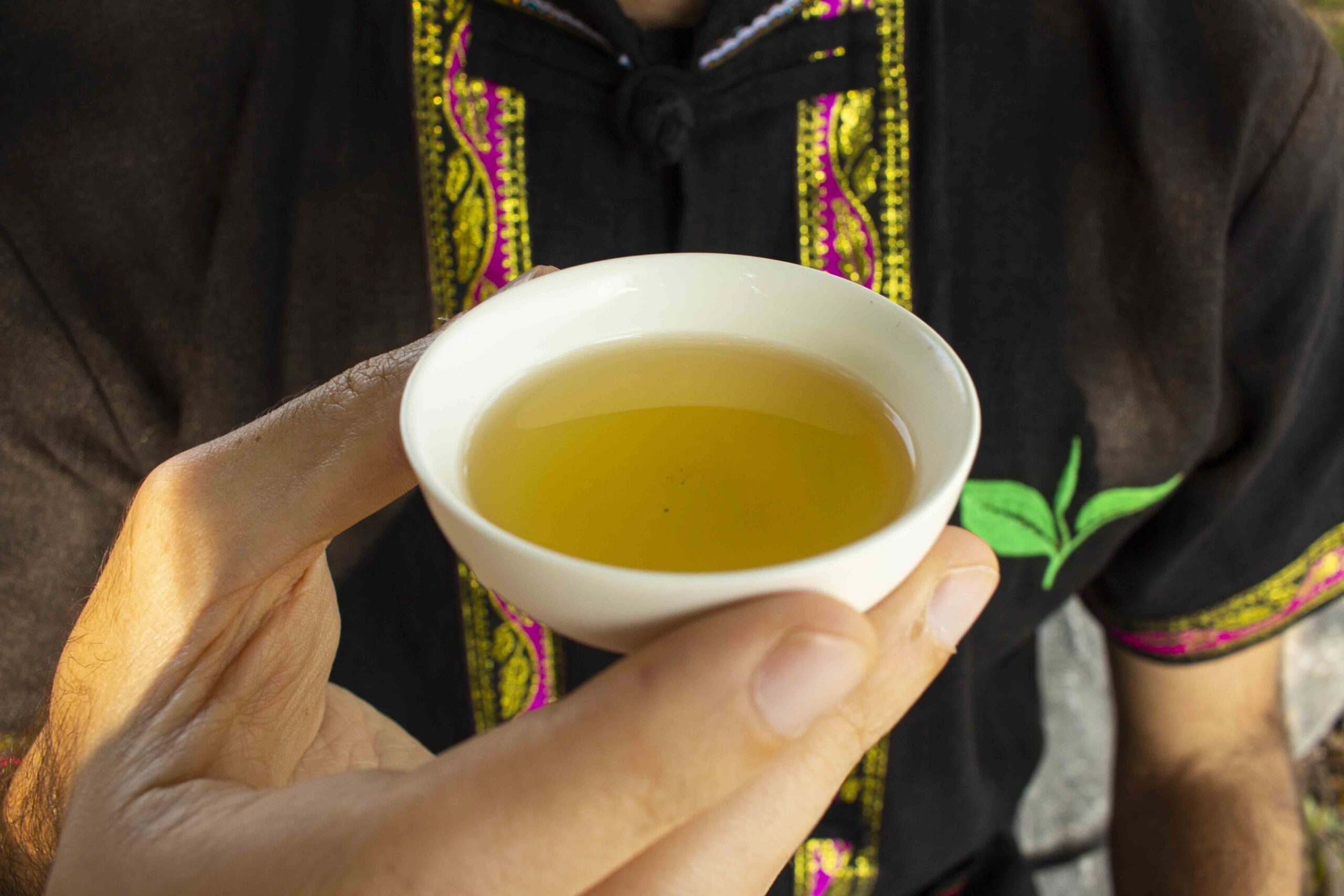
A younger, less mature shou puerh naturally shows less complexity, but makes up for it in being consistently fragrant and smooth. Teas like our Jingmai Tea Spirit has mellow sweetness and approachable depth. In this tea, flavors of honey, plum, and dates unfold before fading into deep woody notes. Later infusions reveal soft vanilla alongside hints of moss and oak.
Ripe pu’erh offers remarkable range, and these two teas reflect how age and origin shape its character in distinct and meaningful ways.
Try out Purcraftea Tea Spirit Shou Puerh tea at Tea Spirit Ancient Arbor Shou Puerh Tea.
Health Benefits of Shou Puerh
Antioxidant Properties
Shou Pu‑erh tea is rich in antioxidants, like polyphenols and theabrownins, formed during its fermentation. These compounds help fight harmful free radicals, reduce cell damage, and may support heart and liver health. This study shows that theabrownins are especially good at protecting cells from oxidative stress.
Digestive Health
Shou (ripe) Pu‑erh tea may support digestive health by helping balance gut bacteria, increasing good bacteria like Lactobacillus and Bifidobacterium, reducing gut inflammation, and keeping the gut lining healthy. Studies in animals suggest this can improve digestion and overall gut comfort.
Weight Management
Shou puerh tea has been linked to weight management. Research suggests Shou Pu‑erh tea may help with weight management by reducing fat buildup, improving how the body processes fats, and supporting metabolism. These effects may come from natural compounds in the tea that influence metabolism and gut bacteria, though strong evidence in humans is still limited.
Potential Cardiovascular Benefits
Shou Pu‑erh tea may support heart health by helping lower “bad” cholesterol (LDL) and raise “good” cholesterol (HDL). Its antioxidants and anti-inflammatory compounds might help protect blood vessels and reduce the risk of plaque buildup. Some studies in animals also suggest it could help with blood pressure. These benefits come from the tea’s natural fermented compounds, though most research so far has been in animals, so more human studies are needed.
How to Brew Shou Puerh Tea
Choosing the Right Tea Leaves
When choosing shou cha pu erh tea leaves, start with the leaf grade. Whole or lightly broken leaves usually brew cleaner and more complex, while very fine material brews fast but can taste muddy. Smaller buds (like Gong Ting) give a smoother, sweeter cup with cocoa and date notes, while larger leaves tend to feel thicker, earthier, and more robust.
Look closely at color and uniformity, good Shou puerh tea leaves are dark brown to chestnut, evenly fermented, and free of grey dust or excessive stems. Give it a smell too: it should be clean and pleasant (think damp forest floor, cocoa, or wood), never sour, fishy, or moldy. Finally, consider origin and age: reputable Yunnan producers and a few years of resting after fermentation usually mean a smoother, more balanced tea.

Brewing Techniques and Equipment
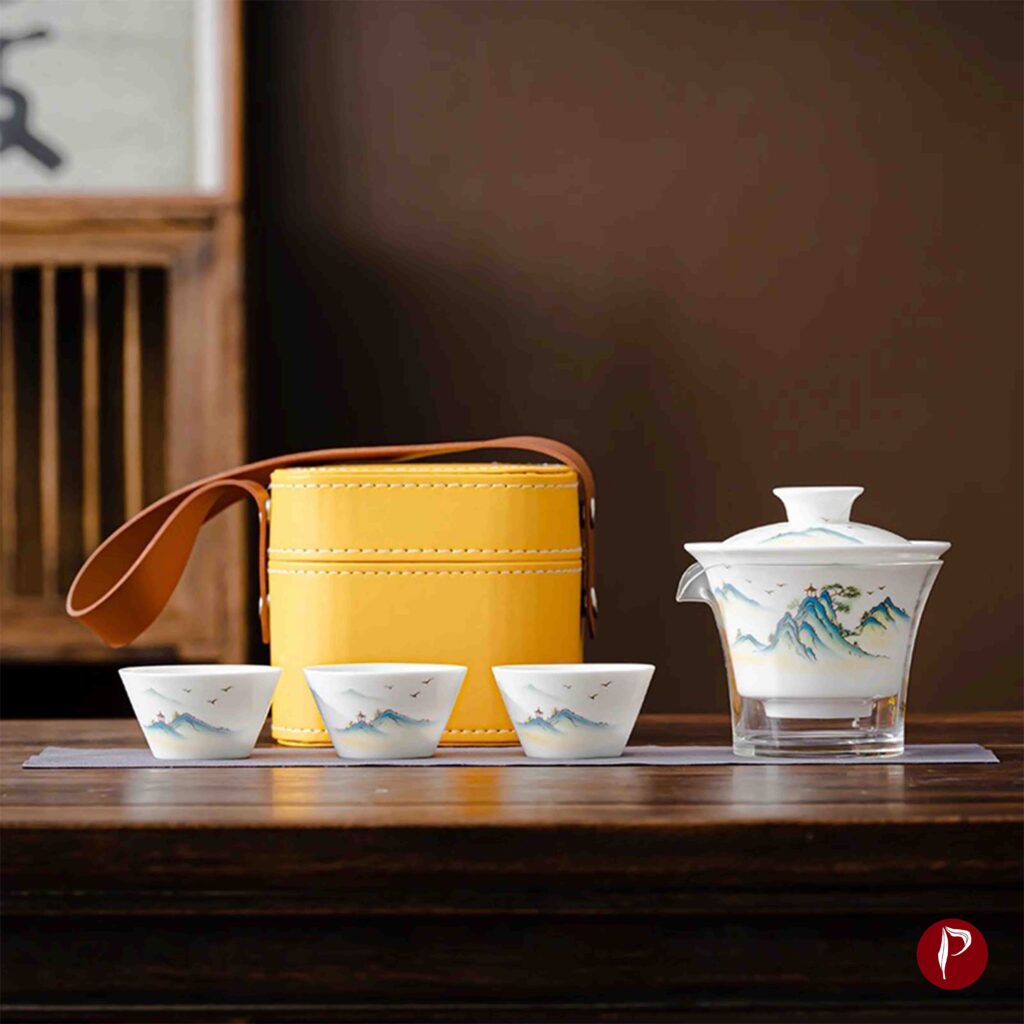
Shou cha pu erh tea is forgiving, but good technique brings out its smooth, rich character. Gongfu-style brewing is the most popular method, using a small gaiwan or Yixing teapot to control strength and texture through short, repeated infusions. Use boiling water (100°C / 212°F)—Shou needs high heat to fully open and release its flavors. A quick rinse (5–10 seconds) is recommended to wake up the leaves and remove any lingering fermentation notes.
For leaf quantity, start with 6–8 grams per 100–120 ml of water. Begin with short steeps (5–10 seconds) and gradually increase time with each infusion. Expect a dark, clear liquor with flavors that shift from earthy and cocoa-like to sweet, smooth, and creamy over many brews.
If you prefer simplicity, Western-style brewing also works well: use about 3–4 grams per 250 ml, steep for 3–5 minutes, and enjoy a mellow, full-bodied cup. As for equipment, porcelain or glazed teaware highlights clarity, while Yixing clay softens rough edges and deepens sweetness over time—making it a favorite for dedicated Shou drinkers.
Enjoying Shou Puerh Tea
Pairing with Food
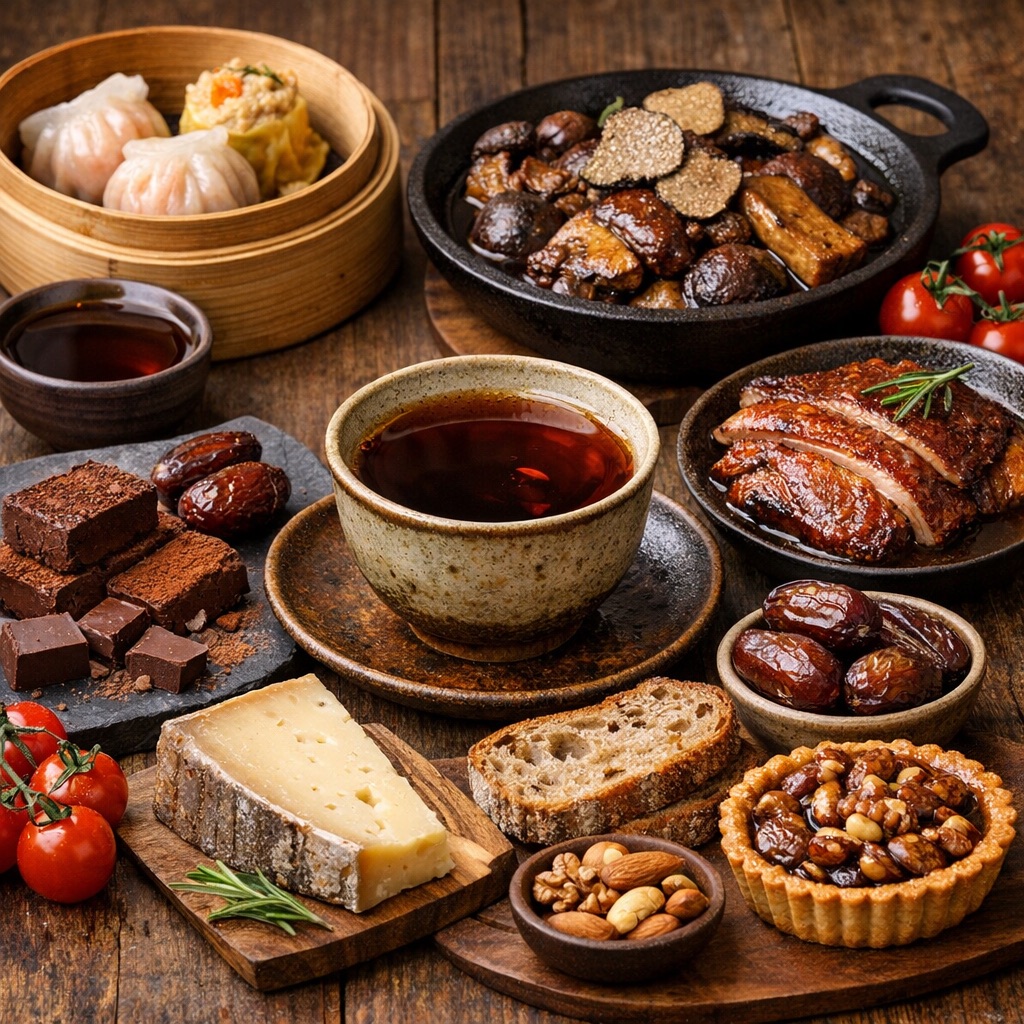
Ripe Pu-erh’s earthy, smooth, and slightly sweet profile makes it a great companion for rich or savory foods. Dim sum, roasted meats, and braised dishes pair well because Shou cha pu erh tea cuts through oiliness and refreshes the palate. Its deep, mellow body also works well with mushrooms, truffles, and umami-rich foods, echoing the tea’s forest-floor notes.
For sweets, try dark chocolate, cocoa desserts, dates, or nut-based pastries—the tea’s natural sweetness and creamy texture balance bitterness and richness without clashing. It’s also excellent with cheese, especially aged or washed-rind styles, and even simple snacks like toasted nuts or whole-grain bread, making Shou Pu-erh an easy, food-friendly tea for long, relaxed sessions.
Creating a Tea Ritual
A Shou Pu-erh ritual is about slowing down and grounding yourself. Start by choosing a quiet space and setting out simple teaware like a gaiwan or small teapot, a fairness cup, and a favorite cup. Boil fresh water and take a moment to breathe while it heats; this pause sets the tone for the session.
Break off a small piece of tea, smell the dry leaves, then give them a quick rinse to wake them up. Brew with short infusions, focusing on the tea’s color, aroma, and texture as it changes from cup to cup. Shou’s smooth, earthy warmth makes it ideal for reflective moments like journaling, reading, or silent contemplation.
Keep the ritual unhurried. Let each cup be intentional, whether you’re drinking alone or sharing with friends. Over time, using the same teapot, cup, or time of day turns brewing Shou Pu-erh into a comforting rhythm with presence and calm.
Social Aspects of Drinking Shou Puerh
Drinking Shou Pu-erh is often a shared, social experience rather than a solo one. Its smooth, comforting character makes it easy to serve to people with different tastes, which is why it’s commonly brewed during long conversations, meals, or late-night gatherings. One pot can last many infusions, naturally encouraging people to sit, talk, and slow down together.
In Chinese tea culture, offering Pu-erh is a gesture of hospitality and respect, especially after meals or when welcoming guests. My first encounter with chunpi (orange peel) shou puerh came after a long day of teaching classes at a Shanghai school when I was welcomed into the dormitory room by a Chinese co-worker from IT. Soon several other guests showed up and this lasted 2 hours.
The act of brewing such as rinsing the leaves, pouring evenly, passing cups creates a quiet rhythm that fosters connection without pressure. Over time, shared Shou sessions become about presence, storytelling, and warmth, turning tea into a social bridge rather than just a drink.
Where to Buy Shou Cha Pu Erh Tea
Online Retail
Many online retailers offer good quality Shou. What makes our shou cha pu erh tea different is thoughtful our attention to detail when it comes to sustainable sourcing, accessibility, smooth, friendly flavor profile, character & craftsmanship.
Princess Qi and Tea Spirit ripe puerh is crafted to be approachable, smooth, and richly earthy without harsh bitterness. This makes it appealing not just to tea experts but also to those newer to ripe Pu-erh, offering a consistently mellow and drinkable profile right away.
Regarding character and craftsmanship, our teas are typically fermented and processed to highlight deep, earthy sweetness and smooth mouthfeel, which is balanced and easy to enjoy. These are qualities that come from careful management of fermentation and quality leaf selection.
Traveling and Exploring Tea Markets
Our journey to finding the best ripe puerh first began in Kunming China. There are two large markets in the city catering to all kinds of tea products, but you’ll generally find some good shou puerh but at slightly higher prices. Key bustling locations include the massive, multi-story Kunming Tea Wholesale Market (Kang Le) and smaller, specialized tea shops, often requiring Mandarin or a translator for navigating.
Another area to try is closer to the source in Puerh city. One can try tea in the Tea Horse Town, whose tea shops stay open late into the night. There’s also a central market offering wholesale prices.
Conclusion
Recap of Shou Puerh Tea’s Benefits
Shou Puerh Tea has a lot of benefits including health, taste, social, and warmth. I encourage everyone to explore our Shou Puerh from Jingmai Mountain. You will certainly feel yourself transported to the mountain itself sitting at a tea table with a Blang tea farmer, enjoying both of her Sheng and shou puerhs. Happy steeping my tea friends!
To read more about the health benefits of puerh, read 7 Health Benefits of Drinking Puerh.
To find out more about the people who produce please read The Blang People: Guardians of the Tea Spirit.
If you’ve loved reading about ripe puerh tea, visit our Purcraftea shop and buy some tea today. It’s customers like you who encourage us to keep selling high standard world renowned teas.
About Us
Table of Contents
Toggle