
Loose Leaf Tea Storage For Freshness and Flavor
Loose leaf tea—tea that has not been pressed or shaped—retains its natural leaf structure and aroma. Because loose leaf tea has a larger surface area exposed to air than compressed teas (like cakes, bricks, or tea balls), it transforms faster and needs more careful attention in storage. Proper loose leaf tea storage preserves freshness, prevents spoilage, and can even allow certain teas to improve with age.
This extended guide covers everything from the fundamentals of Loose Leaf tea storage to detailed, tea-specific instructions, a practical packing checklist, common mistakes to avoid, and answers to frequently asked questions.
1. Why Proper Loose Leaf Tea Storage Matters
Tea is a living product: its flavor and aroma come from volatile compounds that are sensitive to humidity, oxygen, heat, light, and odors. Good loose leaf tea storage reduces the rate of oxidation and prevents contamination, so every brew tastes as intended. For high-quality teas, correct storage can allow desirable aging and flavor development; for ordinary teas, poor storage leads to rapid decline.
2. Core Principles for Loose Leaf Tea Storage
2.1 Control Humidity
Aim for a dry environment for the loose leaf tea storage.
Use food-safe desiccant packs in humid climates and airtight containers.
Never store tea where splashes or steam are likely (kitchens near stoves, bathrooms).
2.2 Block Light
Light accelerates oxidation.
Use opaque tins, ceramic jars, or store inside drawers/cabinets away from windows.
2.3 Block Odors
Keep tea away from spices, coffee, scented products, and cleaning supplies.
Store different tea types separately to avoid cross-contamination.
2.4 Minimize Air Exposure
Seal tightly. Vacuum sealing is excellent for long-term loose leaf tea storage when done properly.
For daily-use quantities, store the bulk in sealed containers and decant into small jars to limit air cycles.
2.5 Control Temperature
Cool, stable temperatures slow chemical changes.
Avoid storing loose leaf tea where sunlight or appliances cause temperature fluctuations.
Refrigeration helps some delicate teas (see below), but improper fridge storage can introduce moisture and odors—use sealed, airtight containers if refrigerating.
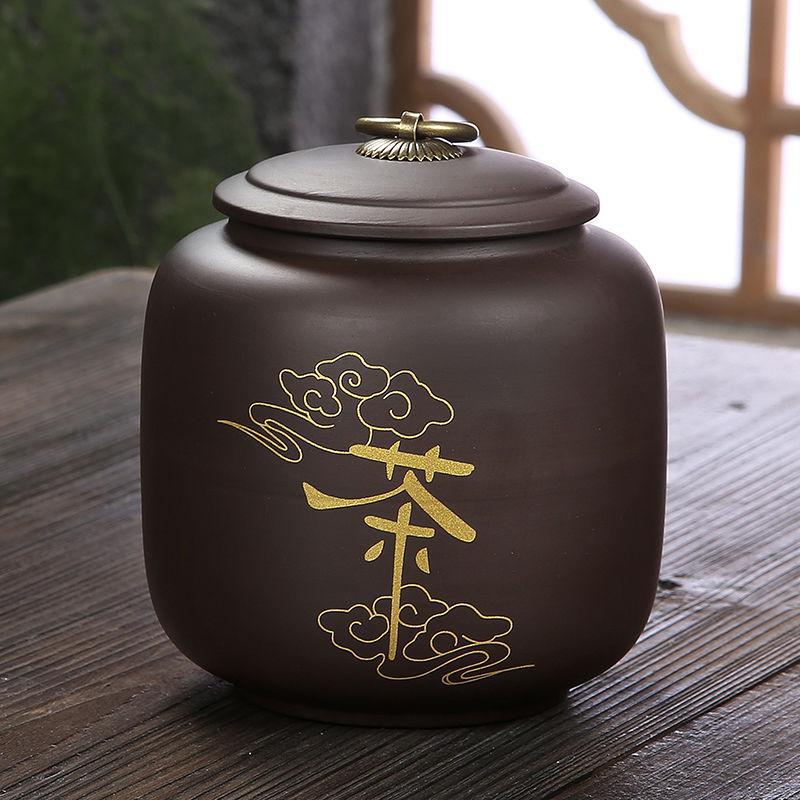
3. Practical Containers & Tools for Loose Leaf Tea Storage
Tin Cans: Durable, light-blocking, and good for many tea types.
Ceramic Jars / Porcelain: Traditional, often with good seals. Avoid glazed jars with strong odors.
Purple Clay (Zisha) Jars: Popular for aging certain teas, but must be used carefully (they can absorb aromas).
Vacuum Seal Bags / Machines: Good for long-term loose leaf tea storage. Also make sure don’t put the bags under the light. For puer tea, some proper air flow is needed once in a while.
Small Inner Bags/Packets: For portioning and reducing repeated exposure.
Packing tips: label each container with the tea name, harvest date, and any storage notes.
4. Tea-Type Specific Loose Leaf Tea Storage
To know more about the 7 kinds of Chinese tea, you can read:Discover the 6 Types of Chinese Tea: A Complete Guide
4.1 Green Tea & Yellow Tea
Highly aromatic; aroma and color degrade quickly.
Best practice: Keep in small airtight packs; refrigerate at 0–5°C if you expect to keep beyond a few weeks. Let refrigerated tea return to room temperature in a sealed container before opening to avoid condensation.
Shelf life: Best within 6–12 months.
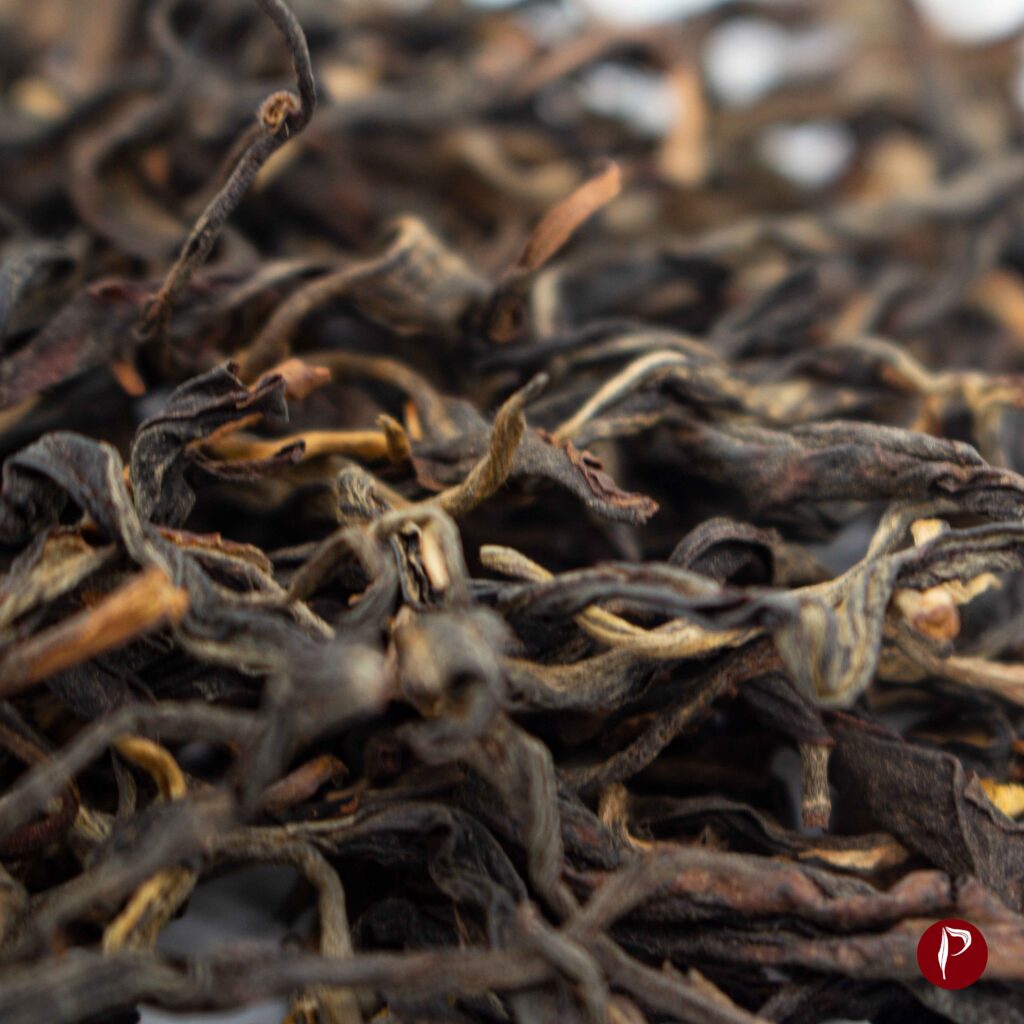
4.2 Black Tea (Red Tea)
More stable due to full oxidation.
Best practice: Store at room temperature in airtight, opaque containers. Avoid high heat sources.
Shelf life: Regular black tea ~1–3 years depending on processing; sun-dried styles may last longer (up to ~5 years for some varieties).
4.3 Oolong Tea
Light roast oolong: Keep refrigerated or in cool storage; best within ~3 years.
Heavy roast oolong: Better stability at room temperature; consume within ~5 years for peak freshness, though some roasted varieties age interestingly.
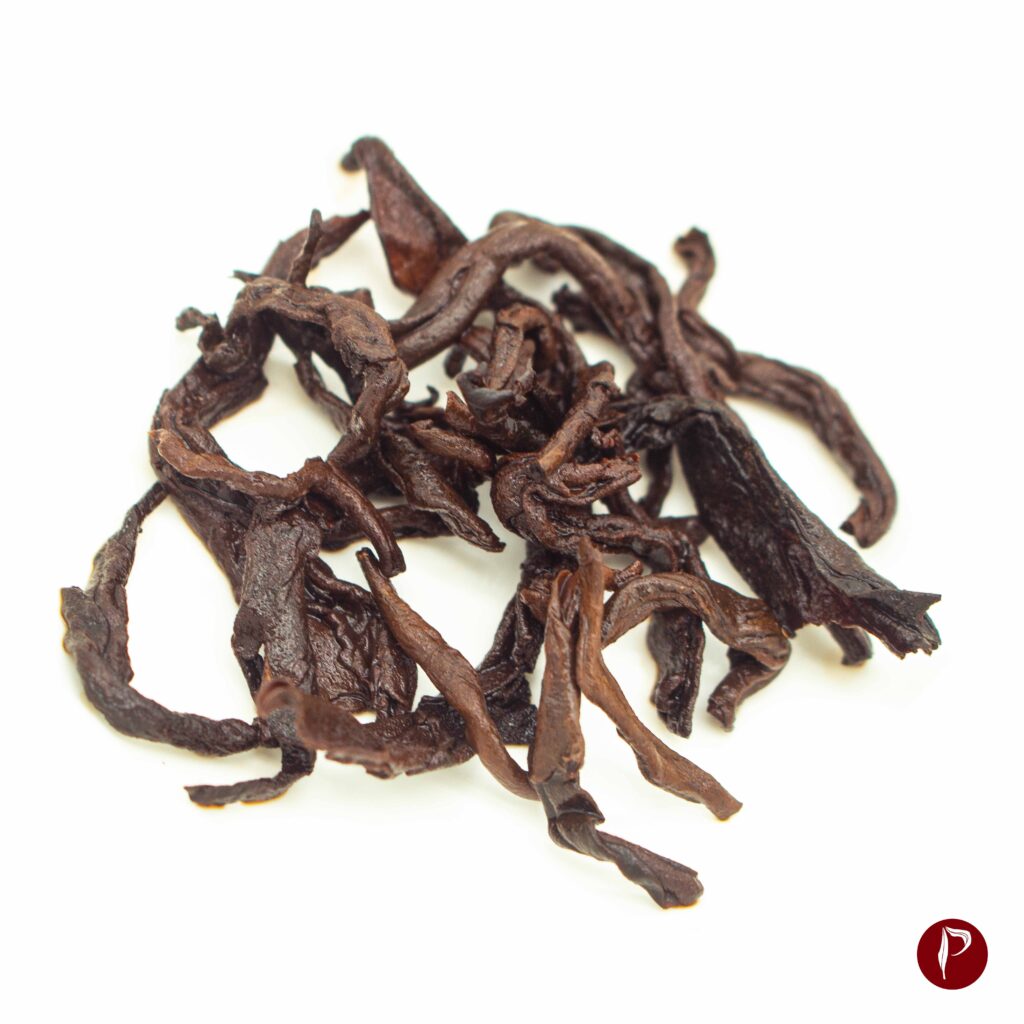
4.4 White Tea & Dark Tea (Hei Cha )& Raw Puer & Ripe Puer
Ideal for aging—flavor often improves.
Best practice: Store in breathable but protected containers (for puer, controlled airflow and stable humidity help fermentation). Avoid strong external smells and excessive humidity.
Shelf life: Indefinite for high-quality samples with proper conditions; these benefit from long-term storage.
5. Step-by-Step Guide for Long-Term Loose Leaf Tea Storage (Up to 10+ years)
Select high-quality teas — only premium loose leaf teas are worth for very long-term storage. Basic loose leaf tea should drink it up as soon as possible.
Dry and cool the room — aim for <60% relative humidity and 10–20°C if possible.
Use suitable packaging — vacuum-seal or use airtight tins with desiccants for non-aging teas; for puer and certain dark teas, use breathable packaging and controlled storage.
Label everything — record tea type, harvest year, vendor, and date sealed.
Separate by type — do not mix tea varieties in the same container.
Monitor occasionally — check for any signs of moisture, mold, or off-odors.
Rotate small portions into daily-use jars — to keep the large stash unopened as long as possible.
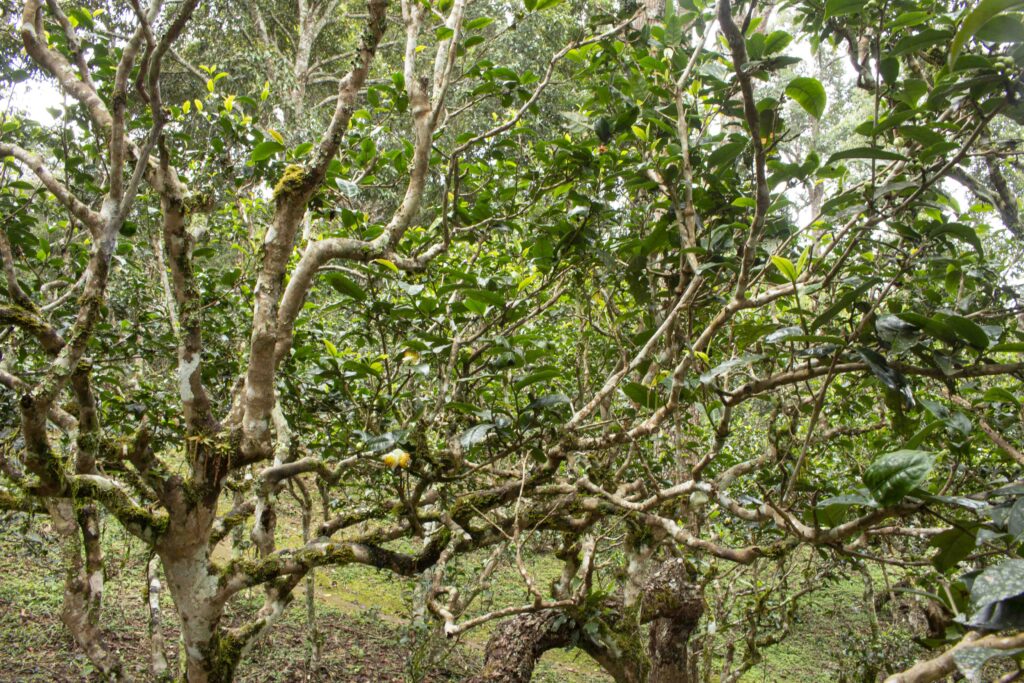
6. Buying Tips: Choose Teas Worth Storing
Source & Grade: Buy ancient tree tea, single-origin, whole-leaf, minimally processed high-grade tea.
Harvest Date: Fresher harvest dates are preferable for green and yellow teas; for aging teas, consider known production years. The best quality teas are only available in early spring, so make sure choosing the early spring harvest.
Processing: Heavily roasted or fermented teas often store differently—know the processing level. Make sure the tea is not over-roasted, and confirm that all the processing is done by skilled tea masters.
Taste Test First: Only invest in long-term storage if you like how the tea tastes now. When doing a taste test, try to sample as many infusions as possible and see how many brews the tea can last. In general, the more infusions it can produce, the higher the quality of the tea leaves.
Purcraftea choose only premiun quality tea leafs. All Purcraftea worth for long turn storage.
7. Common Mistakes in Loose Leaf Tea Storage
Storing tea in the fridge in unsealed containers (risk of moisture).
Keeping tea in the kitchen near spices or ovens.
Using low-quality, inexpensive tea for long-term aging.
Frequently opening a large container instead of portioning into smaller jars.
Storing different tea types together—causes flavor cross-contamination.
8. Quick Loose Leaf Tea Storage Checklist
Opaque, airtight container ready
Desiccant packets (if needed)
Labels & marker (date, type, origin)
Separate containers for different tea types
Small decant jars for daily use
Vacuum sealer / Mylar bags for long-term storage
9. FAQ — Loose Leaf Tea Storage
Q: Can I store all my loose leaf tea in the refrigerator?
A: No. Only delicate teas like green or some light oolongs benefit from refrigeration—and only if stored in airtight, odor-proof containers to prevent moisture and cross-odors.
Q: How long can I keep loose leaf tea unopened?
A: It depends: green/yellow tea 6–12 months; most black teas 1–3 years; some sun-dried black teas up to 5 years; oolong 2–3 years depending on style; high-quality white, dark, and pu-erh can be stored for many years and improve over time.
Q: Is vacuum sealing always the best method?
A: For many teas, vacuum sealing is excellent for preserving freshness. For teas intended to age (like certain pu-erh), controlled airflow and traditional storage methods may be preferred.
Q: How do I tell if loose leaf tea has gone bad?
A: Signs include mold, an off or musty smell, or a sour/astringent taste that was not present before. If mold is present, discard the tea.
10. Final Recommendations
For everyday enjoyment, buy only what you will drink within a reasonable timeframe and store it properly.
For collecting and aging, focus on high-grade white, dark, or specific black teas known to age well.
When in doubt, portion your tea into small airtight containers and limit how often you expose the bulk to air.
To learn more about the tea storage, you can find out from 5 Eco-Friendly Methods for Tea Storage
About Us