
What Are Tea Balls? A Guide to Easy Brew
In China, tea has always been much more than a beverage—it is a living cultural tradition, a craft, and a way of preserving nature’s aroma and character. For centuries, Chinese tea makers have transformed loose-leaf tea into different forms of compressed tea to improve storage, aging, transport, and brewing convenience. Among the most common shapes are tea cakes (375g or 200g), tea bricks (500g), small tea coins (3–7g), and the increasingly popular 6–8g tea balls.
Tea balls, in particular, have captured the attention of modern tea drinkers for their convenience, beauty, and remarkable brewing experience.
But what exactly are tea balls, and why have they become so beloved?
Let’s dive in.
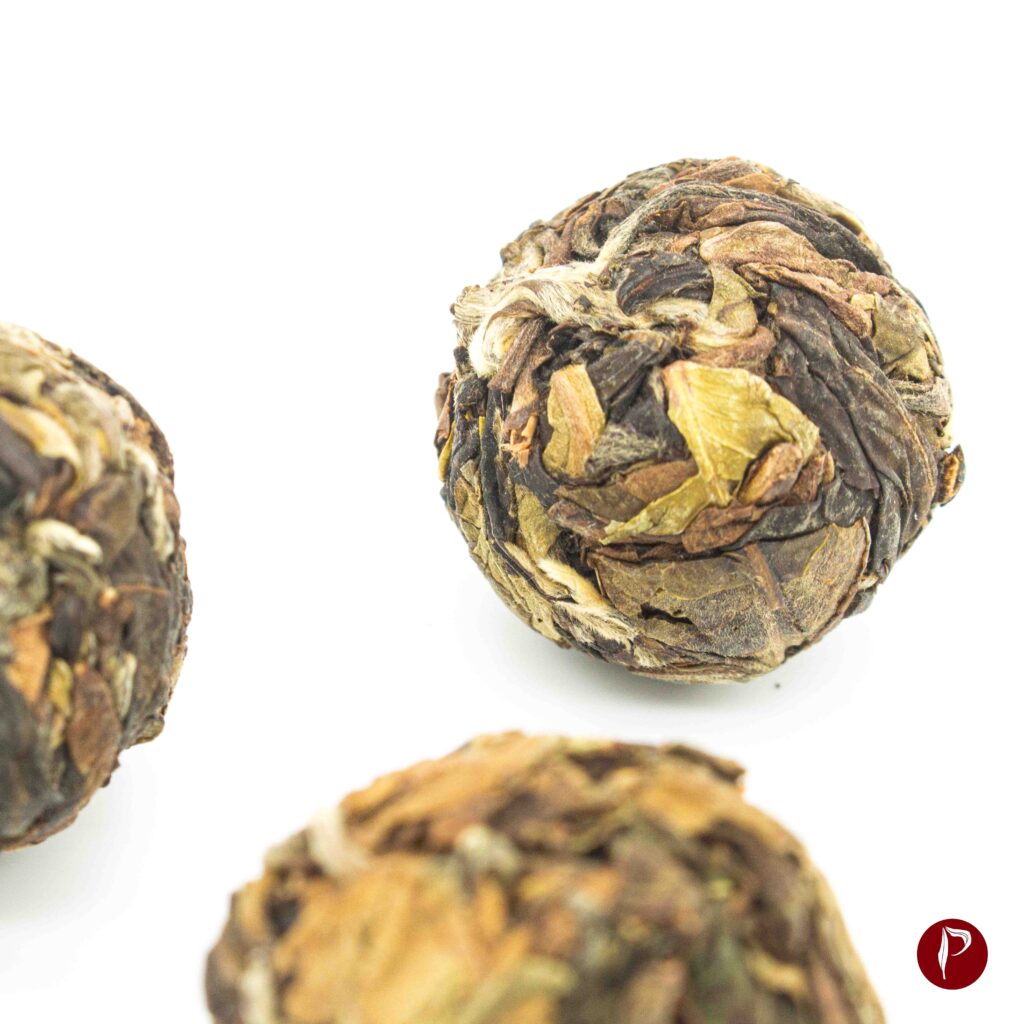
1. What Are Tea Balls?
Tea balls are small, handcrafted spheres of tea—usually weighing between 6 and 8 grams—that contain whole tea buds and intact leaves. They are made by softening the tea with steam and then hand-rolling it into a compact shape that preserves its integrity and beauty.
In China, tea balls are known as “Longzhu” (龙珠), wich means Dragon Balls.
1.1 Why the name “Dragon Balls”?
In Chinese culture, a dragon ball is a symbol of something rare, flawless, powerful, and precious—like a perfect gemstone.
Tea balls, with their elegant round form and artisanal craftsmanship, are considered just as precious. Their shape also resembles jade beads, which further enhances the cultural association of value and beauty.
1.2 Which types of tea can be made into tea balls?
Although any tea—white, green, oolong, black, or pu-erh—can technically be rolled into tea balls, not every tea is worth the labor.
Tea ball is generally made using teas that:
Age well over time
Develop deeper flavor layers during storage
Have large, intact leaves suitable for hand-rolling
This is why tea balls are most commonly made from:
Because the entire process is handmade and time-consuming, tea artisans prefer using high-quality leaves that will truly shine in ball form.
2. How Tea Balls Are Made
The making of tea balls may appear simple at a glance, but every step requires experience, precision, and careful attention. A well-made tea ball must hold its shape, age gracefully, and unfold beautifully during brewing.
Step-by-step production process
2.1 Selecting the leaves
Tea makers begin with high-quality dried tea.
They remove:
Yellow leaves
Stems
Broken pieces
Only buds and fully intact leaves remain.
This ensures the final tea ball has clean flavor, rich aroma, and beautiful leaf shape when brewed.
2.2 Softening the leaves with steam
The tea is placed in a steamer for a short period—just long enough to soften it without soaking.
This step makes the leaves flexible and easier to roll, but still dry enough to prevent mold and protect long-term storage.
2.3 Weighing the tea
Each ball is weighed precisely.
Most tea balls weigh 6–8 grams, depending on the tea type and its density.
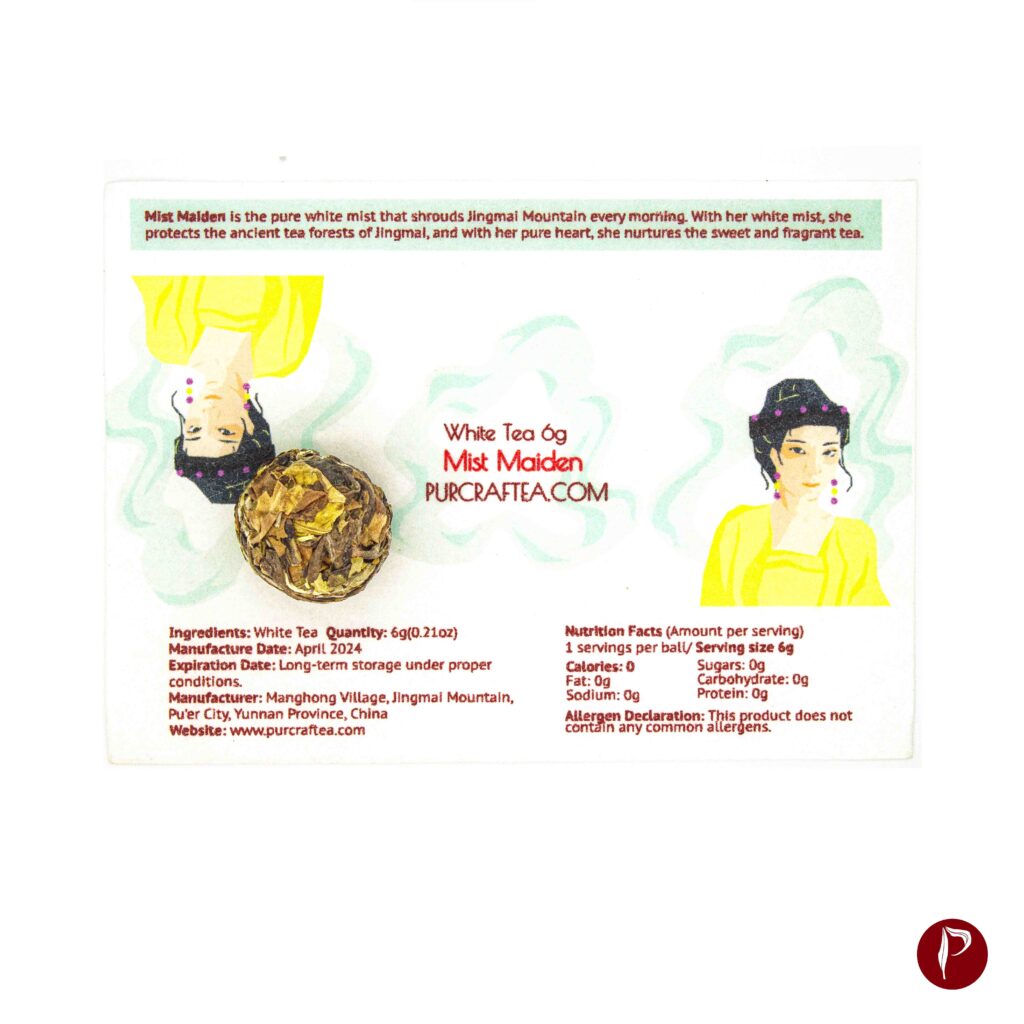
For example, Mist Maidan White Tea is rolled as a 6g ball because 6 grams is the ideal amount for a single brew.
2.4 Hand-rolling inside natural cotton cloth
The softened leaves are placed into a piece of natural cotton.
The artisan rolls the bundle gently but firmly until the tea forms a perfect sphere around 2 cm in diameter.
This step determines:
The tightness of the tea
How it brews later
How well it stores over time
2.5 Tying the cotton cloth
The ends of the cloth are tied tightly with string so the shape remains stable during drying.
2.6 Low-temperature drying
Tea balls are dried slowly and evenly at low heat to preserve flavor and prevent the leaves from becoming brittle.
Once fully dry, the cloth is removed, leaving a compact, aromatic tea sphere.
Because this process is entirely handcrafted, no two balls will look exactly alike—which is part of their charm and authenticity.
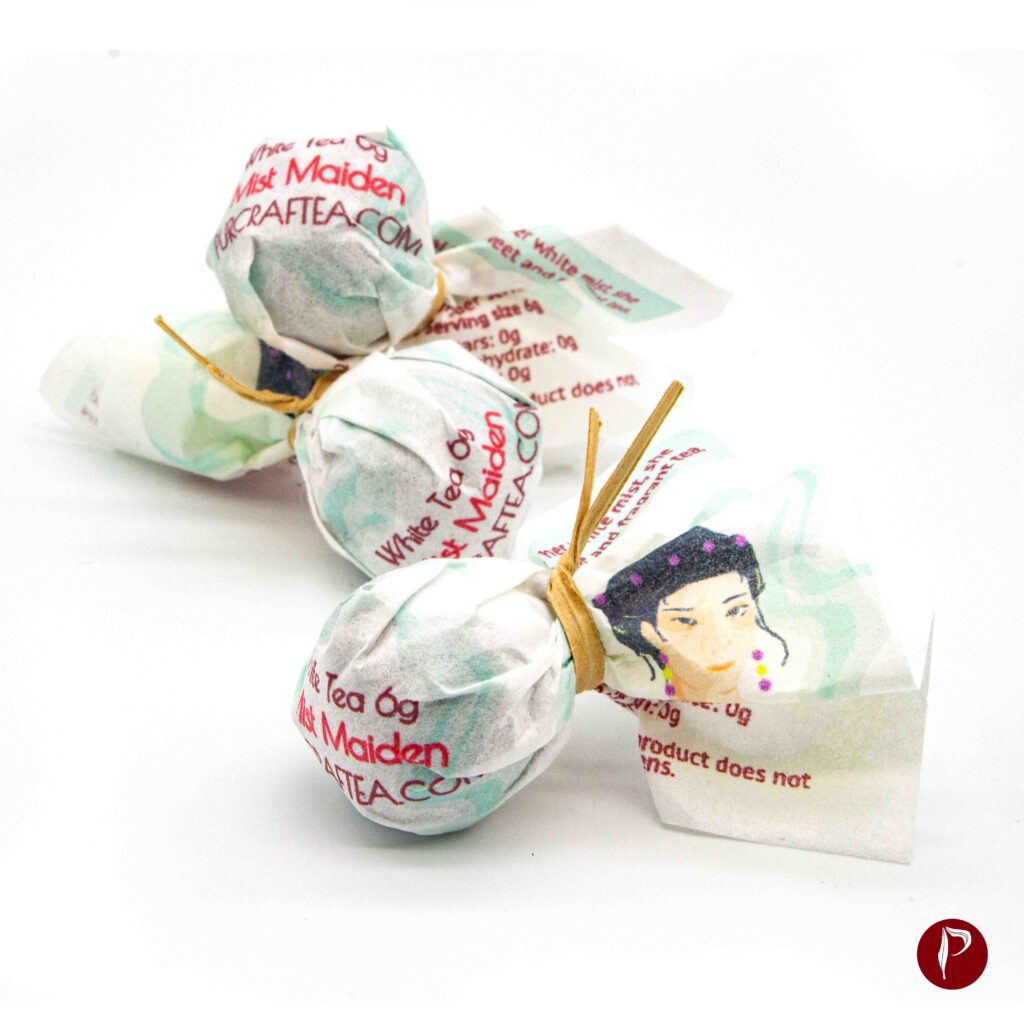
3. Why Make Tea Balls?
Dragon balls have become popular not only in China but also among Western tea drinkers who value convenience without compromising quality. Here are the main reasons:
3.1 One of the easiest brewing formats
Each tea ball = one brewing session
No measuring.
No breaking apart cakes.
No estimating leaf quantity.
Simply drop one ball into the teapot and pour hot water.
3.2 Maximum protection of whole leaves
Loose tea is fragile and breaks easily.
Tea cakes require prying, which can damage leaves.
Tea balls avoid both issues.
The leaves inside remain:
Whole
Unbroken
Beautiful to observe
Whole leaves brew with:
Smoother mouthfeel
More layers
Higher sweetness
Less bitterness
3.3 Ideal for long-term storage and aging
Compared with loose tea, tea ball:
Take less space
Resist excessive oxidation
Maintain stable shape
Age evenly
Develop deeper aroma over the years
This makes them perfect for collectors and long-term tea drinkers.
3.4 Extremely convenient for travel and everyday use
Dragon balls are strong and portable.
Whether you’re at:
Work
A hotel
On a road trip
Outdoors
At a friend’s house
You can carry just one or two tea balls and enjoy high-quality tea anywhere.
3.5 Beautiful and calming to watch during brewing
Because dragon balls are hand-pressed—not machine-compressed—they are not overly tight.
During brewing, they open slowly and gracefully, like a flower blooming underwater.
Many people find this process relaxing and aesthetically pleasing—an added ritual that elevates the tea experience.
4. How to Brew Tea Balls
Brewing tea balls is simple and beginner-friendly. Their shape makes them easy to handle, and their loose compression allows for fast flavor release. The steps are similar to brewing puerh tea.
Step-by-step brewing
Step 1: Place the tea ball in the teapot or gaiwan
Rinsing cups or warming the teapot or gaiwan is optional.
Step 2: Add hot water (90–100°C)
White tea dragon ball:
Let the first infusion steep for 1 minute.All other tea types:
After 5 seconds, pour out the first infusion to rinse and awaken the leaves.
Step 3: Brew the second infusion
Add water again.
Steep for 5 seconds, then pour into a fairness pitcher (gong dao bei) to ensure consistent flavor for everyone.
Step 4: Continue brewing
Repeat the process.
Once the tea becomes lighter, gradually increase steep time.
Continue until the flavor becomes faint.
Final Thoughts
Tea balls represent the perfect balance between tradition and modern convenience. They preserve the integrity of whole leaves, offer a smooth and flavorful brew, and make tea drinking easy for beginners and experienced drinkers alike. Their portability, beauty, and brewing simplicity make them one of the most enjoyable and practical tea formats available today.
Whether you’re exploring Chinese tea culture, collecting aging teas, or looking for a simple way to enjoy premium tea at home or on the go, tea balls are a delightful choice worth experiencing.
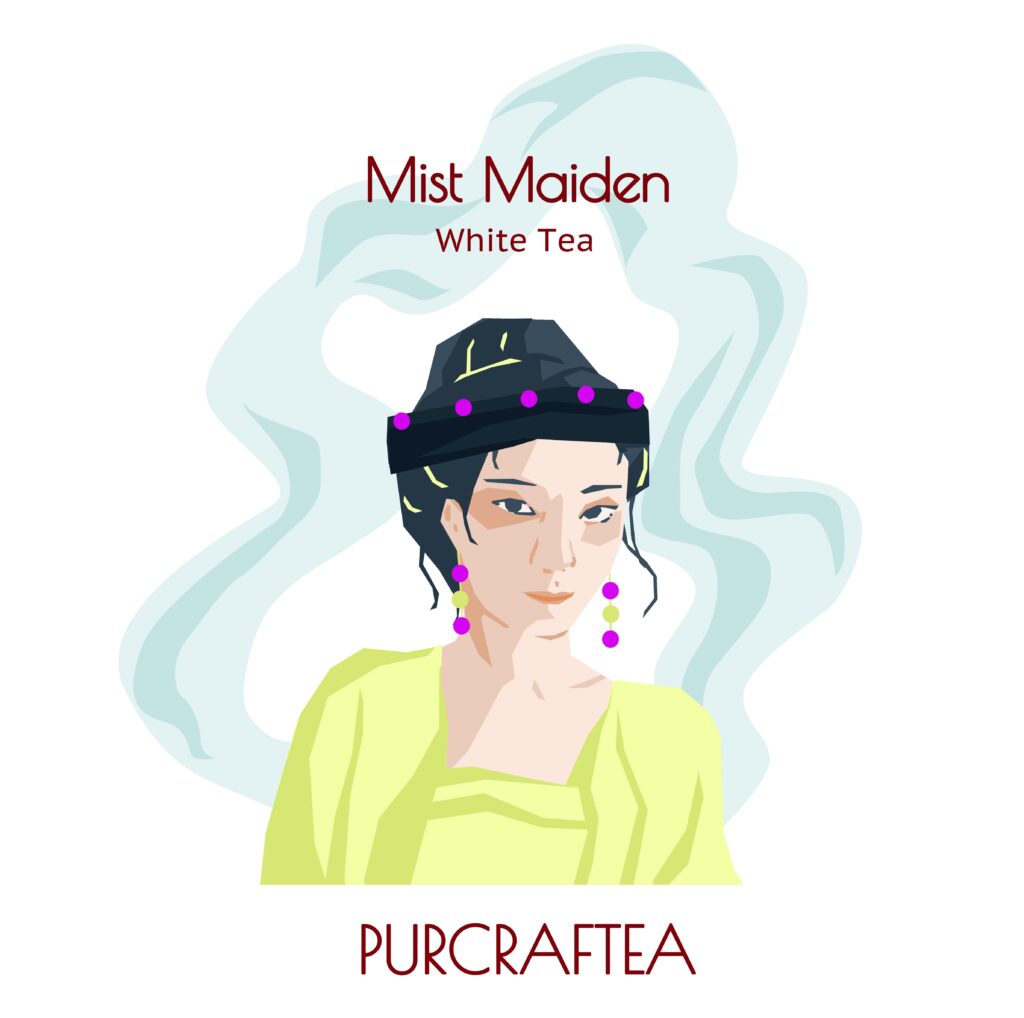
Try tea balls now at Purcraftea! Mist Maiden Dragon Ball White Tea.
About Us