
An In-depth Examination of Two Distinct Stimulants
update: 2026-03-09
The Economic Rise of Puer Tea and Coffee
A report from Intel Market Research estimates that the U.S. Pu’er tea market was valued at USD 168.5 million in 2025 and is projected to reach USD 285.6 million by 2032. In the tea industry, direct-to-consumer sales channels grew 125% between 2020-2025, reflecting shifting purchasing behaviors among tea enthusiasts. This figure represents both the raw (natural fermentation) and ripe (accelerated fermentation) kinds. The report highlights that the premium & aged pu erh tea segment is growing quickly. But the size of the U.S. market for Pu’er is still relatively small compared to the total U.S. tea market.
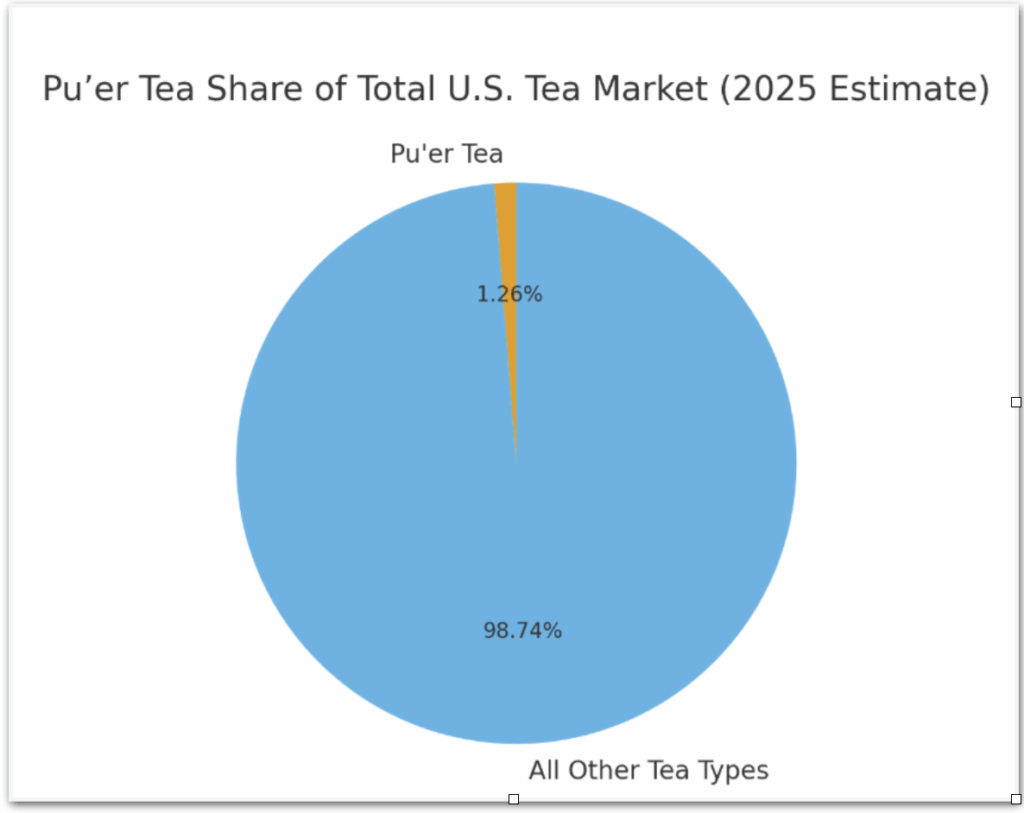
In stark contrast, the National Coffee Association claims that the coffee market is valued around USD 343 billion as of 2022.
The National Coffee Association report goes on to say, “the coffee industry is responsible for more than 2.2 million U.S. jobs and generates more than $100 billion in wages per year.” Additionally consumers actually spend around $300 million dollars on coffee per day! This is more than the annual dollars spent on puer tea.
So, the stage Pu’er tea is in today (2020s) is small but rapidly growing, connoisseur-driven, and focused on origin and craftsmanship. It is roughly equivalent to where specialty coffee was in the 1980s, before specialty coffee went mainstream. It was at this time where we saw a large shift from mass-produced, commodity coffee (the “first wave”) to a culture focused on quality, origin, and the café experience (the “second wave”). Puer tea is following the same trend moving from a niche, artisanal product to a popular, widespread, and “cool” cultural trend.
Understanding Puer tea and Coffee Historical Popularity
Historically from the time of 17th century England, Coffeehouses emerged as meeting places for thinkers, writers, merchants, and revolutionaries — giving coffee a social and intellectual aura. Mass production of coffee was reached with the invention of instant and canned coffee in the early 20th century which made it affordable and accessible globally. Then coffee culture became popular througha shift in consumer perception. NewberrySt Blog mentions the 1980s as a ‘second wave’ shift towards Coffee shops and cafes, which became gathering places for social interactions.
Puer tea’s rise in popularity came as it spread beyond Yunnan through ancient trade routes, most notably the Tea Horse Road (Chamadao) during the Tang and Song dynasties (7th–13th centuries). Along these rugged mountain paths, compressed tea cakes were transported by caravan to Tibet, Sichuan, and Southeast Asia. Pu’erh was valued not only as a practical trade good but also as an imperial tribute tea presented to Chinese emperors.
As demand for aged raw (sheng) pu’erh grew throughout the 20th century (particularly in Hong Kong and Southeast Asia) producers developed ripe (shou) pu’erh in the 1970s. Using a controlled fermentation process known as wo dui (wet piling), tea makers could accelerate natural aging from decades to just a few weeks. This innovation helped meet rising demand and made puer more affordable and accessible for global markets.
Puer first arrived in the United States in the late 19th century with Chinese immigrants, especially Cantonese railroad workers who brought their tea traditions with them. However, it remained mostly within Chinese-American communities until the 1990s and early 2000s, when specialty tea shops and merchants from Hong Kong and Taiwan began introducing aged puer to Western audiences.
Today, puer continues to gain popularity in the U.S., particularly among coffee drinkers and tea enthusiasts drawn to its deep, earthy flavor, digestive benefits, and calming yet energizing “body feel.”
The Comparison of Modern Cultural Daily Rituals
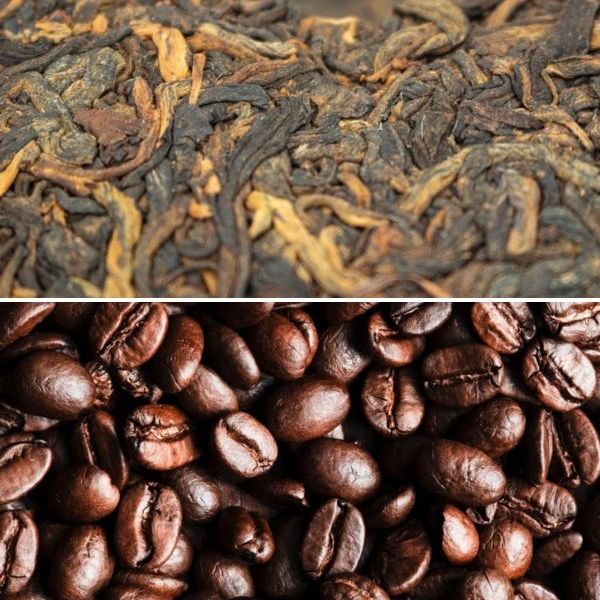
In today’s modern global cultural world, coffee is represented and perceived by industrial modernity: fuel, productivity, energy, and efficiency. We also see an increased interest in experimental processing methods, alternative brewing techniques, and a deeper exploration of coffee from different origins and microclimates.
Puer on the other hand represents post-modern wellness: awareness, balance, nature, and authenticity. In western and more notably Chinese culture, Pu’er tea offers the slow unfolding of flavor over multiple steeps, a ritual that rewards patience. Traditionally puer is experienced through a Gongfu tea ceremony, but in modern times, puer can be found in consumer’s bubble tea daily rituals.
Looking Through the Physiological Lens
Raw Puer tea and coffee are both caffeine heavy drinks. The ripe puer variety is lower on the caffeine scale. Coffee caffeine is high and fast. There’s usually a strong stimulant followed by a crash. Puer tea is a moderate, slower-releasing caffeine providing steady alertness and calm clarity throughout the day. It also contains L-theanine, an amino acid that can help lower stress by dissolving cortisol.
Flavor Profiles: A Taste Test
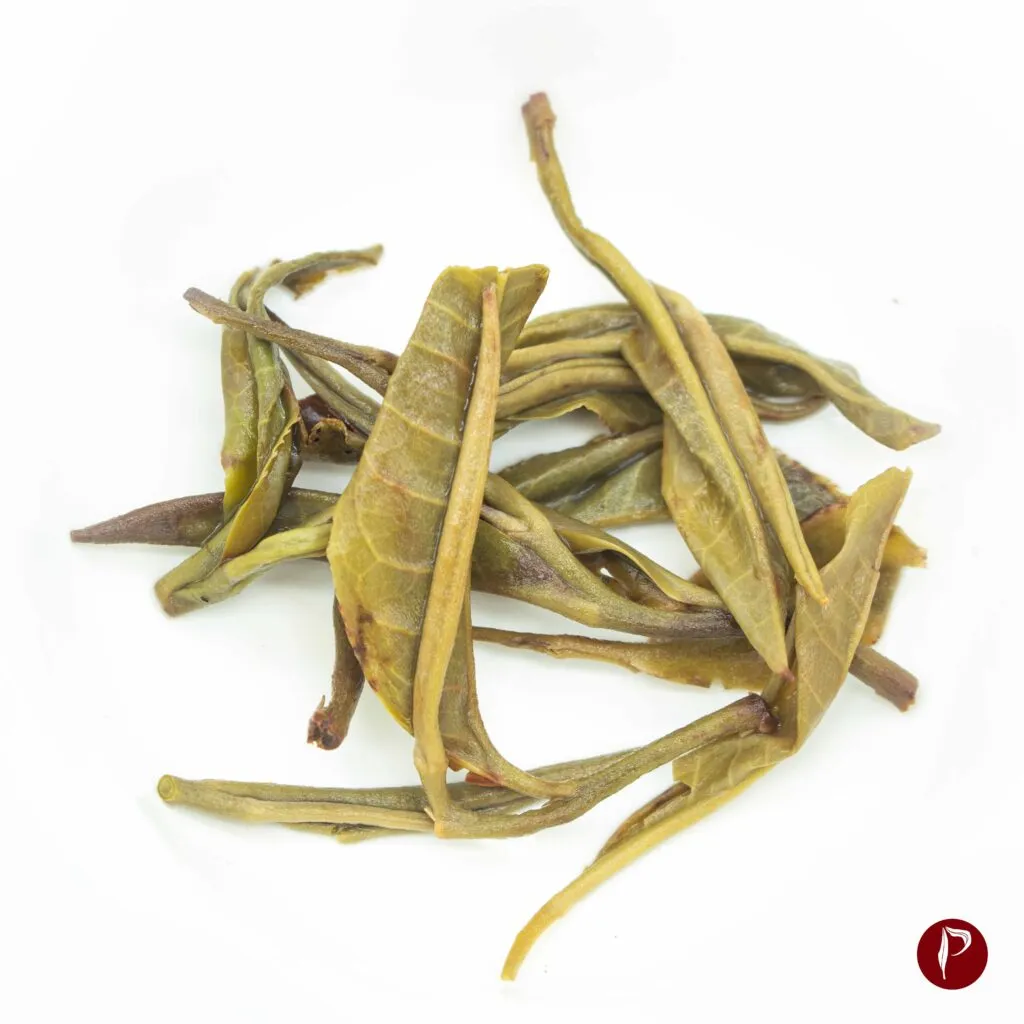
Theres a stark contrast in taste between puer tea and coffee, and really cannot be fully compared. Raw puer offers a brighter, more vegetal, and astringent profile compared to coffee’s dark roasted, bitter, and nutty notes.
High-quality sheng Pu’er has a depth and harmony that set it apart from ordinary tea. The first sip opens with a bright, lively grassy floral taste that quickly balances a gentle bitterness. Its aroma layers unfold with each steeping: wild honey and orchid aftertaste.
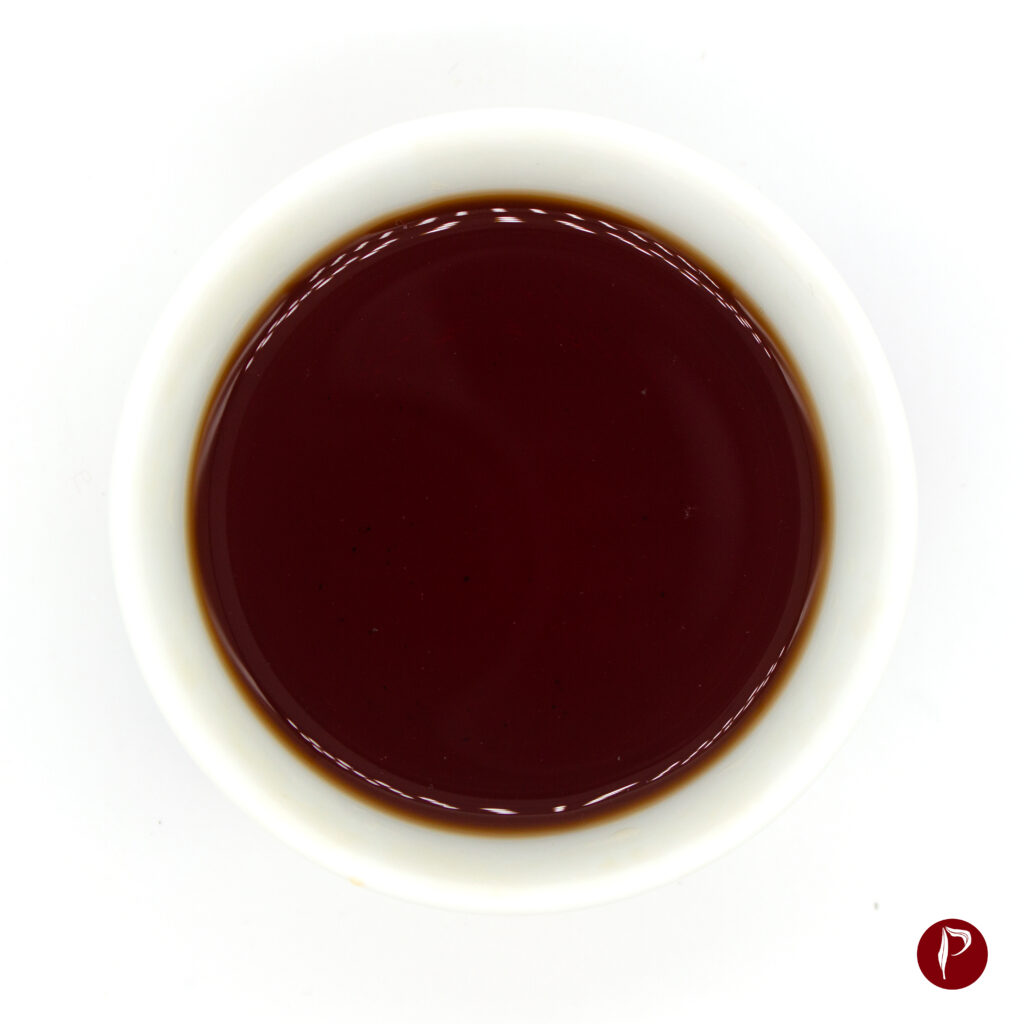
Ripe puer tea and coffee are similar because of their deep, dark liquor, full body, and comforting richness in the cup. When brewed, ripe puer produces a dark black infusion with a thick, velvety mouthfeel that coats the palate. The flavor profile tends to be earthy and grounding, often revealing layered notes of cocoa, aged wood, roasted nuts, dark grains, and sometimes a subtle sweetness reminiscent of molasses or dried date or plum.
Puer tea and coffee both deliver a bold and satisfying experience that feels substantial rather than delicate. However, the comparison usually stops there. Unlike many coffees, ripe Pu’erh is naturally low in acidity and rarely sharp or bitter when brewed properly. Instead, it offers a smoother, rounder taste with gentle tannins and a calming character. The result is a rich, roasted, full-bodied beverage that provides depth and warmth while remaining easy on the stomach and pleasant to drink throughout the colder months and evenings.
Caffeine Content: Puer Tea and Coffee
Examining Caffeine Levels
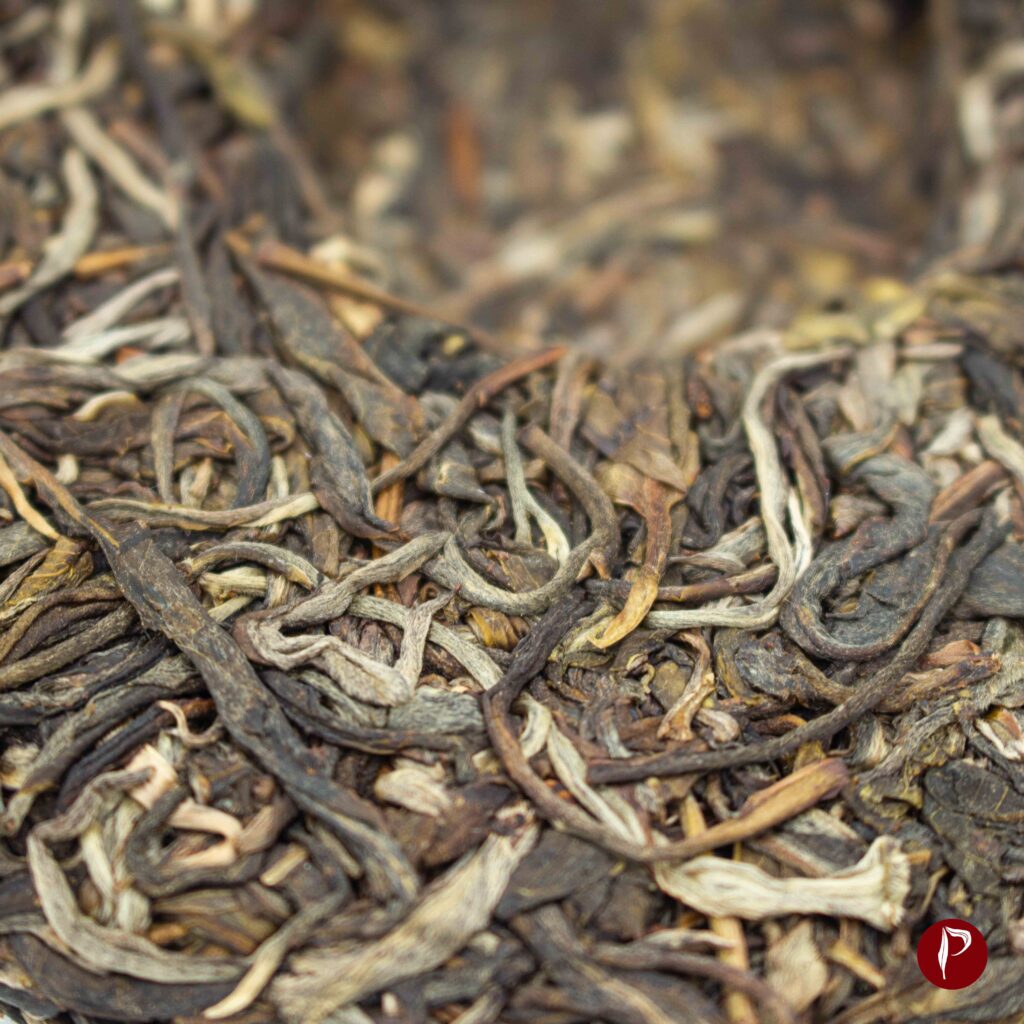
One of the barriers of non tea drinkers switching over from coffee is the feeling they have that tea just doesn’t give one the kick of energy that one receives from coffee. And who is to blame? Most Americans are used to drinking crushed and beaten shredded tea bag leaves. This can be a major turn off for some.
How much caffeine is in puer tea and cofffee anyway? For our examination of caffeine in puer tea and coffee, I’ll be using the standard U.S. measurement of 8oz, or 240 ml, typically found in a cup of coffee. The difference between Sheng (raw) and Shu (ripe) puer is minimal (about 10 mg), so in this blog post I’ll be referring to puer as both types. However raw puer does have more caffeine overall and can be noticeable in drinking larger amounts of tea.
In Brewed coffee (drip or pour-over), the overall caffeine content is 90-140 mg of caffeine. Espresso has 60-80 mg of coffee, and puer tea loses some of its caffeine content over subsequent steeps, with the first infusion having the most with 30-70 mg.
For more information on caffeine found in all 6 Chinese tea types, head on over to this blog post.
Effects of Caffeine on the Body
Even though Pu’erh can have half or less of coffee’s caffeine, its effect can feel smoother and more relaxed because tea contains L-theanine, which moderates caffeine’s effect. Puer (especially aged ripe puer) releases caffeine more gradually, and has less caffeine potential.
When coffee is drank, there is a fast, sharp stimulation of shorter duration. This is possibly why people desire a lot of coffee per day, because that stimulation wears off fast, like a crash. Puer on the otherhand, releases a gentle, steady energy which results in calmer focus. Puer tea (raw puer) and coffee both have similar effects during overconsumption so drink both in moderation:
- Restlessness, anxiety, or jitteriness
- Rapid heartbeat or palpitations
- Insomnia or shallow sleep
- Stomach irritation, acid reflux
- Frequent urination or mild dehydration (moreso with coffee)
- Headaches (either from too much or withdrawal)
Social Aspects: Community and Ritual
Tea Culture vs. Coffee Culture
Society chooses many ways to consume puer tea and coffee. As mentioned earlier, tea culture, especially around China focuses on ritual, reflection, and shared mindfulness, often centered on slow brewing, conversation, and appreciation of subtle differences in taste and origin.
Coffee culture leans toward energy, creativity, and social connection, thriving in cafés and workspaces where people gather for conversation and exchange of ideas. Tea culture invites calm community and reflection, while coffee culture fosters interaction and productivity.

Building Connections Over Beverages
Both tea and coffee bring people together through conversation and bonding. Tea gatherings often create intimate, reflective connections, inviting participants to slow down and engage mindfully with one another. Coffee meetups, on the other hand, spark lively social energy, connecting people through collaboration, creativity, and the comfort of a shared routine.
If puerh tea were to start replacing coffee drinking habits, here are the groups most likely to be affected:
- Health-minded professionals seeking sustainable focus.
- Meditation and yoga communities.
- Artists and creators drawn to sensory ritual.
- Ex-coffee drinkers who want clarity without jitters.
Conclusion: Making the Choice
Finding Your Perfect Brew
Finding your perfect brew depends on personal preference. Puer tea is slow release caffeine and coffee is fast spike. Puer is smooth with less crash. Raw Puer is loaded with EGCG whilst coffee is more acidic and can irritate the stomach. Puer has low acidity and is easier on digestion, especially ripe puer (fermented). Puer tea and coffee both have high antioxidants. Puer tea and coffee have been known to boost metabolism and fat oxidation. Both can enhance fat burning workouts. Just monitor those tickers people.
Encouraging Exploration of Both Beverages
By switching to Chinese tea and puer, it doesn’t mean you need to give up coffee. I still have a cup of coffee sometimes before work, but when I dive into ripe puerh Chinese tea, it feels like the ultimate reward, like reaching the top of the summit after a hard day’s work. I am also totally fine with switching out my coffee routine in the morning to tea, often through a tea filter bottle. Which culture do you prefer. Feel free to weigh in in the comments below.
To learn more from an ancient Yin Yang belief system on how to align tea with your body read the Yin Yang Approach to choosing Tea:
Yin Yang Approach to Choosing Tea
Be sure to purchase some puer tea in our shop below. We look forward to reading your reviews and comments on the site.
https://purcraftea.com/chinese-tea/puerh-tea/
About Us
Table of Contents
Toggle