
How to Use a Teapot: A Step-by-Step Guide for Perfect Tea
When it comes to making tea, many people wonder whether to use a teapot or a gaiwan. The truth is—there’s no absolute answer. Both have their own charm and advantages. A teapot is convenient and easy to handle, while a gaiwan offers more control over pouring speed and allows you to clearly observe the tea color and leaf expansion.
In Chinese tea culture, the teapot is often associated with elegance and patience. The rounded clay or porcelain body gently embraces the tea leaves, keeping the temperature stable and the flavor rich. Whether you are brewing puerh, black tea, or white tea, understanding how to use a teapot properly can help you unlock a deeper, more balanced taste experience.
1. How to Use a Teapot Step by Step
1.1. Warm the Teapot
Pour boiling water over the it to clean it and preheat it. This helps maintain a steady temperature during brewing and awakens the clay or porcelain’s natural aroma. A warm teaware also enhances the fragrance of the first infusion.
1.2. Rinse the Cups and Utensils
Pour the hot water from the teapot into your cups and other tea utensils. This step removes any unwanted odors and ensures that the tea flavor remains pure and smooth.
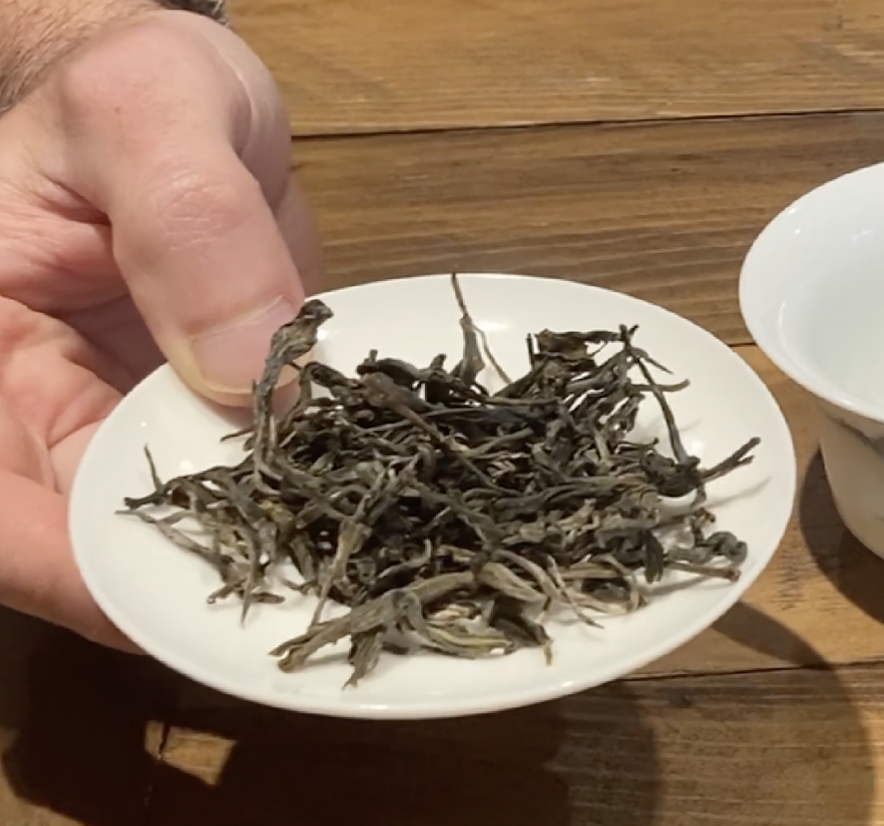
1.3. Add the Right Amount of Tea
Place an appropriate amount of tea into it:
Puerh tea: 6–8 g per 120 ml of water
Black tea, white tea, or Liu Bao tea: 6 g per 120 ml
Always use fresh, high-quality tea leaves. In our experience from Jingmai Mountain, older tea trees produce leaves with more aroma layers and natural sweetness, perfect for teapot brewing.
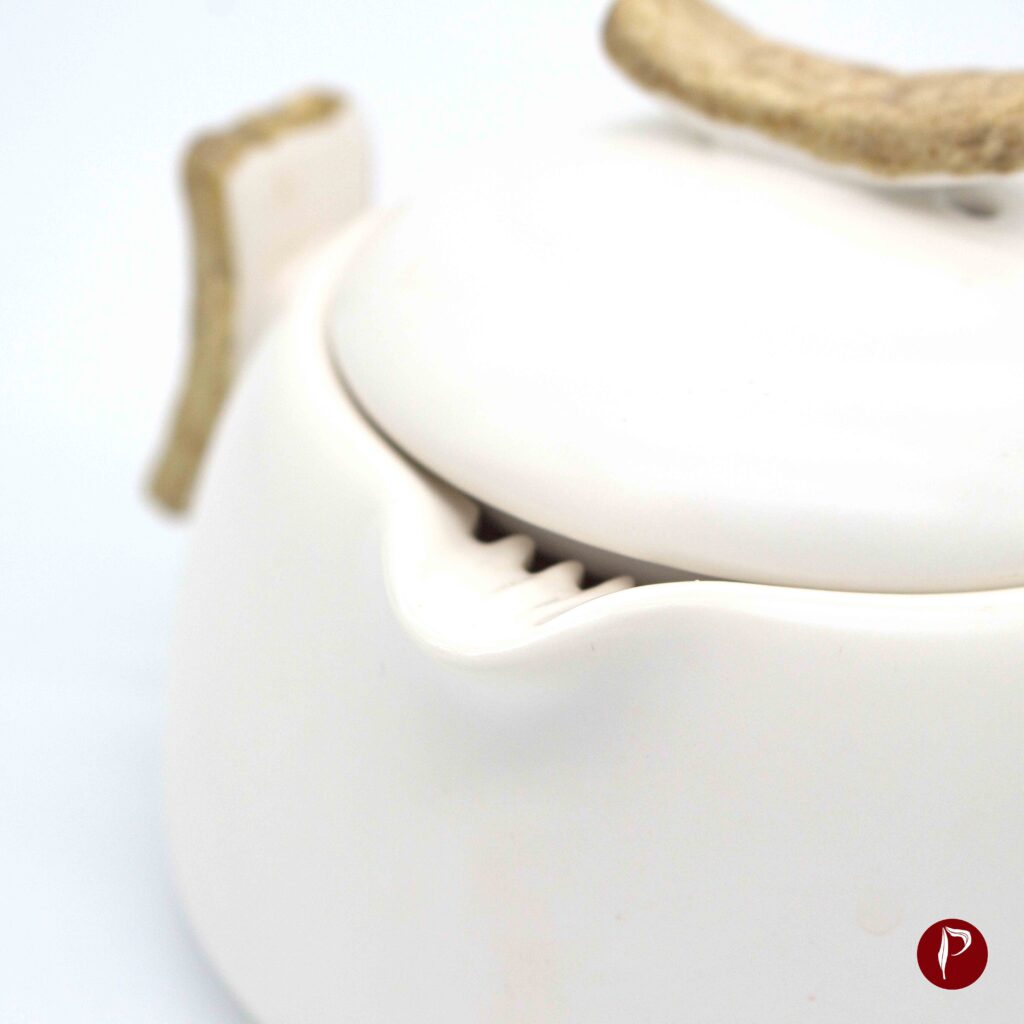
1.4. Pour Hot Water and Make the First Rinse
Use water between 90 °C and 100 °C (194 °F–212 °F). Gently pour it in and then quickly pour out the first infusion.
This step, often called “awaken the tea”, releases the dry leaves and removes dust from the drying process.
For white tea, let it steep for about 1 minute before pouring out, as it requires a bit more time to awake.
For more detail about brewing puerh tea, you can read: How to Brew Pu erh Tea Easily 1-Minute Guide
1.5. Brew and Enjoy
Refill with hot water and pour out the tea promptly—this is your first drinkable brew.
Take a moment to smell the aroma from the lid and spout; it often reveals the soul of the tea.
Repeat the steps—refilling, steeping, and pouring. You’ll notice how each infusion evolves: the aroma becomes softer, the sweetness deeper, and the texture smoother. When the tea liquor starts to fade, slightly increase the steeping time to extract the final essence of the leaves.
2. How to Make Teapot Brewing Simpler
Sometimes the full brewing process can feel a bit complicated. Fortunately, you can simplify it while keeping most of the flavor.
Skip Warming:
It helps aroma but isn’t mandatory. If you just want to enjoy tea casually, you can skip this step.Skip Rinsing the Cups:
As long as your tea set is clean and odor-free, this step can be omitted.
With these shortcuts, you only need three steps: add tea, pour water, and serve.
Simple, quick, and perfect for a busy afternoon tea session.
3. How to Clean a Teapot
Daily cleaning is very simple—just rinse with clean water and let it air dry. Avoid using soap or detergent, as they can affect the aroma of future brews.
Over time, especially when brewing black tea or ripe puerh, your teapot may develop a thin layer of tea stain or tea patina. This is normal and even appreciated by many tea drinkers.
If you prefer a spotless ones, you can remove the stains using lemon juice, toothpaste, or baking soda.
4. Why Using a Teapot Matters
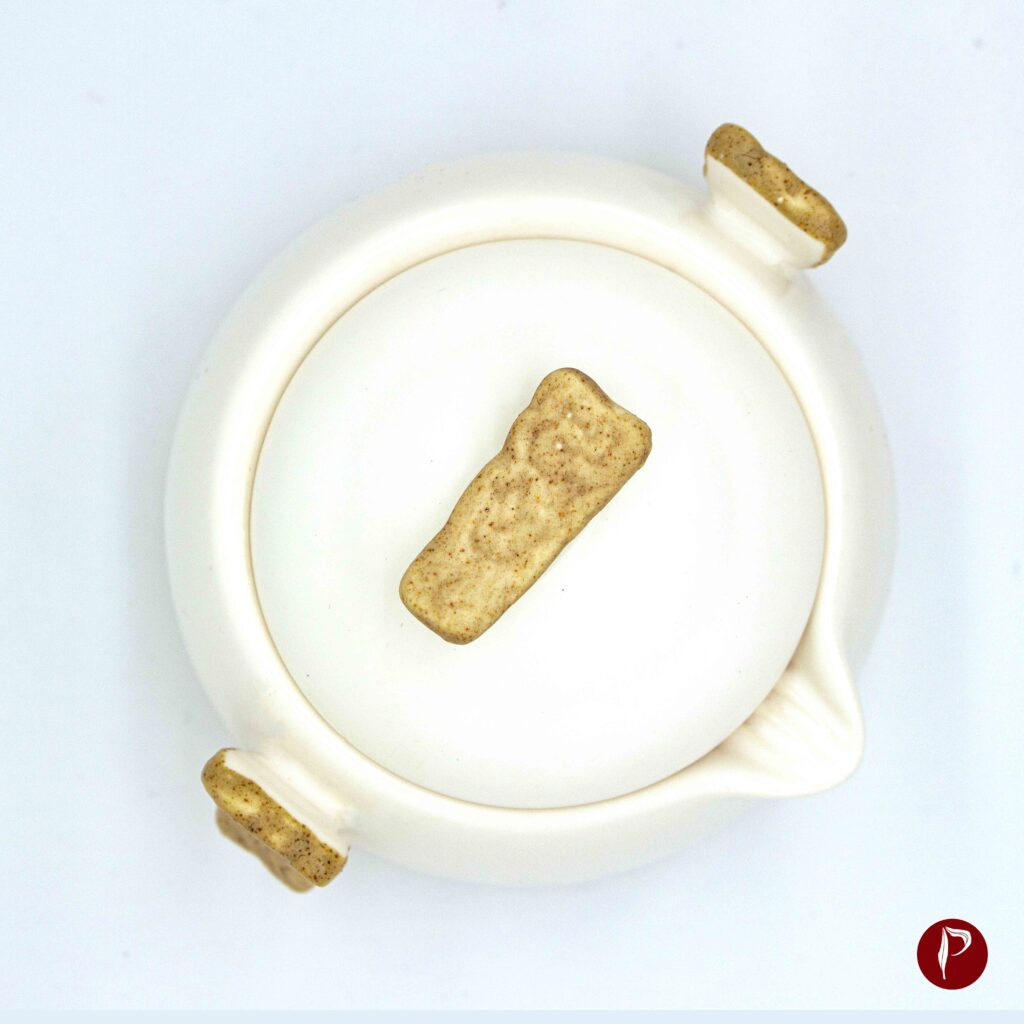
Using a teapot is not just a brewing method—it’s part of a mindful ritual. The sound of pouring water, the warmth of the pot in your hands, and the rising steam all calm the mind and engage the senses.
Compared to a gaiwan, a teapot holds heat better and offers a more rounded, mellow taste. It’s especially suitable for aged puerh, sun-dried black tea, and white tea dragon balls, which release aroma slowly and reveal multiple layers of sweetness.
When you learn how to use it you’re not just learning a technique—you’re embracing a centuries-old art of patience, precision, and harmony.
Final Thoughts
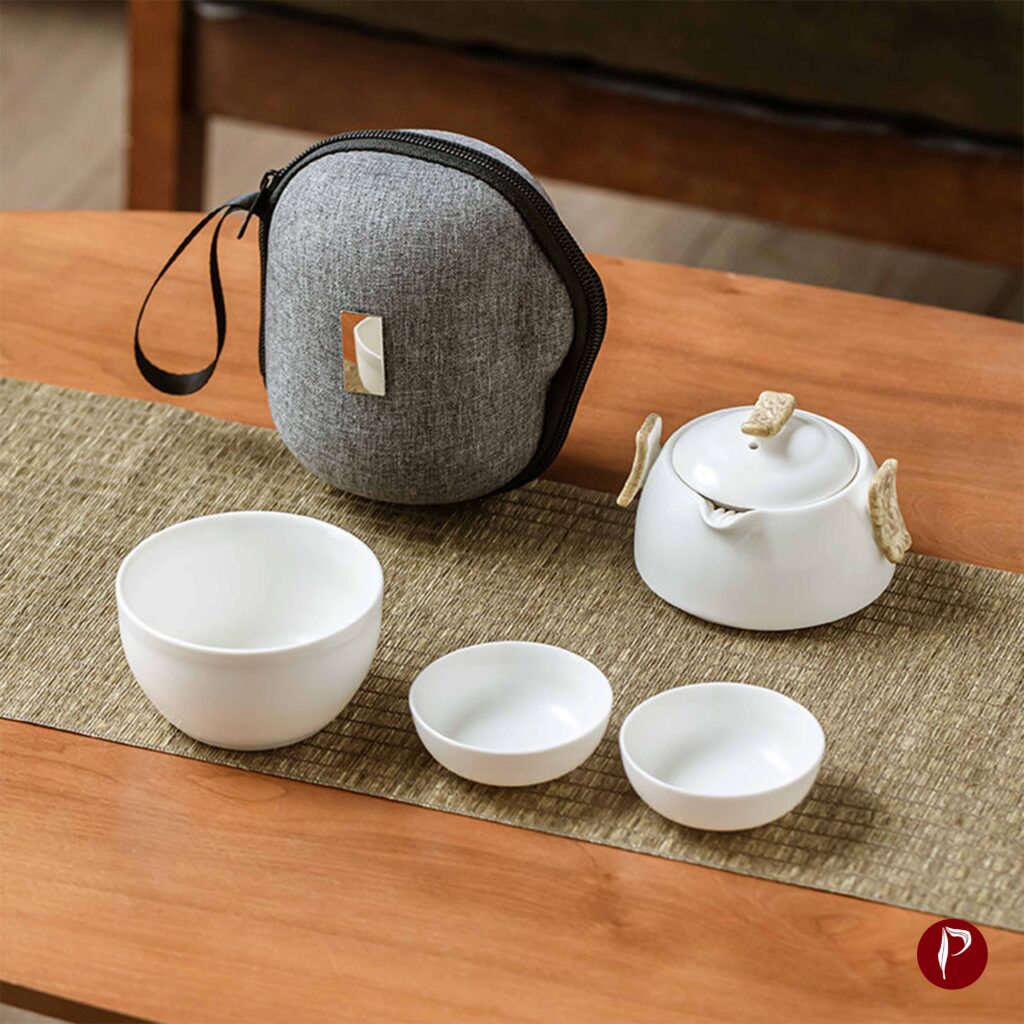
A teapot is more than just a vessel; it’s a bridge between nature and culture. From the gentle clay of Yixing to the porcelain of Jingdezhen, each of them carries the spirit of craftsmanship. Of course, if you want an easy-to-use teapot for daily brewing or for travel, there’s a wonderful choice for you. A casual tea set from Purcraftea is perfect for one to three people, whether you’re enjoying tea at home or outdoors.
Take your time. Watch the leaves dance in hot water. Smell the orchid-like aroma rising from your cup. This is the essence of good tea—simple, peaceful, and profoundly satisfying.
About Us