
About Purcraftea's Ethically Sourced, Farmer Direct Craft Tea
Our Motivation for Finding Ethically Sourced Tea
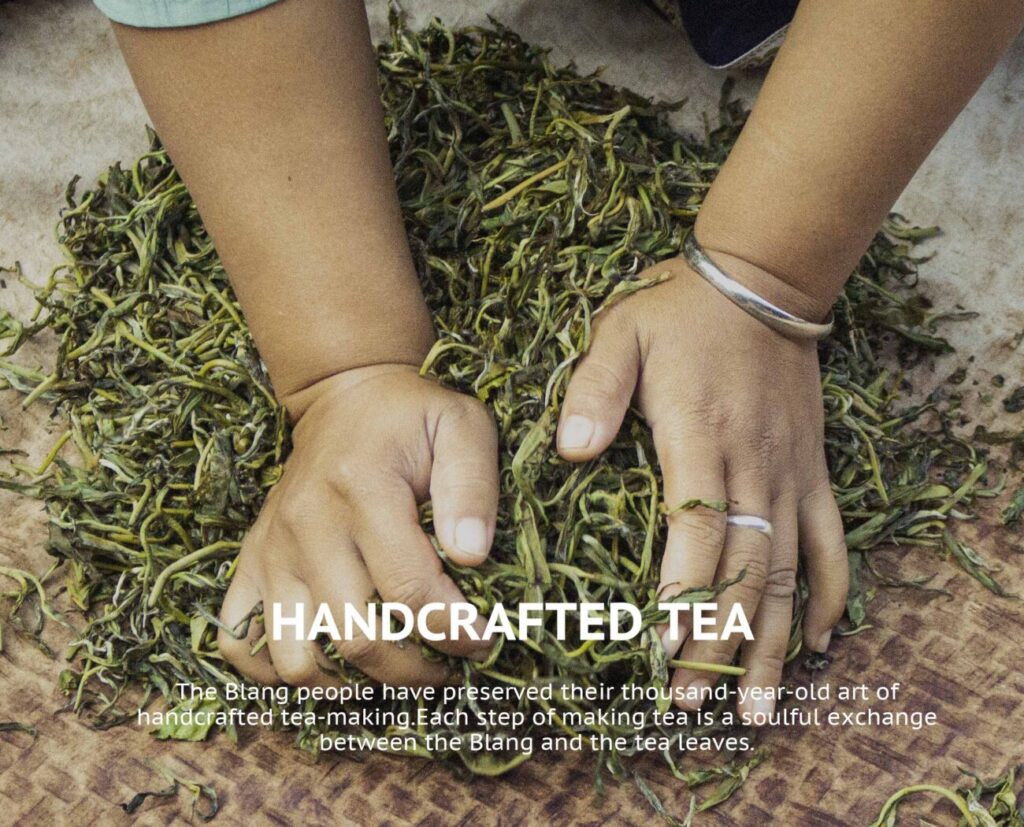
Our motivation for finding ethically sourced tea began in our time in Yunnan. After trying gushu or ancient tree tea, we were hooked on the complexity and supreme flavor profiles. We wondered how this tea could be so different from other teas we tried. After learning about some questionable practices of young terrace tree farms, we were convinced people needed a better option.
Our journey of discovering the best ethically sourced tea started as a search for the perfect Yunnan tea leaves around the bottom of Jingmai Mountain in the sleepy but bustling town of Huiminxiang 惠民哈尼族乡. There we discovered talented and experienced business owners and tea artisans who had developed relationships with the Blang Farmers, part of an ethnic minority group that has been crafting tea for 1800 years.
After trying their teas and even getting some hands on practice with the art of processing, my partner and I were ready to locate even better tea closer to the source, as high as we could go on Jingmai Mountain. Our mission, to acquire ethically sourced tea free of contaminates from farmer direct sources.
The Blang People: Guardians of Ancient Tea Traditions
History and Culture of the Blang People
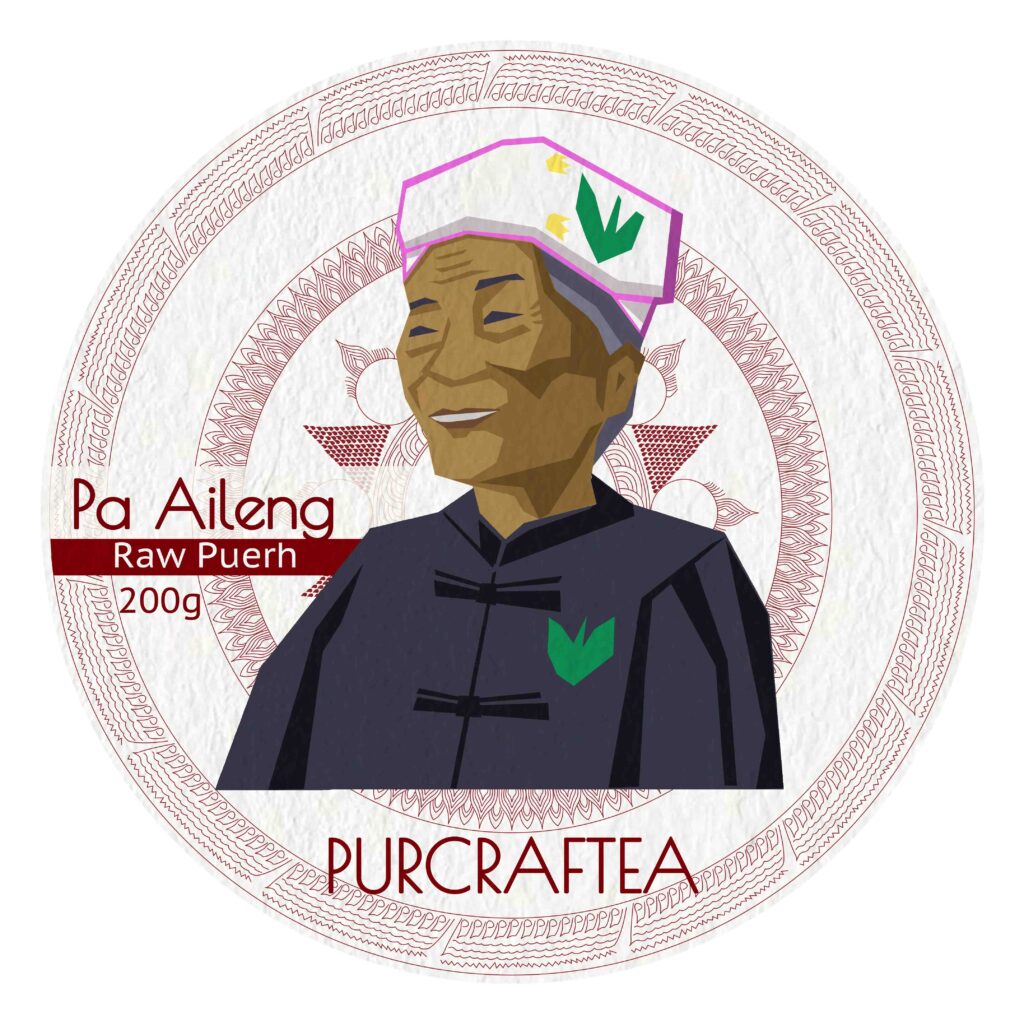
Pa Aileng, leader of the Blang people once was quoted saying to his people “cherish and protect tea trees as you would your own eyes.”
The Blang People, with a rich history rooted in the misty mountains of Southwest China and Southeast Asia, have preserved a vibrant cultural heritage characterized by intricate embroidery, traditional festivals, and a deep connection to nature. Their ancestral stories and ceremonial rituals like Songkran often intertwine with the local tea culture, making it a captivating journey for those curious about the world’s diverse traditions.
After arriving in Mangjing Shangzhai on my search for tea via a shuttle bus from the base of the mountain, I felt immediately welcomed into the Blang culture. With smiling faces, traditional embroidery hats and clothes, a Blang woman approached me with some refreshing papaya. “Here she said, take it.” I knew then that these people were generous, hospitable and friendly.
Traditional Farming Practices
Towards the end of our search for ethically sourced farmer direct tea we finally located what we were looking for. Feeling exhausted and needing some tea badly, we spotted our target farmers house around 1600 meters (5300 feet) up the mountain. We’ll refer to him as Farmer D.
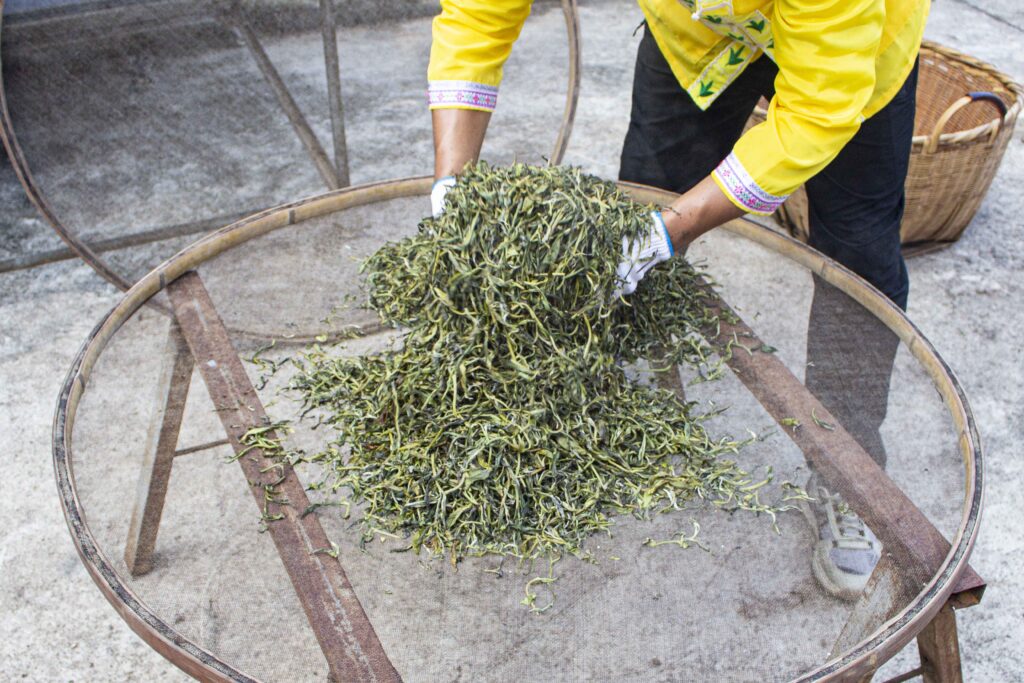
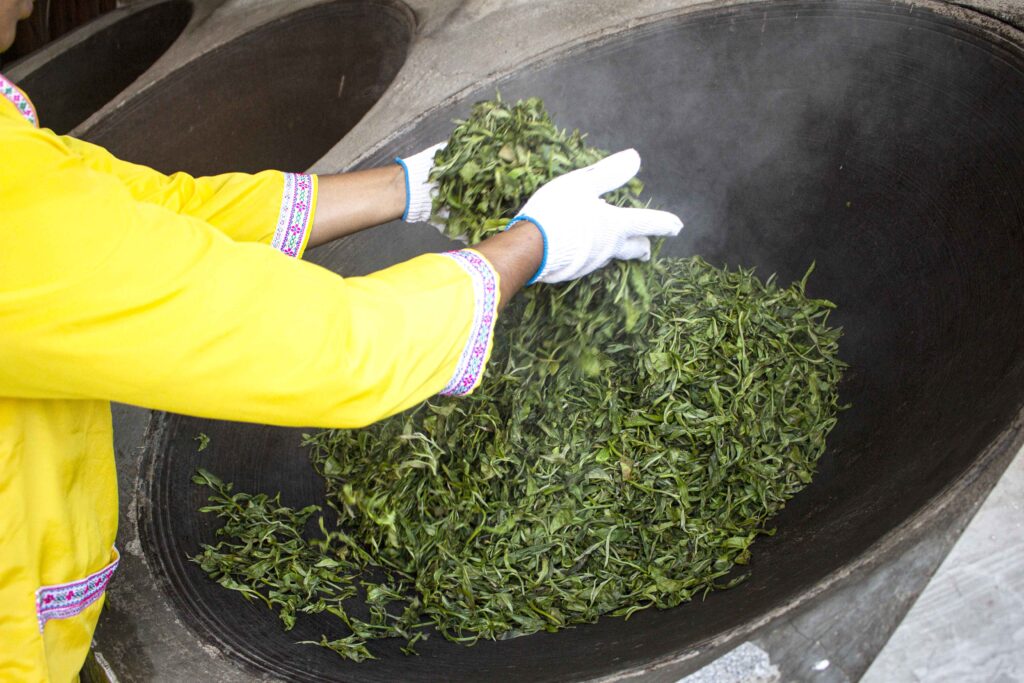
Right from the start we knew this farmer was wise in business and really knew a lot about harvesting tea. He and his Blang wife have used knowledge and skills handed down from generations of tea growers. While Farmer D’s main focus is on making hand crafted teas using traditional farming practices, such as wood cooking, he’s also very knowledgeable with modern tea trends in China and is passionate about perfecting his teas. After drinking many cups of tea with Farmer D., he volunteered to show his ancient tree forest.
The Blang people’s traditional farming extends to wild tea forest cultivation, where they sustainably harvest tea leaves from ancient, wild-grown forests. This centuries-old practice involves minimal disturbance, allowing the tea bushes to thrive naturally amid the forest ecosystem. Their deep knowledge of these wild tea groves reflects a harmonious relationship with nature, blending centuries-old tradition with a ritualistic respect for the land’s natural balance. The result is rich, aromatic teas that embody the spirit of their ancestral environment.
Later that evening after hiking through our farmer’s tea garden and from village to village, we met up to really question farmer D and his family, seeking to learn more about this rich and sustainable environment over bbq fish, local sour bamboo tofu, and locally picked green vegetables. Afterwards we drank the locally made corn liquor, a delightful yet strong, smooth sweet liquor, which the Blang actually like to drink with their raw Puerh tea. Tea doesn’t always have to be drunk purely does it?
Understanding Farm-Direct Sourcing
What Does Farm-Direct Mean?
At its heart, farm-direct means connection. For us we’ve connected and have shared many fond memories with Blang people on Jingmai Mountain. Their hospitality and love for life never ceases to amaze. Instead of going through middlemen, Purcraftea teas comes straight from the farmers who grow, harvest, and craft it. Special care is taken with each batch. Farmer D and his wife are a good example. Since we spent 15 days on Jingmai Mountain, we got to know our farmers and farm direct tea very personally.
Benefits of Buying Directly from Farmers vs Mass Production Factories
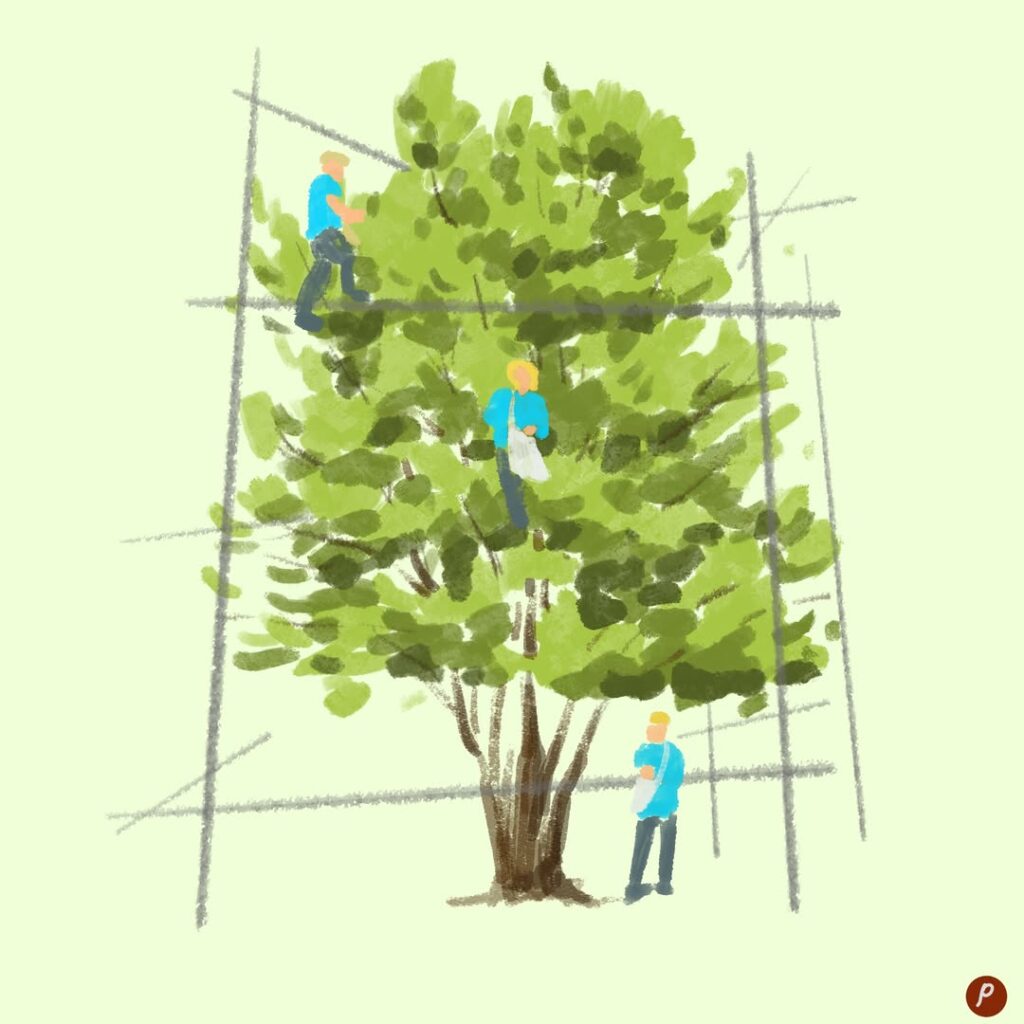
Buying directly is about more than just quality—it’s about trust. Ethically sourced farmers can spend more time focused just on the quality. You know exactly where your tea was grown and how it was processed. For farmers, it means fairer pay and recognition for their craft.
Fairer pay to the farmer, means his or her workers can live better and afford better education. Harvesting and hand-processing tea is painstaking work. Fair wages honor the skill and labor of the farmers who dedicate their lives to this craft. It’s about ensuring that tea culture continues with dignity, not just survival. For tea drinkers, it means fresh, authentic tea with a clear story of origin.
Fair wages also promote community development. When farmers earn fair wages, the entire community grows stronger. Children have better access to education, families can afford healthcare, and villages can thrive. Every fair purchase of tea becomes part of this ripple effect of growth and well-being.
Understanding the Economic Impact on Tea Farmers
Direct trade brings stability to farming families. Instead of facing unpredictable global pricing, farmers know they have support from tea drinkers who care about authenticity. This allows them to reinvest in their gardens, improve processing, and sustain their communities.
Fair Wages promote community development. When farmers earn fair wages, the entire community grows stronger. Children have better access to education, families can afford healthcare, and villages can thrive. Every fair purchase of tea becomes part of this ripple effect of growth and well-being.
The Importance of Ancient Tea Forests
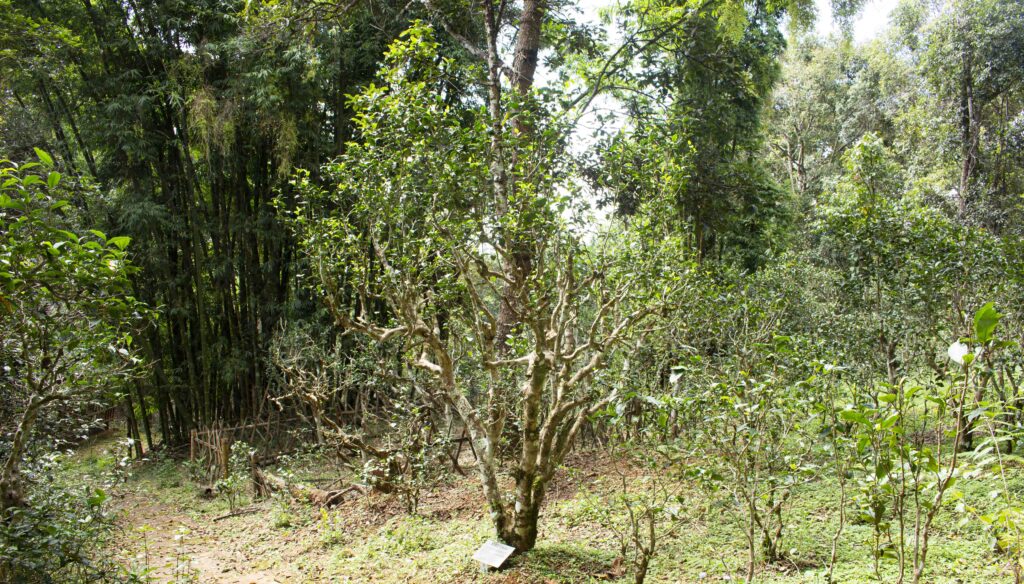
Jingmai is home to some of the world’s oldest cultivated tea forests. Walking through them feels like stepping into living history—centuries-old tea trees rising alongside native hardwoods, alongside spider webs. Teas from these forests carry depth and complexity that modern plantations simply can’t reproduce.
After being dropped off in Farmer D’s tea forests, the founders at Purcraftea were able to explore the beauty and richness of this type of forest, nestled next to some culturally preserved sites like the Tea Spirit Alter.
Farmer D’s tea forests are thriving ecosystems which preserve biodiversity. His tea trees grow in harmony with bamboo, bushes, and countless native plants and trees, while birds and insects weave life through the gardens. When you drink farm-direct Jingmai tea, you’re helping preserve this rare balance of nature and culture, only found in small pockets of the world.
Contributing to Carbon Sequestration
Ancient tea trees aren’t just cultural treasures, they’re environmental guardians. Their deep roots and forest canopy naturally capture and store carbon, making tea forests quiet allies in the fight against climate change. Every harvest supports this living system.
Choosing farm-direct Jingmai tea is also a commitment to sustainability. The farmers who tend these gardens see themselves as caretakers of the land. Their respect for the forest ensures it remains vibrant for generations to come.
Methods of Sustainable Farming
Sustainability in Jingmai doesn’t rely on industrial shortcuts. Leaves are picked by hand, shaded naturally under the forest canopy, and grown with little or no chemicals. These traditional methods keep the soil fertile and the ecosystem resilient, producing tea that truly tastes alive.
The impact on local ecosystems are hard to go unnoticed. Healthy forests give back more than they take. They protect clean water, provide shelter for pollinators, and keep the soil strong against erosion. Supporting sustainable farming in Jingmai helps ensure that the entire ecosystem continues to thrive alongside the tea.
Conclusion: The Future of Ethically Sourced Tea
Encouraging Responsible Consumer Choices
For tea lovers, each cup of Purcraftea carries meaning. Choosing farm-direct Jingmai tea from Purcraftea means choosing authenticity, sustainability, and respect for the people and places behind the leaves.
I urge you to join the movement for sustainable tea production! The future of tea depends on conscious choices made today. By supporting farmer direct sourcing, you’re not only enjoying world-class tea, you’re helping preserve ancient tea forests and Blang minority culture, support farming families, and safeguard tea’s heritage for generations to come.
 Posted on Google
 D Richards
Trustindex verifies that the original source of the review is Google.
Love, love, love this new (to me)tea experience. I purchased the Sampler Box and with the helpful instructions I'm enjoying tea on a whole different level. All the subtle notes that I taste with the different teas reminds me of fine wine tastings. A truly enjoyable experience. I will continue supporting this business.Posted on Google Joshua UkinskiGot a chance to meet with David and Sherry at the Indy Winter Farmers market and they are just lovely people who are passionate about bringing high quality Chinese tea to the US, which is a tough feat. There knowledgeable is show instantly and you can tell that quality is their priority. They answered all my questions and set me up with some of the most excellent tea ive ever had!Posted on Google
 Bradley RepassPurcraftea has a wonderful selection of curated loose leaf teas! Whether you’re new to tea or a connoisseur, they offer something for everyone. The Mist Maiden Ancient Arbor White Tea is sweet and delicate, while the Yao Dragon Dog Ancient Arbor Liubao Tea is smokey and mysterious! They educated me on raw versus ripe puerh tea. I look forward to exploring all their teas!Posted on Google
 William MantegnaBy far the highest quality tea I've ever had! These are the longest tea leaves I've ever seen, taking 5-10 seconds to steep, which you can do multiple times with the same leaves. I even cold brewed some tea with this, which came out on the sweeter side. While it does get maltier if you over-steep, the tea never got bitter, which was really cool.Posted on Google
 Kevin KolesariWould buy again! Purcraftea provides great tea with awesome sustainable recyclable packaging. My package came with onsite tracking that was helpful for its journey to me and it was packaged in a way that prevented any harm to the tea itself. Tea Song was a delicious Jingmai red tea that was malty and sweet. Princess Qi was a smooth and floral cocoa shou puer that was very easy to drink.Posted on Google
 Jen JenExtremely high quality product. I love the instructions and information added. It helps me make the perfect cup every time. This tea is incredible!Posted on Google
 Erica StewartI enjoyed the calming effects of the tea. You can get a few good batches of tea with very little leaf too!Posted on Google
 Nick BartonI bought the travel tea set and it's been a life saver! I travel a lot and the free tea you find in hotels just doesn't do it. The travel tea set allows me to take my own tea with me and enjoy it the way tea is supposed to be enjoyed! Its become an essential part of my travel kit.
About Us
Table of Contents
Toggle