
Everything You Need to Know about Sheng Puerh Tea
I. Introduction: Understanding Sheng Puerh Tea
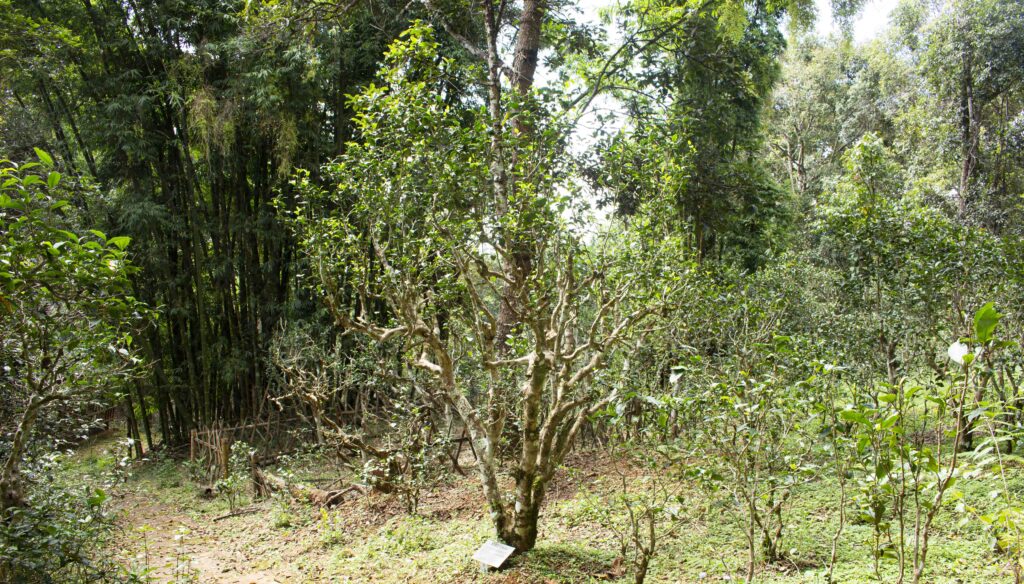
Sheng puerh tea, also known as raw puerh, is a lightly fermented green tea from Yunnan Province in China. It is made from the leaves of Camellia sinensis, often from assamica trees that can range from 80 to over 1,000 years old on select tea mountains.
When allowed to age, sheng puerh develops complex aromas and flavors such as floral, grassy, woody, and earthy notes, with pronounced stone fruit sweetness. Its aging potential and perceived health benefits make it especially prized among tea enthusiasts.
Why Sheng Puerh Tea is Called “Raw” or “Living”
The word sheng means raw or natural in Mandarin. It refers to the traditional style of puerh tea that ages through natural fermentation over time, developing increasing complexity as it matures.
Uncooked Sheng puerh continues to ferment and evolve naturally long after production. Much like a living organism, it changes slowly over time. Unlike cooked ripe puerh, which undergoes heavy, accelerated fermentation, sheng puerh is valued for its dynamic and continuously developing character.
How it differs from most other teas on the market
Most teas—green, black, or oolong—go through complete processing and are meant to be consumed within a year or two. Sheng puerh, however, is designed to age naturally for decades, gaining depth and complexity rather than degrading over time.
What beginners should expect when trying sheng puerh tea for the first time
For new drinkers, sheng puerh can be a surprising and rewarding experience. Flavors may range from fresh and floral to earthy and astringent, and bitterness can appear if oversteeped.
With multiple infusions, the tea often becomes smoother and sweeter, leaving a lingering sweet aftertaste which kind of hangs in your palate for a considerably long time. Many beginners also report a calming yet energizing effect.
II. History of Sheng Puerh
Explanation of puerh as a protected style of tea from Yunnan, China
Puerh is a protected tea style unique to Yunnan Province, much like Bourbon whisky is in the great state of Kentucky. Its distinct flavor comes from the region’s climate and terroir, along with strict quality and production standards by the government. Only tea produced in designated areas of Yunnan may officially be called ‘puerh’.
Why sheng puerh tea is traditionally compressed into cakes, bricks, or tuocha
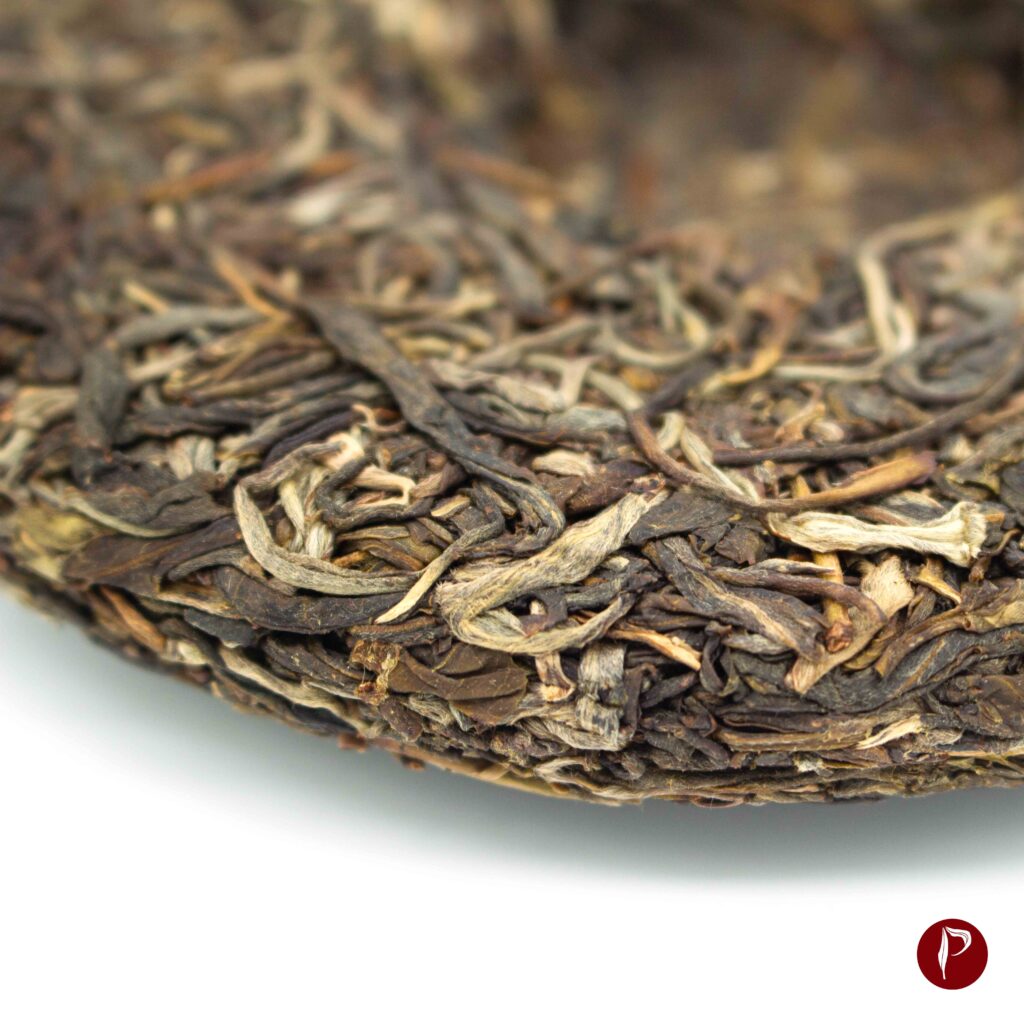
Compression made sheng puerh tea easier to transport along ancient trade routes by reducing bulk and protecting the leaves. It also creates a stable environment that supports slow fermentation and gradual flavor development during aging.
Historical context of sheng puerh tea as a trade and tribute tea

Sheng puerh tea played an important role in trade and tribute during the Tang, Song, Yuan, and Ming dynasties. Transported along the Tea Horse Road, it was valued for its medicinal qualities, durability, and unique flavors.
As tribute tea, it was presented and gifted to emperors and officials, symbolizing respect and diplomacy—qualities that continue to shape its cultural and economic importance today.
III. Where Sheng Puerh Tea is Made
Yunnan Province as the birthplace of sheng puerh tea
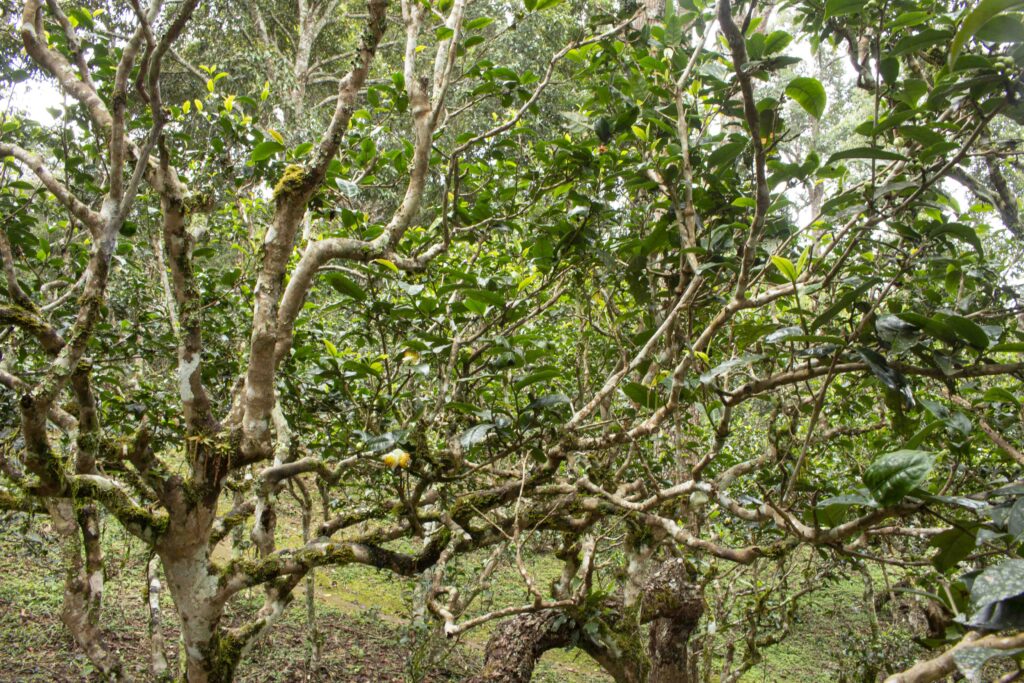
Yunnan’s high elevations and rich biodiversity create ideal conditions for sheng puerh tea. On Jingmai Mountain alone, hundreds of plant species coexist with ancient tea forests, forming a balanced and thriving ecosystem.
Some of Yunnan’s tea trees are hundreds to thousands of years old and produce leaves uniquely suited for puerh. Combined with a long history of tea cultivation and trade, these natural conditions make Yunnan the true birthplace of sheng puerh tea.
Importance of mountain terroir and microclimates
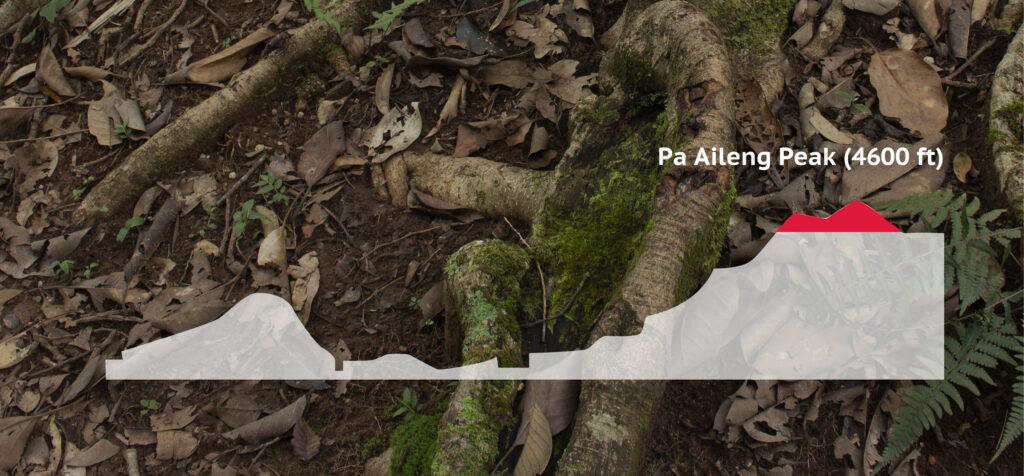
Yunnan’s mountain terrain provides cooler temperatures, mist, and balanced sunlight and rainfall, resulting in greater aromatic complexity.
Microclimates vary by elevation, soil, and surrounding vegetation, meaning tea from one mountain—or even one slope—can taste distinctly different from another. Jingmai teas as an example shares the common trait of having a beautiful orchid aroma, being more pronounced the closer one gets to Aileng Peak (shown left at 4600ft)
Role of old arbor and ancient tea trees
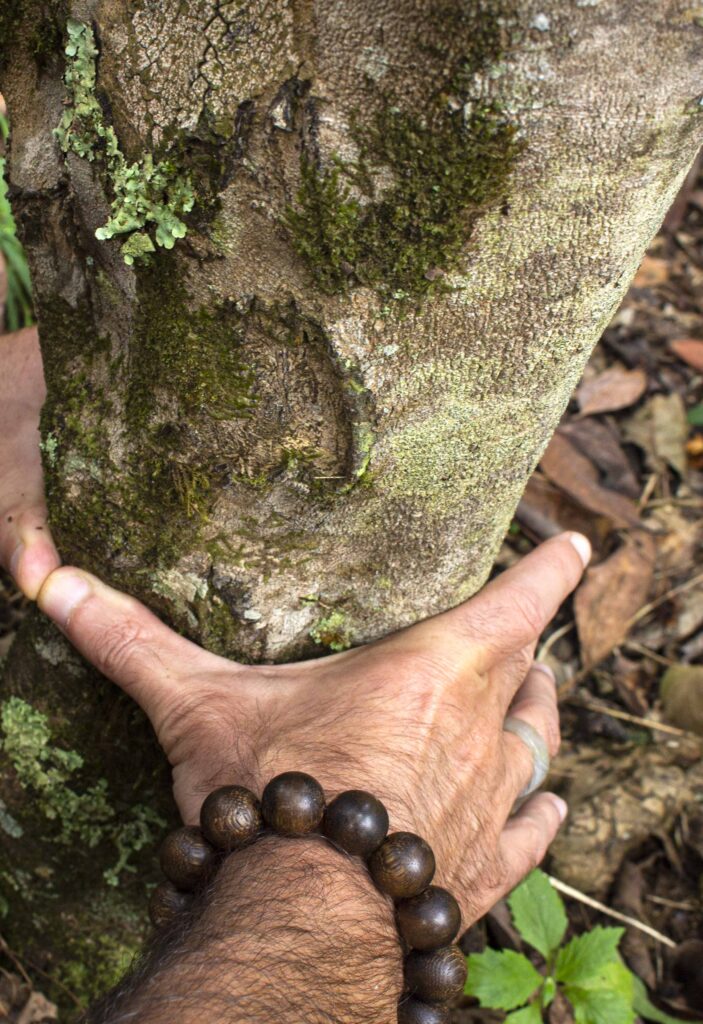
Old arbor trees typically range from 80–100 years old, while ancient tea trees can be several centuries old or more. Their deep root systems draw minerals from far below the surface, producing leaves with greater depth and complexity.
These trees often yield smoother, more balanced teas and are naturally more resilient to environmental stress.
Differences between ancient tree, old tree, and plantation-grown sheng puerh tea
Plantation-grown tea comes from younger, uniform plants with shallow roots, often resulting in simpler flavor. Old and ancient trees grow in diverse, semi-wild ecosystems, contributing to greater complexity and character.
Harvesting also differs: old arbor tea is hand-picked and selective, while plantation tea is often mechanically harvested, favoring consistency over depth.
IV. How Sheng Puerh Tea Is Processed
Seasonal picking (spring vs. autumn harvests)
Spring tea is prized for its freshness, sweetness, and endurance. Early spring tea contains more buds and inner compounds, while mid- and late-spring harvests offer softer profiles.
Autumn tea develops strong aroma due to large temperature swings but generally lacks the complexity and aging potential of spring harvests.
Hand-picking methods and leaf selection
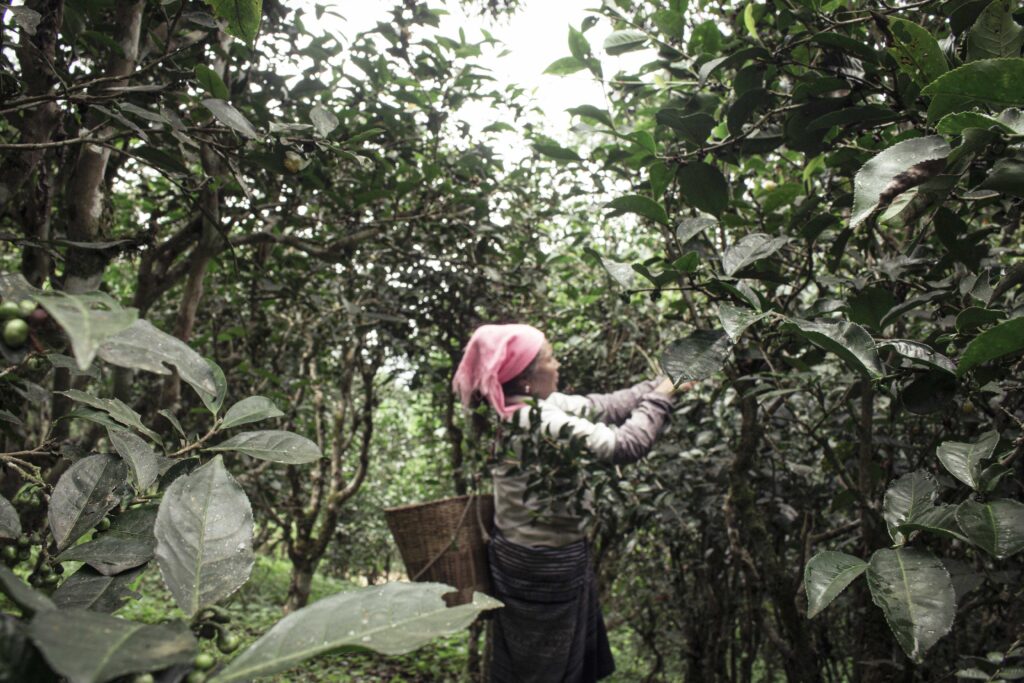
Hand-picking allows for careful selection of only the top two or three leaves and the bud. This method, used for high-quality teas like Purcraftea’s, results in tender leaves and greater complexity. Machine harvesting is less selective and often includes older, tougher leaves.
Why leaf maturity matters for aging potential
Mature leaves have thicker cell walls and richer chemical compounds that transform over time. As sheng puerh tea leaves ages, polyphenols and amino acids break down and recombine, creating deeper flavors and aromas.
Younger leaves tend to fade more quickly and lack the long-term depth needed for graceful aging.
2. Natural sun-withering
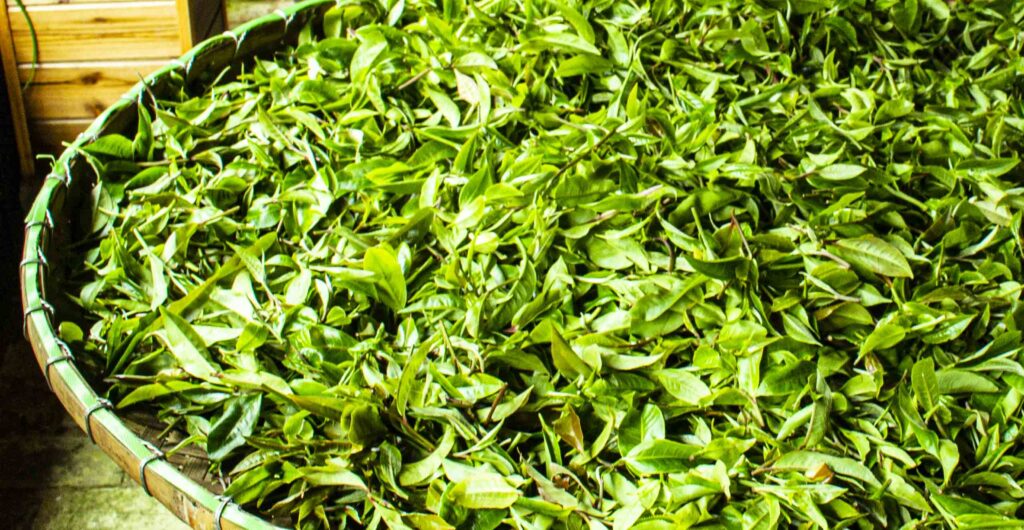
After harvesting, the fresh tea leaves are spread out to wither naturally, often under the sun or in well-ventilated shaded areas. This step gently reduces moisture content, making the leaves more pliable and preparing them for further processing.
How withering influences aroma and softness
Withering allows grassy sharpness to soften while encouraging the development of floral and fruity aromatics. Proper withering helps balance freshness with smoothness, setting the foundation for a refined sheng puerh.
3. Kill-Green (Sha Qing)
Light pan-firing or wok heating to halt excessive oxidation
Differences between traditional and modern kill-green methods
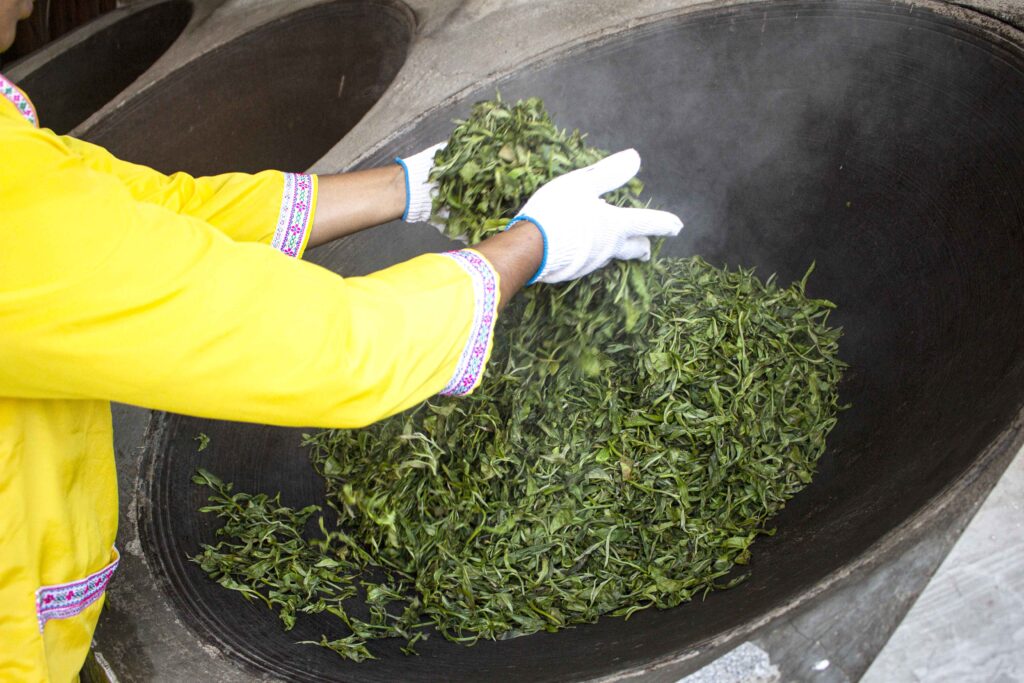
Traditional kill-green relies on skilled hand control over heat and timing, while modern methods may use machinery for consistency. Hand-fired sheng puerh tea often retains more character and depth due to subtle variations in technique.
Because kill-green is done lightly, the tea retains enzymes and compounds that allow it to continue transforming naturally over time. This step preserves the tea’s raw, vibrant character.
4. Rolling
Purpose of rolling in shaping leaves and releasing enzymes
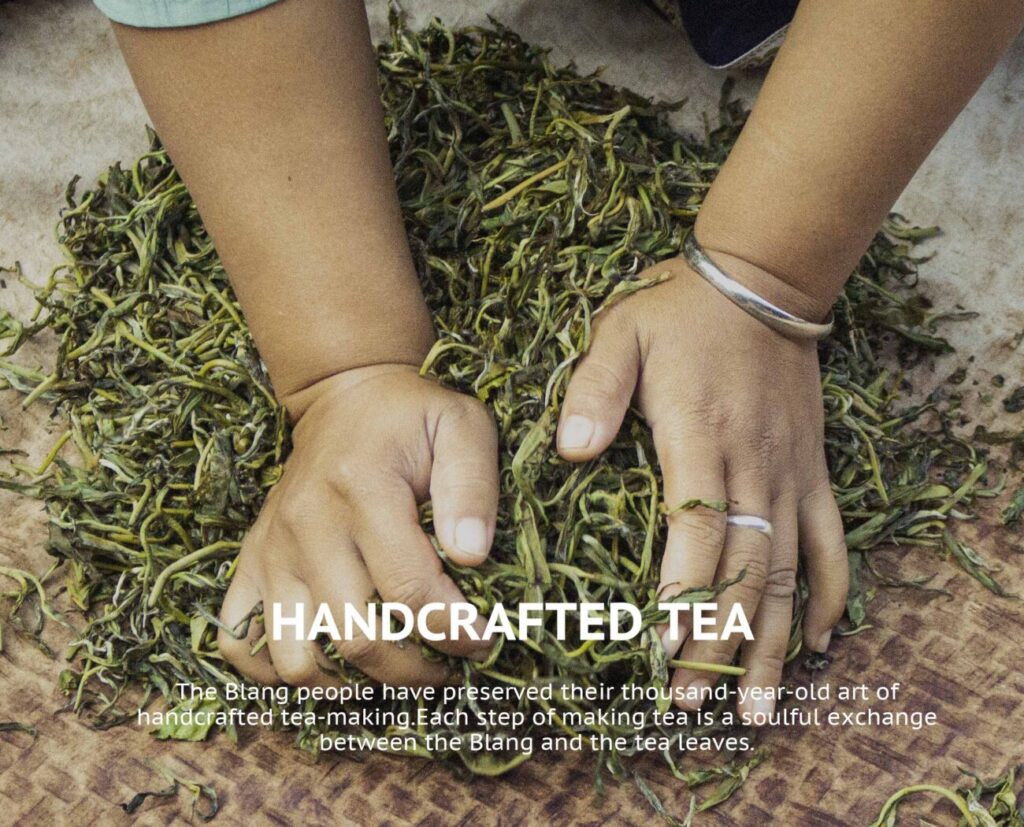
Rolling twists the leaves and gently breaks cell walls, releasing internal juices and enzymes. This helps flavors develop and supports future aging.
Well-rolled leaves brew more evenly, producing fuller flavor and stronger endurance across many infusions.
5. Sun-Drying (Shai Qing)
Traditional sun-drying vs. machine drying
Sun-drying is a defining feature of authentic sheng puerh tea. Unlike machine drying, sun-drying preserves microbial life and the tea’s energetic qualities.
Why sun-drying is critical to authentic sheng puerh tea
Sun-dried tea maintains the enzymes and natural compounds necessary for long-term aging and complexity. Sun-drying enhances clarity, floral aroma, and the tea’s ability to evolve gracefully over decades.
6. Compression (Optional but Traditional)
Steaming and pressing tea into cakes, bricks, or tuocha
Once dried, sheng puerh tea can be steamed and pressed into traditional shapes. Compression is not required, but it is historically and culturally significant. Compressed tea ages more slowly and evenly, creating layered complexity over time. The dense structure allows microclimates to form within the cake, supporting gradual fermentation and transformation.
V. How Sheng Puerh Tea Changes Over Time
Natural aging and why sheng puerh is considered “alive”
Unlike shou (ripe) puerh, sheng puerh ages naturally without forced fermentation. Its transformation is guided by time, airflow, humidity, and native microorganisms. Because it continues evolving year after year, sheng puerh is often described as a “living tea” rather than a finished product.
Flavor evolution and aging potential
Young sheng puerh is typically fresh, bright, and slightly bitter. With proper leaf material, careful processing, clean storage, and balanced bitterness, that sharpness gradually softens into sweetness, with deeper notes of honey, dried fruit, wood, and resin emerging over time.
VI. What Does Sheng Puerh Tea Taste Like?
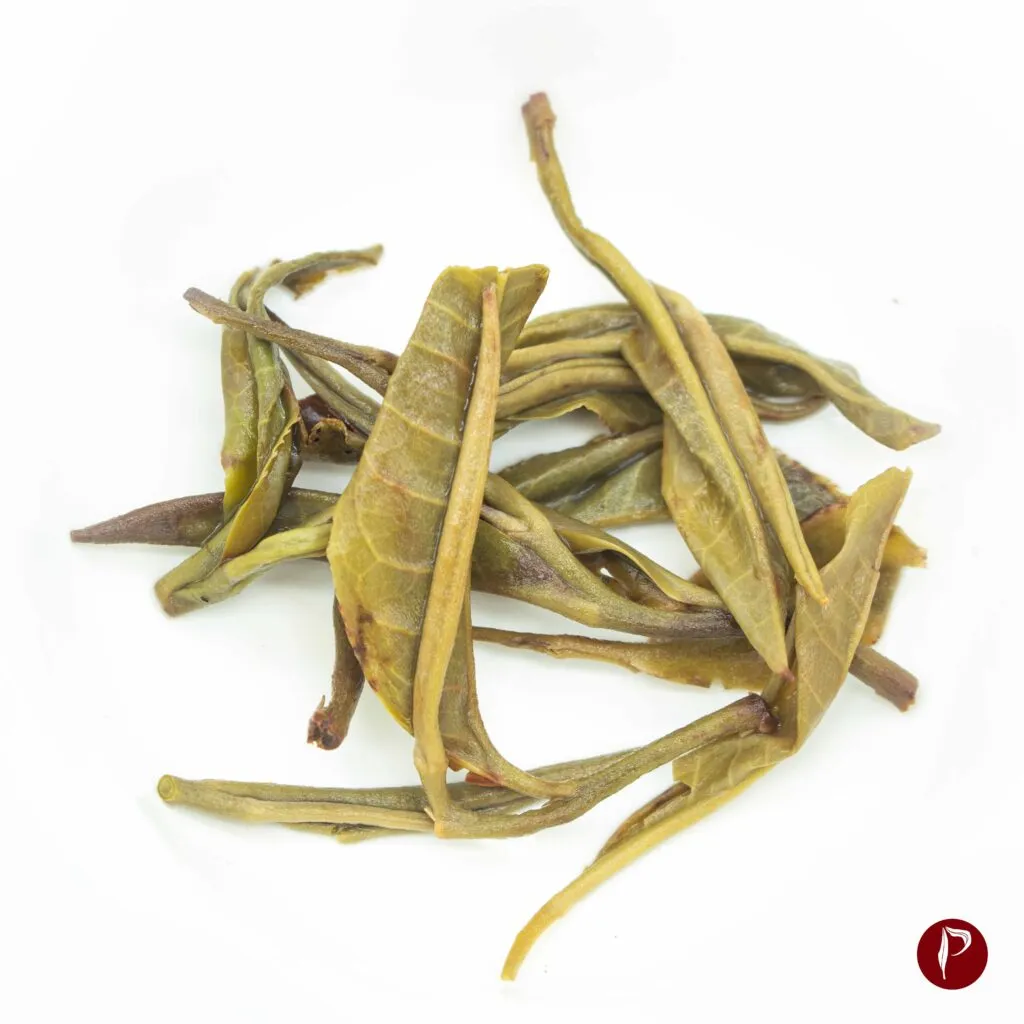
Natural aging and living character
Sheng puerh ages naturally without forced fermentation, unlike shou puerh. Its transformation is driven by time, airflow, humidity, and microorganisms, allowing the tea to continue changing year after year—why it’s often described as a “living” tea.
Flavor development and aging potential
Young sheng puerh is fresh, bright, and sometimes bitter. With good leaf material, proper processing, and clean storage, bitterness softens into sweetness as flavors deepen into honey, dried fruit, wood, and resin, making aging potential a key quality marker.
VII. How to Brew Sheng Puerh Tea for Beginners
Water Temperature and Brewing Approach
Use near-boiling water (195–212°F) to fully extract flavor. Sheng puerh works well in both gongfu and Western brewing styles—gongfu emphasizes complexity through short infusions, while Western brewing offers a gentler introduction. Because the tea extracts quickly at high temperatures, avoid long steeps to prevent overpowering bitterness. Sheng puerh is also known for making an excellent cold brew, so when you’re done with your hot tea, throw the used leaves in a bottle for next day cold brew.
Avoiding bitterness and improving sweetness
VIII. Is Sheng Puerh Tea Right for You?
Who tends to enjoy sheng puerh tea
Those who enjoy complexity, mindfulness, and evolving flavors are often drawn to sheng puerh. I also find that people who enjoy the slight astringency of dry wine and bitterness of dark chocolate love the robust flavor of this tea. Matcha drinkers also find similar qualities in sheng puerh tea as they do in the traditional Japanese teas.
Sheng appeals to green tea drinkers seeking depth, oolong lovers who enjoy transformation, and coffee drinkers looking for clean energy.
Energy, clarity, and mindful drinking experience
Many drinkers report focused energy, mental clarity, and a calming yet an uplifting effect. Sheng puerh tea has the highest energy level of our teas, sitting at 50mg of caffeine per 8oz, with most of the caffeine releasing in the early pours.
How beginners can ease into sheng puerh tea
Start with younger, softer sheng
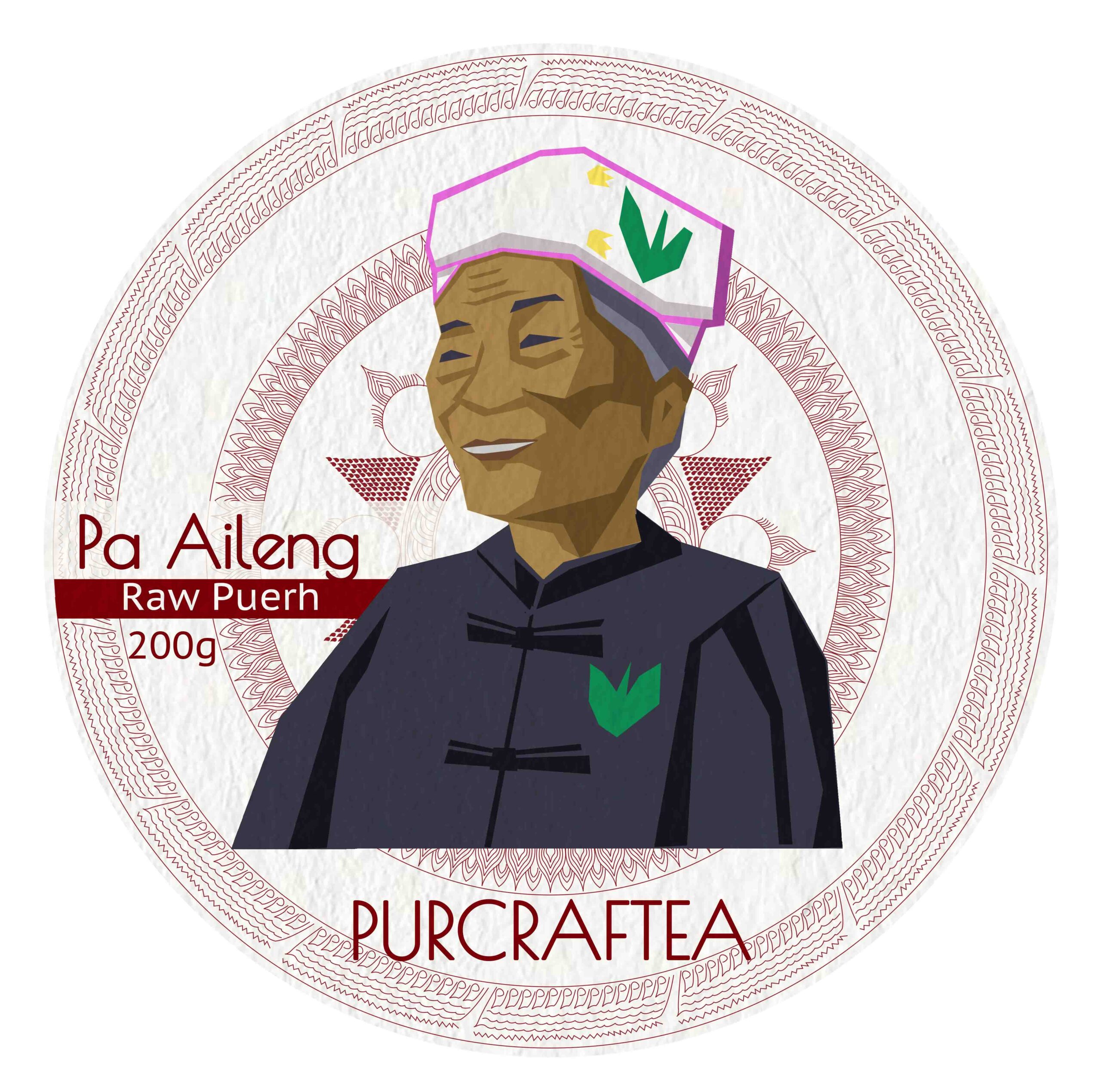
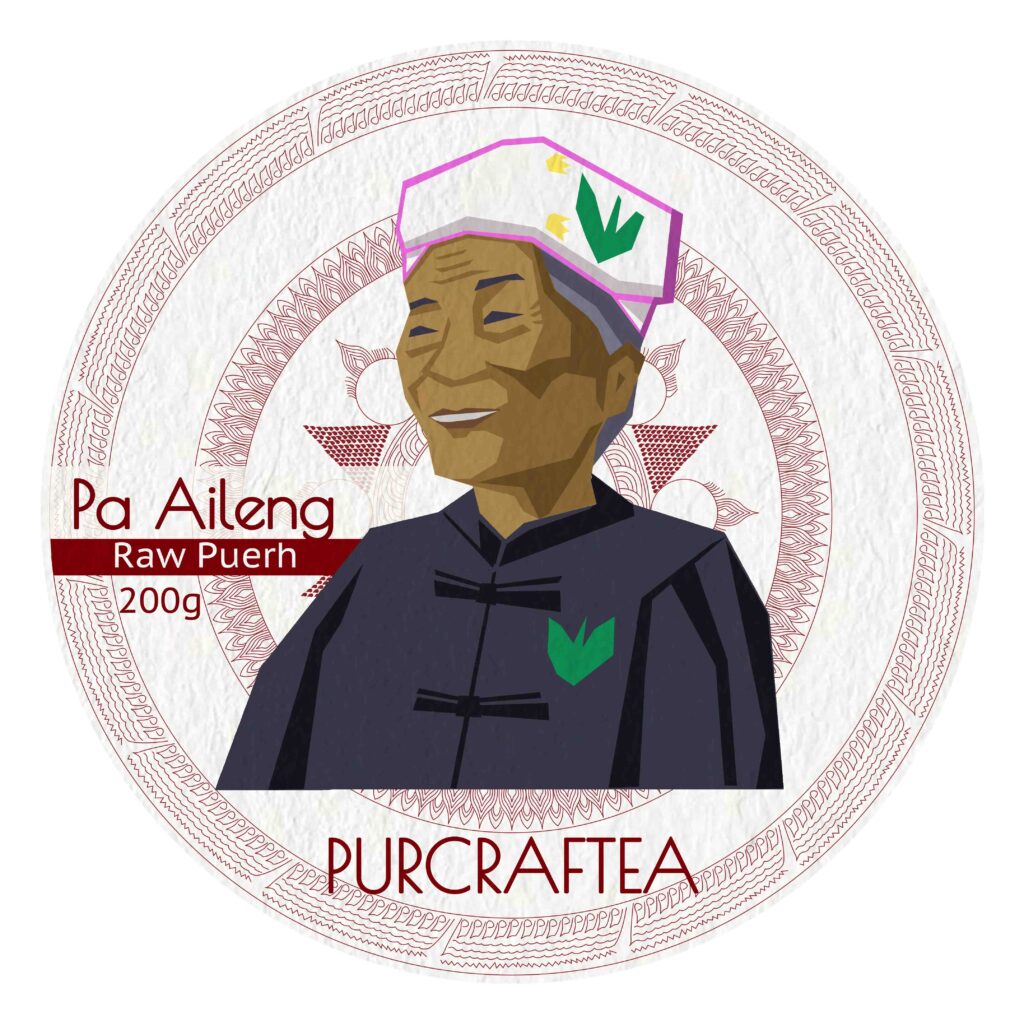
Choose teas from spring harvests, lower bitterness profiles, or blends designed to be approachable, such as Bee King or Pa Aileng. These tend to be more floral and sweet rather than aggressively bitter.Use less leaf and shorter infusions
Raw puerh extracts quickly. Begin with a smaller leaf-to-water ratio and short steeps (especially with gongfu brewing) to avoid overwhelming bitterness.Rinse and build gradually
A quick rinse helps awaken the leaves and smooth the first infusion. Increase steeping time slowly over multiple infusions as the tea opens up.Experiment with brewing style
Gongfu brewing highlights nuance and sweetness, while Western-style brewing can feel more familiar and forgiving. Raw puerh adapts well to both when brewed lightly.Focus on the aftertaste, not just bitterness
Early bitterness often transforms into sweetness (huigan). Paying attention to how the flavor evolves makes the experience more enjoyable and less intimidating.Explore over time
Raw puerh is a journey. Tastes change, preferences develop, and the tea reveals more with patience and repeated sessions.
IX. How to Choose High-Quality Sheng Puerh Tea
When choosing sheng puerh tea, look closely at labels and descriptions that clearly state origin, harvest year, tree age, and processing methods, as these details strongly influence quality and aging potential. Transparent sourcing builds trust and helps ensure authenticity, while high-quality leaf material matters far more than age alone—good leaves improve with time, whereas poor material does not. Be cautious of online offerings with vague origins, unnaturally dark leaves, or exaggerated aging claims, as these are common red flags.
X. Final Thoughts: Beginning Your Sheng Puerh Tea Journey
Sheng puerh tea is not a destination but a journey—one whose flavors evolve and deepen over time, rewarding patience, curiosity, and mindful tasting. Exploring sheng puerh encourages us to slow down and appreciate tradition, nature, and the passage of time itself. Whether enjoyed young or aged for decades, it uniquely connects culture, craftsmanship, and wellness. We invite you to explore ethically sourced, high-quality sheng puerh tea and begin your own lifelong relationship with this living tea, including our selection of ancient and old arbor teas available in our shop.
To read more about what puerh tastes like, check out blog “What Does Pu Erh Tea Taste Like“. Thanks for reading and happy sipping.
About Us
Table of Contents
Toggle