
Table of Contents
ToggleSpringtime Tea: What Makes Spring Tea the Best of the Year
For tea lovers around the world, springtime tea is the most anticipated harvest of the year. With only a few rare exceptions where certain teas shine in other seasons, spring tea is widely regarded as the season when most teas reach their peak in flavor, aroma, and balance.
At Purcraftea, we deliberately focus on sourcing springtime tea. Our belief is simple: if tea is meant to offer comfort, clarity, and depth, then choosing the best seasonal leaves is essential. By selecting carefully harvested spring teas, we ensure that every cup delivers the most refined and satisfying tea experience possible.
1. What Is Springtime Tea?
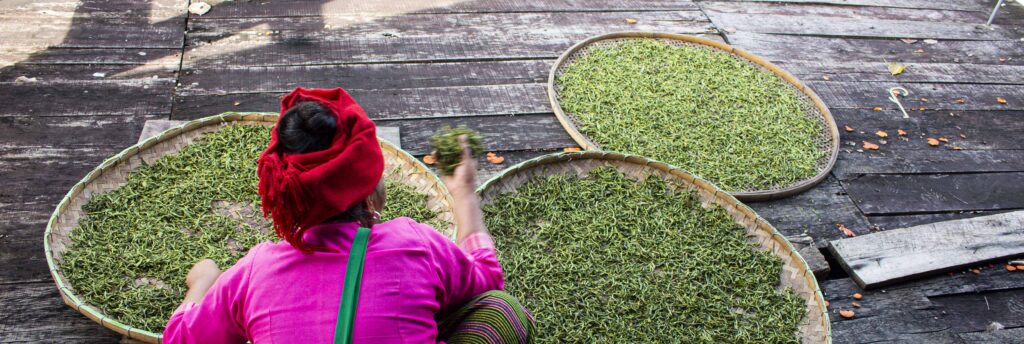
Springtime tea refers to tea made from the first new buds and young leaves that emerge after tea trees rest through winter dormancy. These leaves typically begin sprouting between March and April, depending on climate, altitude, and the age of the tea trees.
Younger tea trees tend to bud earlier, while ancient arbor tea trees—especially those growing in high-altitude forests—often sprout later, with peak harvests concentrated in April.
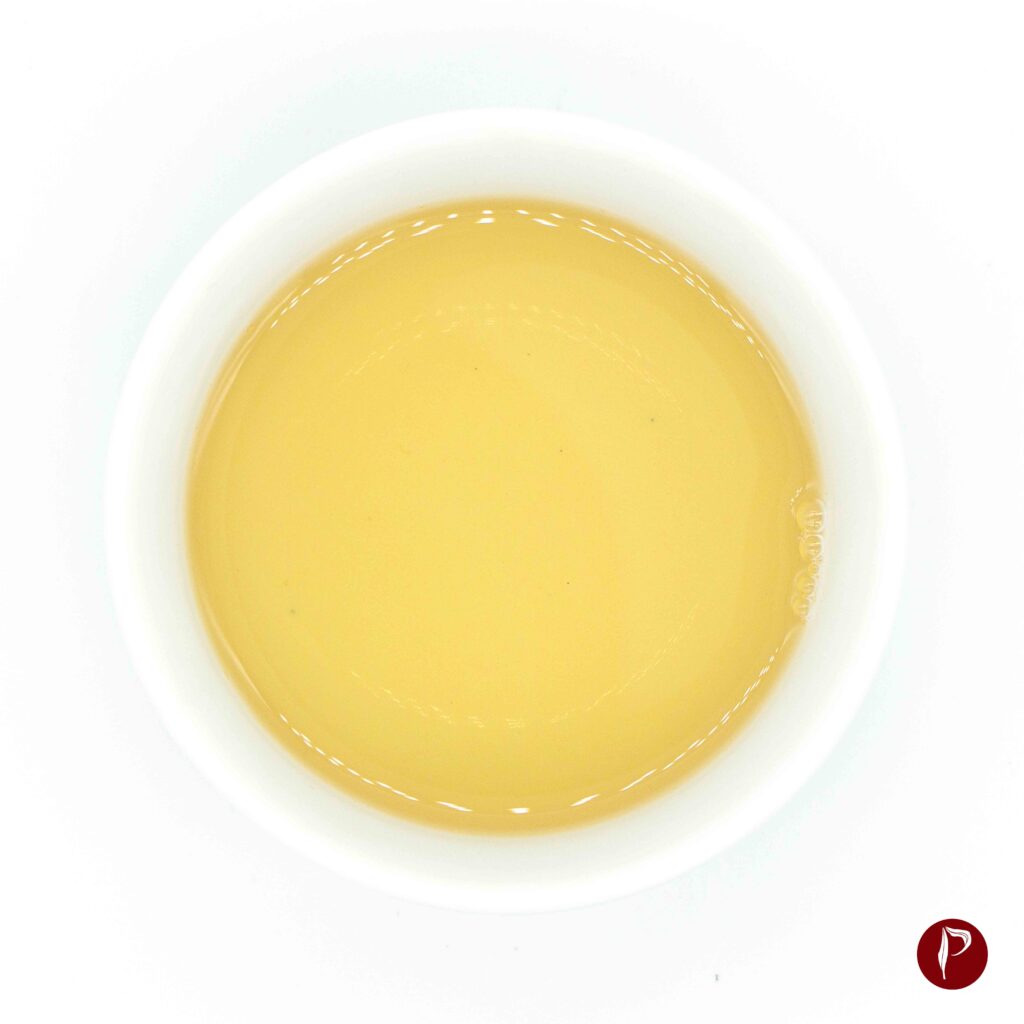
Because the tea trees have rested for months, springtime tea leaves are:
Plump and tender
Rich in amino acids and natural sugars
High in freshness and vitality
Among all tea types, spring raw puerh tea is especially prized. Spring-harvested raw puerh offers a naturally sweet, clean, and lively tea soup with minimal bitterness and a long-lasting returning sweetness (huigan).
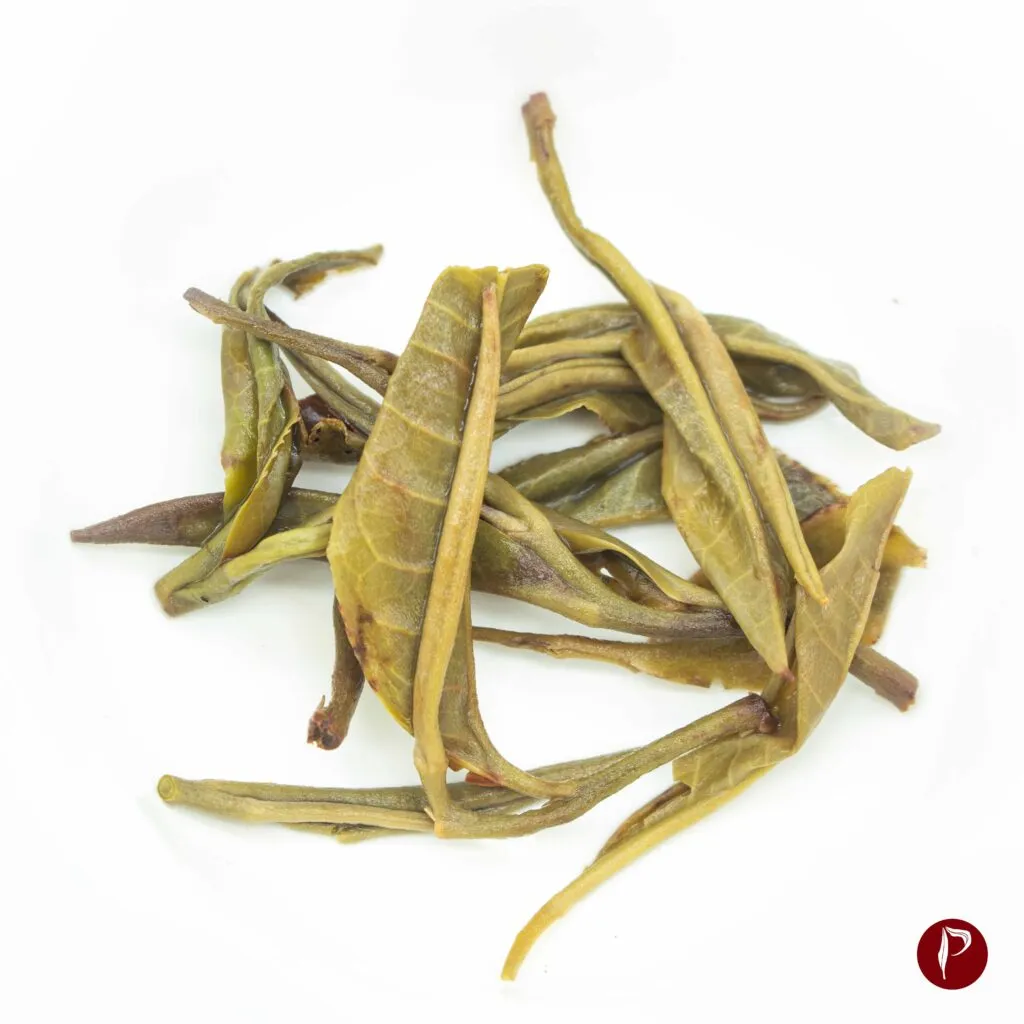
Pa Aileng Ancient Arbor Raw Puerh, made exclusively from carefully selected springtime ancient trees, is one of the products we are most proud of—an authentic expression of spring’s energy.
2. Why Springtime Tea Tastes Better Than Other Seasons
2.1 Tea Trees “Store Energy All Winter”
During winter, cold temperatures and limited sunlight slow tea tree growth almost entirely. While leaves stop growing, the root systems continue absorbing and storing nutrients.
When spring arrives:
Amino acids and soluble sugars are abundant
Bitter compounds such as polyphenols and caffeine are relatively lower
The result is a tea that tastes fresh, sweet, smooth, and quick to return sweetness.
This is why springtime tea is often described as gentle, delicate, and full of life.
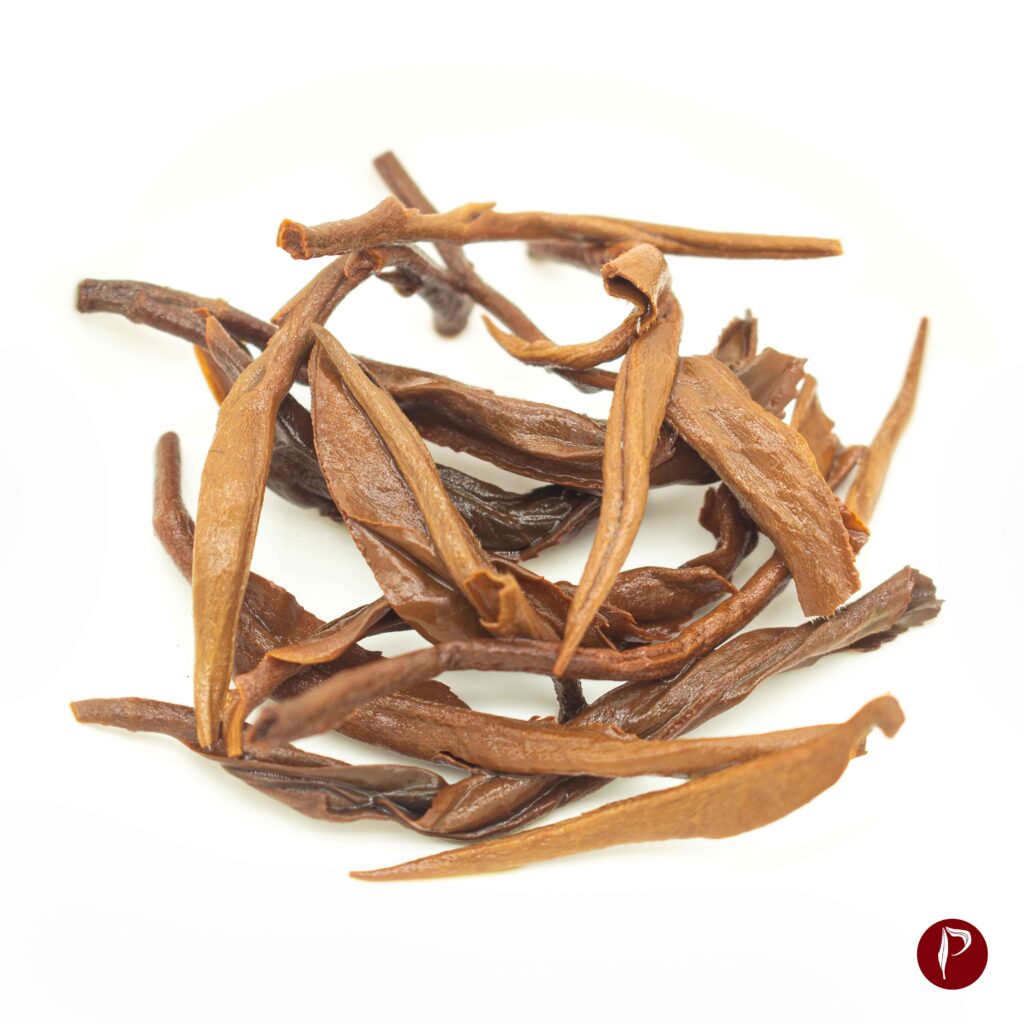
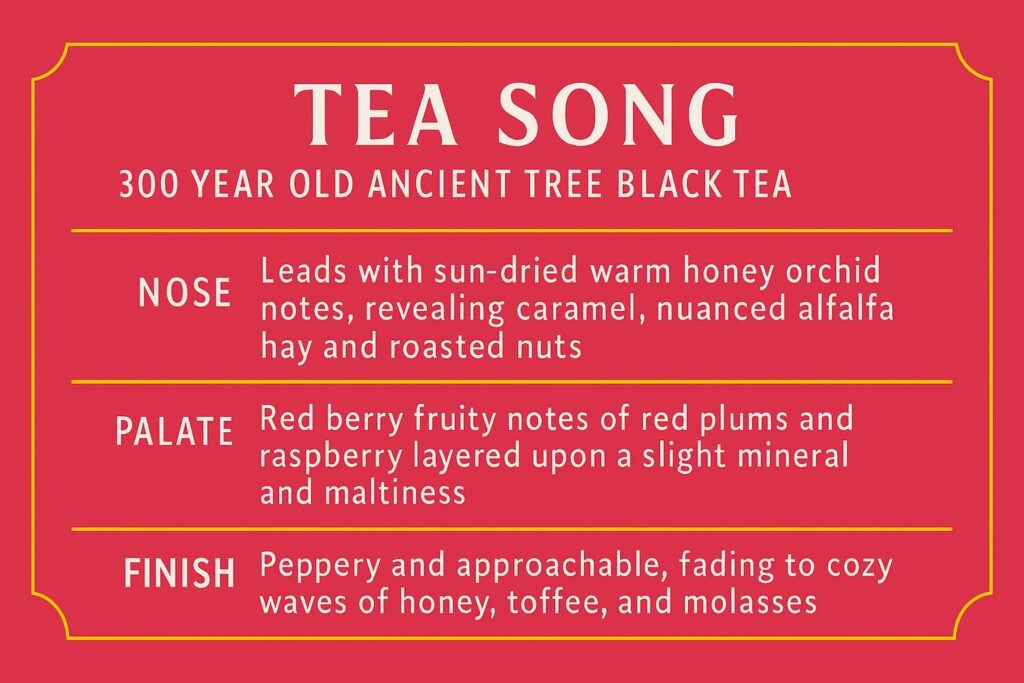
Tea Song Sun-Dried Black Tea beautifully captures this spring sweetness, offering floral and fruity aromas with a naturally soft, honeyed finish in every sip.
2.2 Spring Climate Is “Just Right”
Typical spring conditions include:
☁️ Frequent mist and cloud cover
🌡 Large temperature differences between day and night
🌧 Moderate rainfall without heavy storms
These conditions cause tea leaves to:
Grow more slowly
Develop thinner leaves with concentrated inner compounds
Build layered, refined aromas rather than sharp intensity
For high-altitude ancient tea forests like Jingmai Mountain, spring is especially important. This is the season when the region’s signature orchid aroma is expressed most fully and elegantly.
2.3 Spring Tea Is “Tender but Not Shallow”
From a leaf structure perspective:
Spring tea has thinner cell walls
Lower cellulose content
Flavor compounds dissolve more easily into the tea soup
As a result, springtime tea offers:
Smooth, silky mouthfeel
Full-bodied yet clean tea liquor
Aroma that lingers within the soup rather than bursting and fading
This quality is particularly evident in ancient arbor teas and traditionally handcrafted Blang ethnic teas, where craftsmanship allows the leaf’s natural character to shine.
3. Are There Differences Within Springtime Tea?
Yes. Spring tea is not harvested only once—it develops throughout the season.
Early Spring Tea (First Flush / Head Spring)
The very first harvest. It contains more buds, richer inner compounds, greater sweetness, and excellent brewing endurance.Mid-Spring Tea
Still vibrant and sweet, with slightly less intensity than the first flush.Late Spring Tea (Spring Tail)
Harvested toward the end of spring, often with a softer profile.
Among these, first flush springtime tea is the most prized for its freshness, complexity, and long-lasting flavor.
4. The Flavor Profile of Springtime Tea
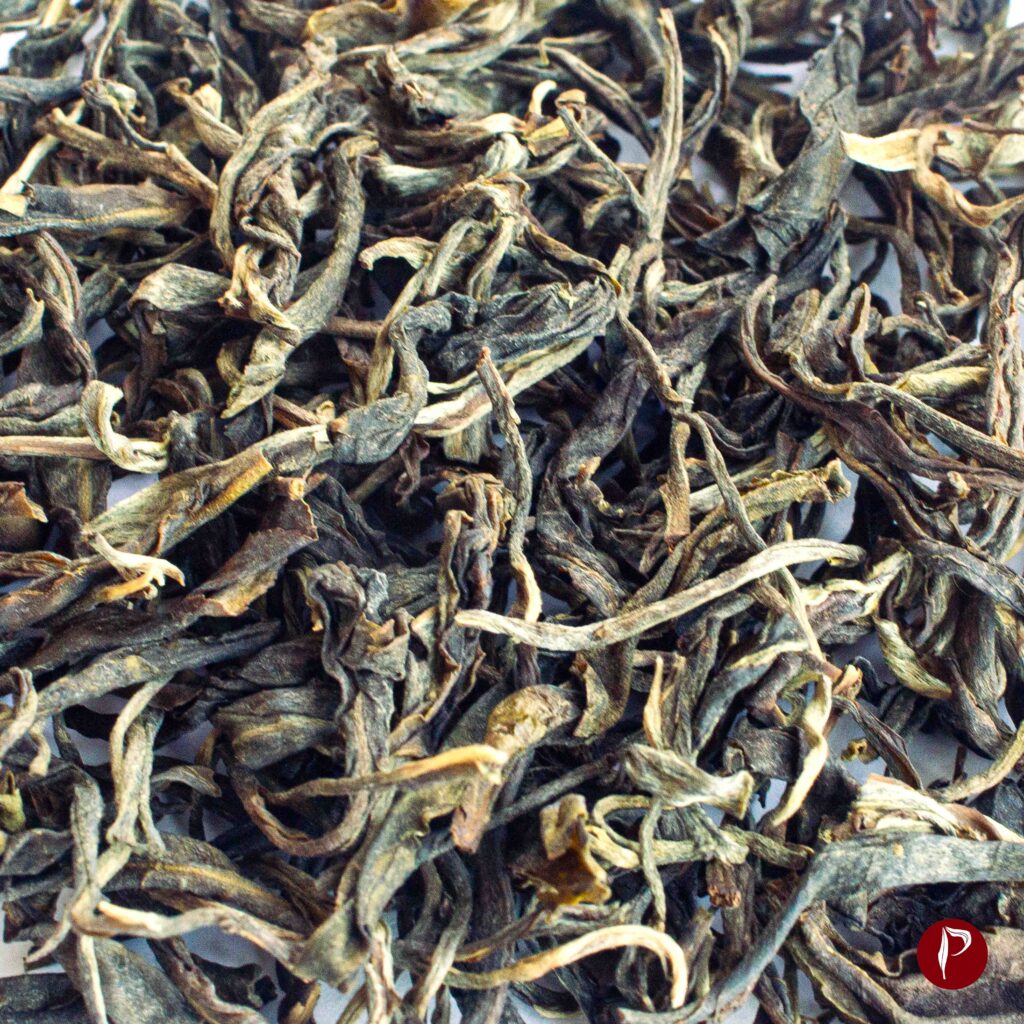
Although spring-harvested leaves can be processed into many tea types, springtime tea across categories shares several defining traits:
- Freshness
High amino acid content creates a clean, lively, and refreshing taste.
- Natural Sweetness
Soluble sugars accumulated during winter produce a gentle sweetness without added bitterness.
- Layered Complexity
Balanced growth and slow development allow aromas and flavors to unfold gradually—floral, fruity, herbal, and mineral notes emerge in sequence.
- Excellent Brewing Endurance
Rich inner substances give springtime tea the ability to withstand multiple infusions while maintaining flavor and aroma.
Bee King Raw Puerh is a great springtime raw puerh tea with good value.
5. Characteristics of Teas from Other Seasons
In regions like Jingmai Mountain, tea is usually harvested only in spring and autumn, allowing tea trees to rest. In some other regions, tea is harvested year-round.
Summer Tea
Fast growth under high heat leads to higher polyphenol levels, resulting in stronger bitterness and astringency.Autumn Tea (August–October)
Large day-night temperature differences enhance aroma development. Autumn tea tends to have a deeper color, mellow body, and higher fragrance, but usually lacks the complexity and endurance of springtime tea.Winter Tea
Low yields, darker leaves, gentle aroma, fewer layers, but exceptionally smooth and soft mouthfeel. Some traditional teas, such as certain Liubao styles, are made from winter harvests.
6. Is Only Springtime Tea Worth Buying?
Springtime tea offers the best overall balance of freshness, sweetness, aroma, complexity, and endurance, which naturally places it at a higher price point.
However, value-conscious tea drinkers have excellent alternatives:
Blended seasonal teas
High-quality autumn teas
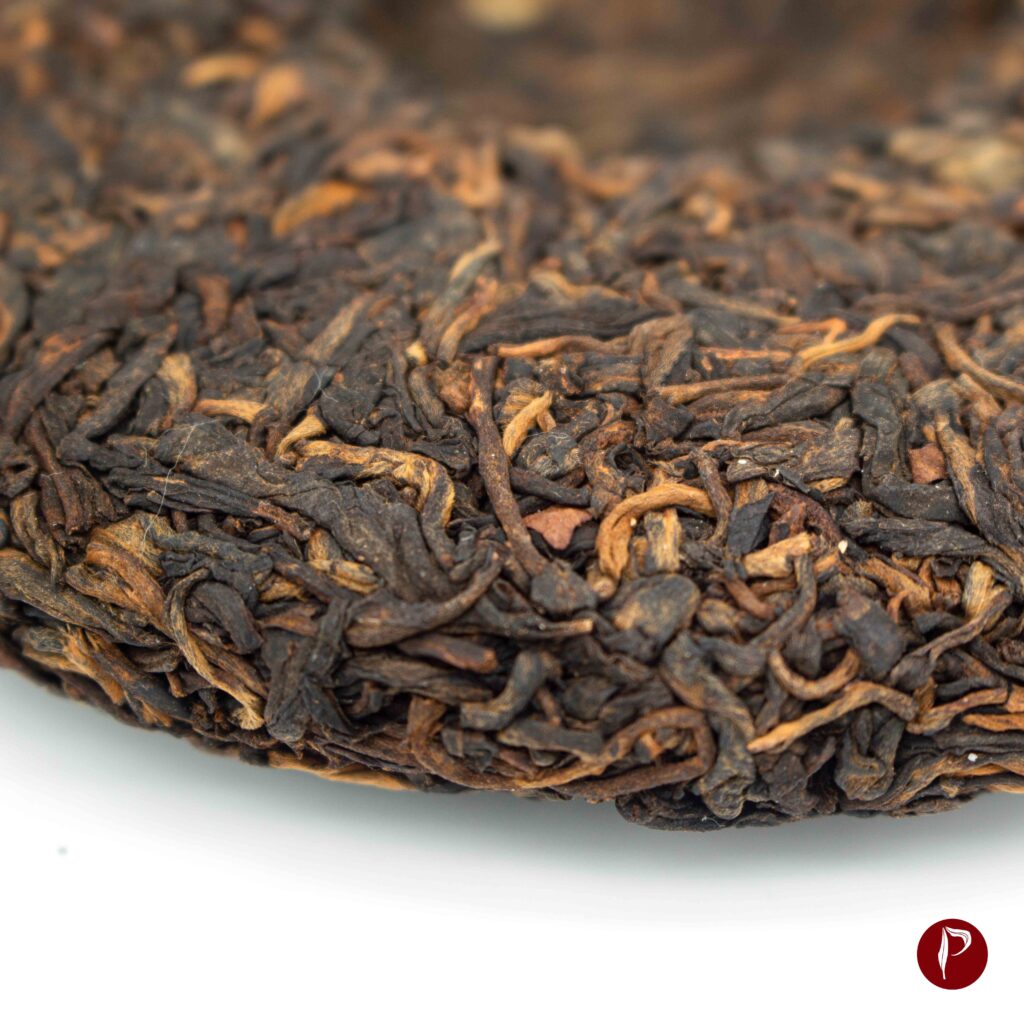
For example, Tea Spirit Ripe Puerh is crafted from a thoughtful blend of spring and autumn leaves, offering excellent value, floral-fruity notes, and a well-rounded drinking experience.
Final Thoughts
Springtime tea represents renewal, balance, and vitality. It is the season when tea trees give their purest expression, and when skilled craftsmanship can transform nature’s gift into something truly memorable.
At Purcraftea, springtime tea is not just a season—it is a standard we choose to uphold, cup after cup.
About Us